
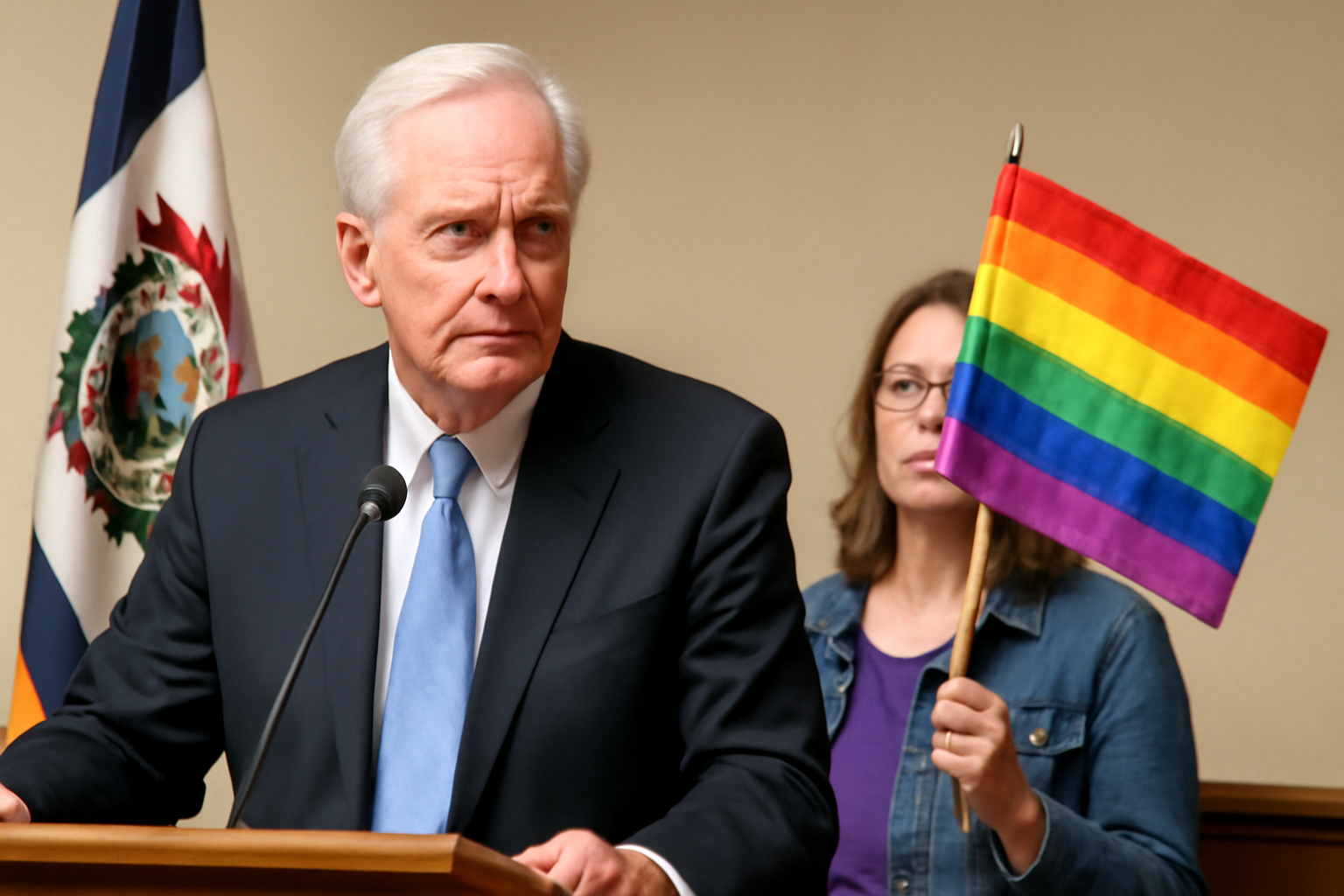
The West Virginia Senate has recently taken a significant step that could have considerable implications for LGBTQ+ protections across the state. On a notable session this past Monday, the Senate gave its approval to a bill that aims to nullify local ordinances designed to protect against discrimination based on sexual orientation and gender identity. This legislative move has stirred considerable debate and concern within both local communities and statewide advocacy groups.
The bill in question, Senate Bill 579, was passed with a significant majority, garnering a 25-8 vote in its favor. This development means that the bill will now proceed to the West Virginia House of Delegates for further consideration and potential enactment into law. The passage of this bill has been met with mixed reactions, reflecting the varied opinions on the role of local versus state governance in protecting minority rights.
Since 2016, approximately 20 cities within West Virginia have taken proactive steps to ensure inclusivity and protection for their LGBTQ+ residents by adopting ordinances that explicitly prohibit discrimination based on sexual orientation and gender identity. These local measures have been seen as critical tools in fostering safe and welcoming communities for all residents, particularly those from marginalized groups.
One of the most vocal oppositions to this Senate bill has come from grassroots organizations and advocacy groups that are deeply invested in maintaining and expanding these local protections. Justice Hudson, a representative from the Friendlier City Project, an LGBTQ rights group based in Wheeling, WV, expressed their concerns and frustrations in response to the bill's advancement. "We are an LGBTQ nonprofit organization set up to, you know, make this city called the Friendly City, make it a friendlier city, make sure it lives up to that promise," Hudson shared in a televised interview. "So, we’re really, you know, looking at this bill and fighting against it."
Hudson further highlighted a critical aspect of the debate, emphasizing the importance of local governance and the ability of city leaders to cater to the specific needs of their constituents. "At the same time, though, I think we should also note that it is stripping cities of their power. And like I said earlier, you know, city leaders know their citizens best," Hudson added. This sentiment underscores a broader discourse on the balance of power between state and local governments, particularly when it comes to safeguarding civil rights.
The argument posited by supporters of Senate Bill 579 centers around the notion of creating a uniform standard across the state, arguing that a single, state-level policy may eliminate confusion and potential conflicts between differing local ordinances. Proponents suggest that such a move could streamline governance and ensure consistency in legal frameworks. However, opponents argue that this approach might overlook the unique cultural and social dynamics of individual communities, potentially leading to a dilution of protections that have been tailored to local contexts.
The bill's progression comes at a time when LGBTQ+ rights and protections are a focal point of national discourse, reflecting broader societal debates on equality, identity, and the role of government in ensuring fairness and justice for all citizens. As the West Virginia House of Delegates prepares to deliberate on Senate Bill 579, advocacy groups, community leaders, and concerned citizens are mobilizing efforts to either support or oppose the legislation, with many viewing it as a pivotal moment in the fight for LGBTQ+ rights in the state.
As this legislative process unfolds, it is crucial for residents and stakeholders to remain informed and engaged. The outcome of this bill could have lasting implications for how discrimination is addressed at both state and local levels, influencing the everyday lives of countless West Virginians. Whether through public forums, contacting legislative representatives, or participating in advocacy initiatives, the voices of individuals and communities will play a vital role in shaping the future of LGBTQ+ protections in West Virginia.
In conclusion, the West Virginia Senate's approval of Senate Bill 579 marks a critical juncture in the ongoing dialogue about the rights of LGBTQ+ individuals and the power dynamics between state and local governments. As the bill moves to the House of Delegates, the spotlight remains on West Virginia to see how it navigates these complex issues of inclusivity, governance, and civil rights.
Related Posts
Supreme Court to Address State Bans on Trans Women in Female Sports
The upcoming U.S. Supreme Court term promises to be a pivotal moment for transgender rights, as the nation's highest court has agreed to evaluate whether states have the authority to prohibit transgender women from participating in female sports competitions. This case, scheduled to be argued in the next term beginning October, is expected to have a significant impact on the future of sports inclu [...]
Megan Rapinoe and Sue Bird Announce Amicable Separation After Ten Years Together
In a heartfelt announcement that resonated deeply within the sports and LGBTQ+ communities, soccer star Megan Rapinoe and basketball legend Sue Bird have revealed their decision to part ways after nearly a decade together. The couple, who have been icons both on and off the field, shared the news with their fans through a joint statement on social media, expressing that the choice was made with mu [...]
Groundbreaking Ruling Ends Sodomy Ban for Police and Military in the Dominican Republic
The Constitutional Court of the Dominican Republic recently delivered a landmark decision on November 18th, ruling that the nation’s police and armed forces are not permitted to criminalize consensual same-sex relations among their personnel. This pivotal ruling is a significant stride towards equality and the protection of LGBTQ+ rights within these institutions. A Resounding Victory for Equal [...]