
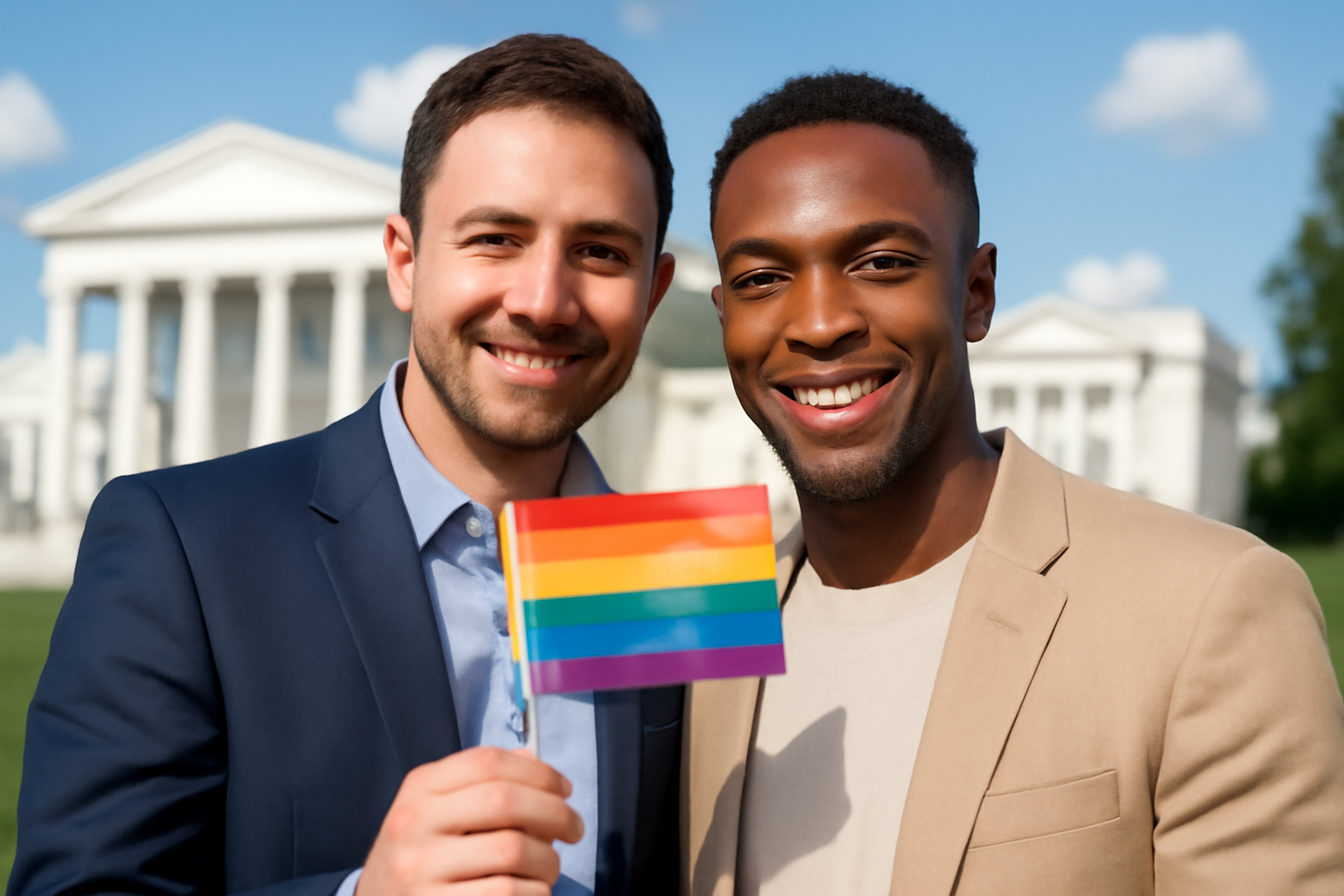
The 2025 legislative session of the Virginia General Assembly has concluded, leaving two significant LGBTQ rights bills awaiting the decision of Republican Governor Glenn Youngkin.
The first of these groundbreaking bills proposes a crucial amendment to Virginia's definition of marriage. Known as SJ 249, or the Constitutional Amendment; Marriage between Two Adult Persons, this bill seeks to transform the state's understanding of marriage from the traditional "union between one man and one woman" to a more inclusive "marriage between two adult persons." This change aligns with the spirit and ruling of the 2015 U.S. Supreme Court decision in Obergefell v. Hodges, which recognized marriage rights for same-sex couples nationwide.
This proposed amendment is not just a matter of legal conformity but a step towards safeguarding the marriage rights of same-sex couples within Virginia. By embedding these rights into the state's constitution, it ensures that any future changes to marriage laws would require either another constitutional amendment or a legislative act approved by the majority of state lawmakers. Consequently, even if the Obergefell decision were to be overturned at the federal level, same-sex couples in Virginia would retain their legal rights, including crucial aspects such as tax benefits, inheritance rights, and Social Security benefits.
However, the journey to enshrining this amendment is not immediate. For it to take full effect, the amendment must be approved once more by the legislature in 2026. Following this, it would be subject to a public referendum, allowing Virginia's population to voice their opinion on this significant step forward in LGBTQ rights.
The second pivotal piece of legislation passed by the General Assembly focuses on expanding the scope of the Virginia Human Rights Act. Currently, employees benefit from protections against discrimination, harassment, and retaliation based on a variety of protected categories, including race, color, religion, national origin, sex, pregnancy, childbirth, related medical conditions, age, marital status, or disability. However, these protections have been limited to businesses employing 15 or more individuals, mirroring federal law.
Senate Bill 1052, titled the Virginia Human Rights Act; Definition of ‘Employer,’ aims to dismantle what has been perceived as a "small business exception." This bill extends human rights protections to employees working in businesses with as few as five workers. By doing so, it ensures that a larger segment of Virginia’s workforce is protected under the Virginia Human Rights Act, and it empowers employees of smaller businesses to file complaints and hold employers accountable for any potential human rights violations.
Both of these legislative measures represent significant advances in the protection and recognition of LGBTQ rights within Virginia. They reflect a growing acknowledgment of the importance of equality and fairness in the workplace and society at large.
Governor Youngkin faces a crucial decision, as he has until March 24 to propose any amendments to these bills or sign them into law. The impact of his decision will resonate throughout Virginia, affecting the lives of many individuals and setting a precedent for future legislative efforts in the state.
As these bills await the Governor's approval, they stand as a testament to the ongoing struggle for equality and the efforts of lawmakers committed to advancing the rights of the LGBTQ community. The passage of these bills by the General Assembly marks an important chapter in Virginia’s legislative history, highlighting a progressive shift towards greater inclusivity and protection under the law.
The outcome of this legislative session underscores the importance of civic engagement and advocacy in shaping policies that reflect the values of dignity, respect, and equality for all individuals, regardless of their sexual orientation or gender identity.
Related Posts
Supreme Court to Address State Bans on Trans Women in Female Sports
The upcoming U.S. Supreme Court term promises to be a pivotal moment for transgender rights, as the nation's highest court has agreed to evaluate whether states have the authority to prohibit transgender women from participating in female sports competitions. This case, scheduled to be argued in the next term beginning October, is expected to have a significant impact on the future of sports inclu [...]
Megan Rapinoe and Sue Bird Announce Amicable Separation After Ten Years Together
In a heartfelt announcement that resonated deeply within the sports and LGBTQ+ communities, soccer star Megan Rapinoe and basketball legend Sue Bird have revealed their decision to part ways after nearly a decade together. The couple, who have been icons both on and off the field, shared the news with their fans through a joint statement on social media, expressing that the choice was made with mu [...]
Groundbreaking Ruling Ends Sodomy Ban for Police and Military in the Dominican Republic
The Constitutional Court of the Dominican Republic recently delivered a landmark decision on November 18th, ruling that the nation’s police and armed forces are not permitted to criminalize consensual same-sex relations among their personnel. This pivotal ruling is a significant stride towards equality and the protection of LGBTQ+ rights within these institutions. A Resounding Victory for Equal [...]