
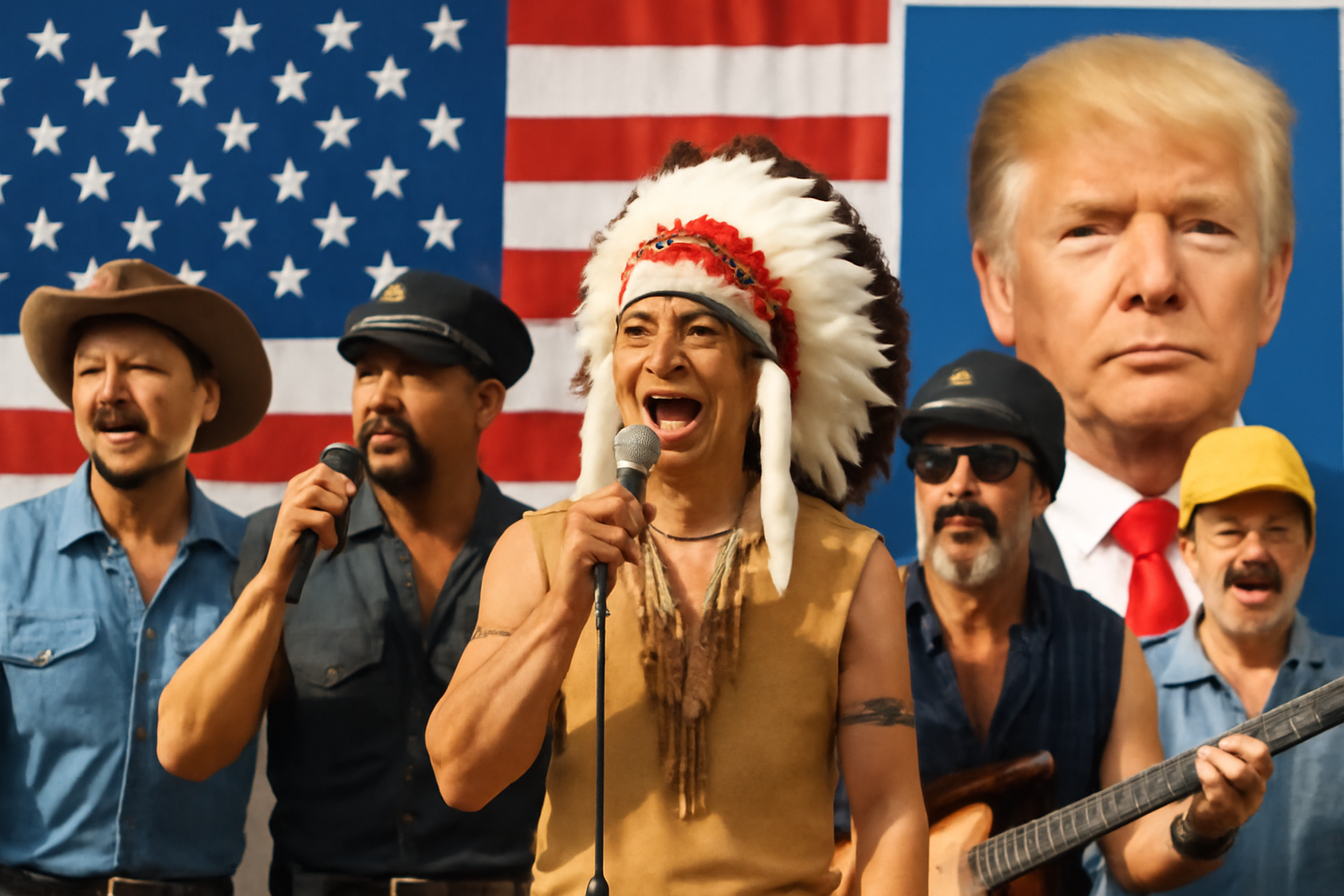
Performing at Trump inauguration: A bold move
So, as Trump was gearing up his presidency, there were our Village People performing at one inauguration ball. It was a bold move that put them in line with a few other artists who dared tread those waters. The group's lead singer, Victor Willis, tried putting it in perspective, saying, "We know this won't make some people happy. But music should rise above politics." He believes music should act as a bridge in times like these, after such a polarizing election campaign. People weren't just upset about their performance—they were also riled up about Trump using "Y.M.C.A" at campaign rallies. Suddenly, everyone was talking about what that song really means and where it came from.Fans vent and communities react
Needlessly saying, many fans didn't take kindly at all. When songs like "Y.M.C.A" become anthems in queer spaces, such a performance feels like a slap in their face. One fan even took it online, venting, “Without us in LGBTQ circles, where would they even be?” Critics quickly pointed out how ironic all this seemed, considering that queer culture was so vital in shaping who they are. With Willis being straight and, incidentally, also being now their only original member, well, it just adds layers onto this controversy cake.How it all started: The birth story
Rewind a bit, and you'll find that French producers Jacques Morali and Henri Belolo are behind it all. They saw a chance in breaking through in America, and with Victor Willis doing background vocals, a star was born. Morali had a knack, predicting their success would soar—and it certainly did. Their name? A nod, quite rightly, towards New York's Greenwich Village, known far and wide as a haven buzzing with LGBTQ+ life and flair. It indeed helped shape their identity and resonance.The enduring "Y.M.C.A" debate
"Y.M.C.A" finds its home in gay clubs and has long been embraced by LGBTQ+ folks. It fits, given how woven they are with queer culture, and somehow, it became theirs over time. Yet Willis doesn't see it like that. He insists it never was a “gay anthem.” To him, its lyrics were more about his own observances around YMCA spaces in San Francisco. “‘Hang out with all boys',” he argues, was simply 1970s black talk." What we see here isn't just an argument over a song—it taps right onto discussions about how music, cultures, and personal identities collide.Artists navigating tricky waters
The Village People weren't on this tricky solo journey; other artists found themselves under similar scrutiny. Carrie Underwood, Nelly, Jason Aldean, Billy Ray Cyrus, and Kid Rock—each faced their share when they opted in on those inauguration festivities too. Underwood spoke about unity and her privilege in partaking, despite all flak directed her away. It paints quite a picture, mixing entertainment with politics, where who you sing or stand with matters more than ever. In wrapping up, what we see here goes beyond just a performance at Trump events. It makes us question artists' roles when politics play out and what their audiences, especially those who've long cherished them, feel about such stages and choices.Related Posts
Supreme Court to Address State Bans on Trans Women in Female Sports
The upcoming U.S. Supreme Court term promises to be a pivotal moment for transgender rights, as the nation's highest court has agreed to evaluate whether states have the authority to prohibit transgender women from participating in female sports competitions. This case, scheduled to be argued in the next term beginning October, is expected to have a significant impact on the future of sports inclu [...]
Megan Rapinoe and Sue Bird Announce Amicable Separation After Ten Years Together
In a heartfelt announcement that resonated deeply within the sports and LGBTQ+ communities, soccer star Megan Rapinoe and basketball legend Sue Bird have revealed their decision to part ways after nearly a decade together. The couple, who have been icons both on and off the field, shared the news with their fans through a joint statement on social media, expressing that the choice was made with mu [...]
Groundbreaking Ruling Ends Sodomy Ban for Police and Military in the Dominican Republic
The Constitutional Court of the Dominican Republic recently delivered a landmark decision on November 18th, ruling that the nation’s police and armed forces are not permitted to criminalize consensual same-sex relations among their personnel. This pivotal ruling is a significant stride towards equality and the protection of LGBTQ+ rights within these institutions. A Resounding Victory for Equal [...]