
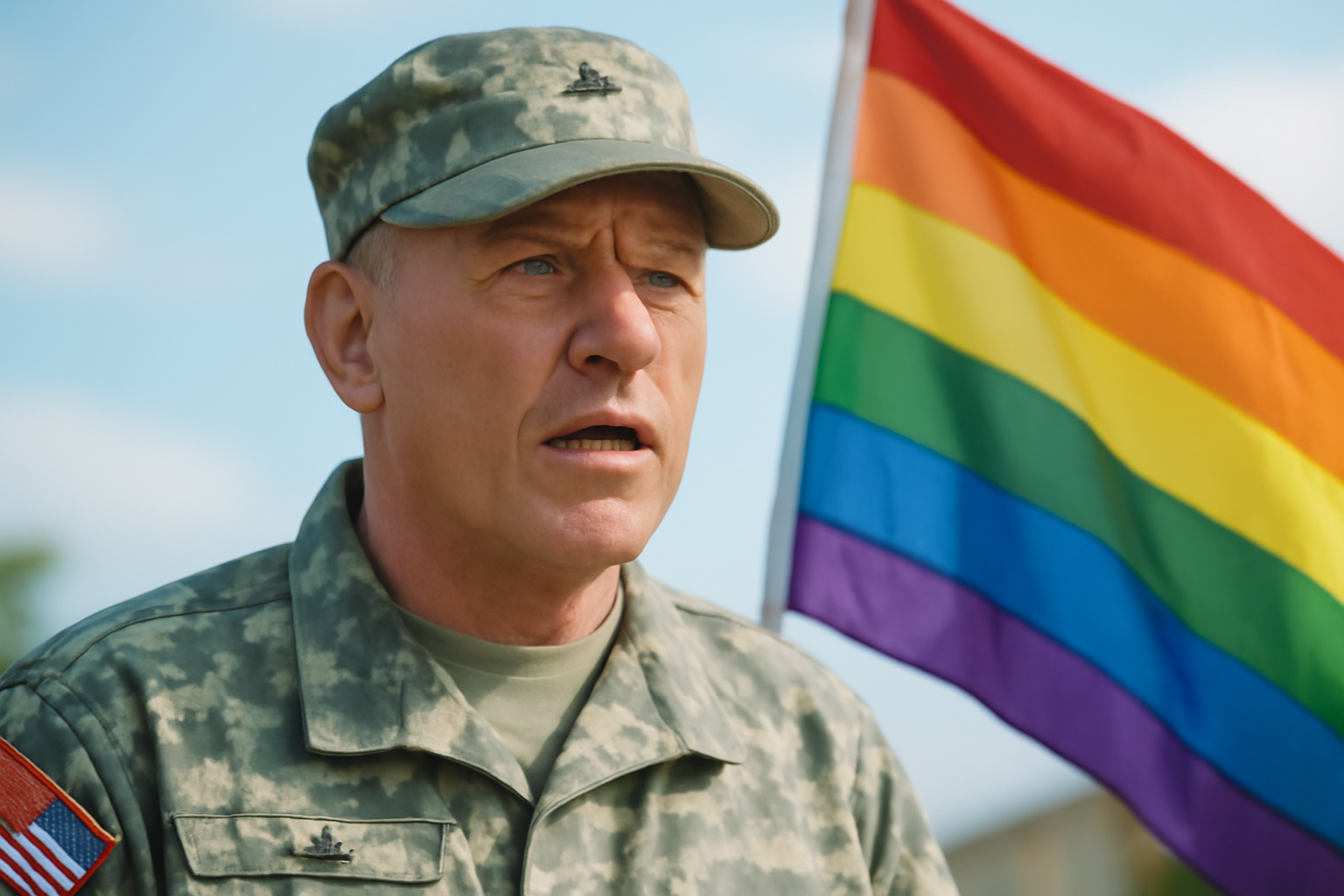
In a controversial move, a new policy has been enacted to ban transgender individuals from serving in the military. This decision has sparked widespread criticism not only for its discriminatory nature but also for the potential impact on military readiness during a time when recruitment numbers are already alarmingly low.
The policy, issued by the current administration, has mandated a 60-day period for implementation, raising concerns about its implications for those willing and able to serve. Critics argue that the ban is not only unjust but could further exacerbate recruitment challenges.
The Reality of Military Recruitment
Despite the policy, the reality remains that cisgender men are not enlisting in the numbers needed to sustain the military's operational readiness. Instead, there is a notable willingness among women and LGBTQ+ individuals to take on these roles.
Veteran Jos Joseph, who served as part of the 1st Marine Division staff, has spoken out about these issues based on personal experience. During his service years, he witnessed the military's exclusion of capable LGBTQ+ servicemembers, a practice he found "baffling" as recruitment struggled to meet demands during the Iraq conflict.
Joseph recalls, "We were desperate for recruits, yet those ready to serve were being turned away due to outdated policies. It was clear then, as it is now, that many who claim patriotism are hesitant when it comes to serving."
Lessons from History
The Vietnam War era provides a historical precedent for understanding current challenges. Initially reliant on conscription, the military transitioned to an all-volunteer force after recognizing that many men did not volunteer willingly. This led to the creation of incentives such as education benefits and healthcare to attract recruits.
In the wake of the conflicts in Afghanistan and Iraq, a similar pattern emerged. Women began filling non-combat roles and eventually combat positions due to necessity, proving their capability and challenging traditional gender roles.
"The military learned two key lessons," Joseph notes. "First, women excelled in combat roles. Second, the LGBTQ+ community was eager to serve where others hesitated."
Rethinking Strength and Patriotism
There is a growing recognition that traditional notions of masculinity and patriotism may not align with the realities of military service today. As male enlistment declines, experts suggest a broader "crisis of masculinity" could be contributing to the recruitment challenges.
Ronald Levant, a psychologist, points out that young men are experiencing a change in motivation and engagement, which extends beyond military recruitment. Katherine Kuzminski adds that military service tests individuals in ways that commercialized displays of strength do not.
"The challenge now is to embrace diversity within the ranks," says Joseph. "If the military wants to maintain its readiness, it must rely on those willing to serve, irrespective of gender or sexual orientation."
The Path Forward
As the military navigates this period of transition, the need for an inclusive approach becomes increasingly apparent. Embracing diversity not only strengthens the force but also aligns with the core values of service and honor.
Joseph concludes, "Real patriotism is about action, not appearance. It's time to recognize the contributions of all who are ready to serve and ensure that outdated biases do not hinder our military's future."
As these debates continue, the hope is that policies will adapt to reflect the diverse capabilities and dedication of all potential servicemembers, ensuring a robust and inclusive military for the future.
Related Posts
Supreme Court to Address State Bans on Trans Women in Female Sports
The upcoming U.S. Supreme Court term promises to be a pivotal moment for transgender rights, as the nation's highest court has agreed to evaluate whether states have the authority to prohibit transgender women from participating in female sports competitions. This case, scheduled to be argued in the next term beginning October, is expected to have a significant impact on the future of sports inclu [...]
Megan Rapinoe and Sue Bird Announce Amicable Separation After Ten Years Together
In a heartfelt announcement that resonated deeply within the sports and LGBTQ+ communities, soccer star Megan Rapinoe and basketball legend Sue Bird have revealed their decision to part ways after nearly a decade together. The couple, who have been icons both on and off the field, shared the news with their fans through a joint statement on social media, expressing that the choice was made with mu [...]
Groundbreaking Ruling Ends Sodomy Ban for Police and Military in the Dominican Republic
The Constitutional Court of the Dominican Republic recently delivered a landmark decision on November 18th, ruling that the nation’s police and armed forces are not permitted to criminalize consensual same-sex relations among their personnel. This pivotal ruling is a significant stride towards equality and the protection of LGBTQ+ rights within these institutions. A Resounding Victory for Equal [...]