
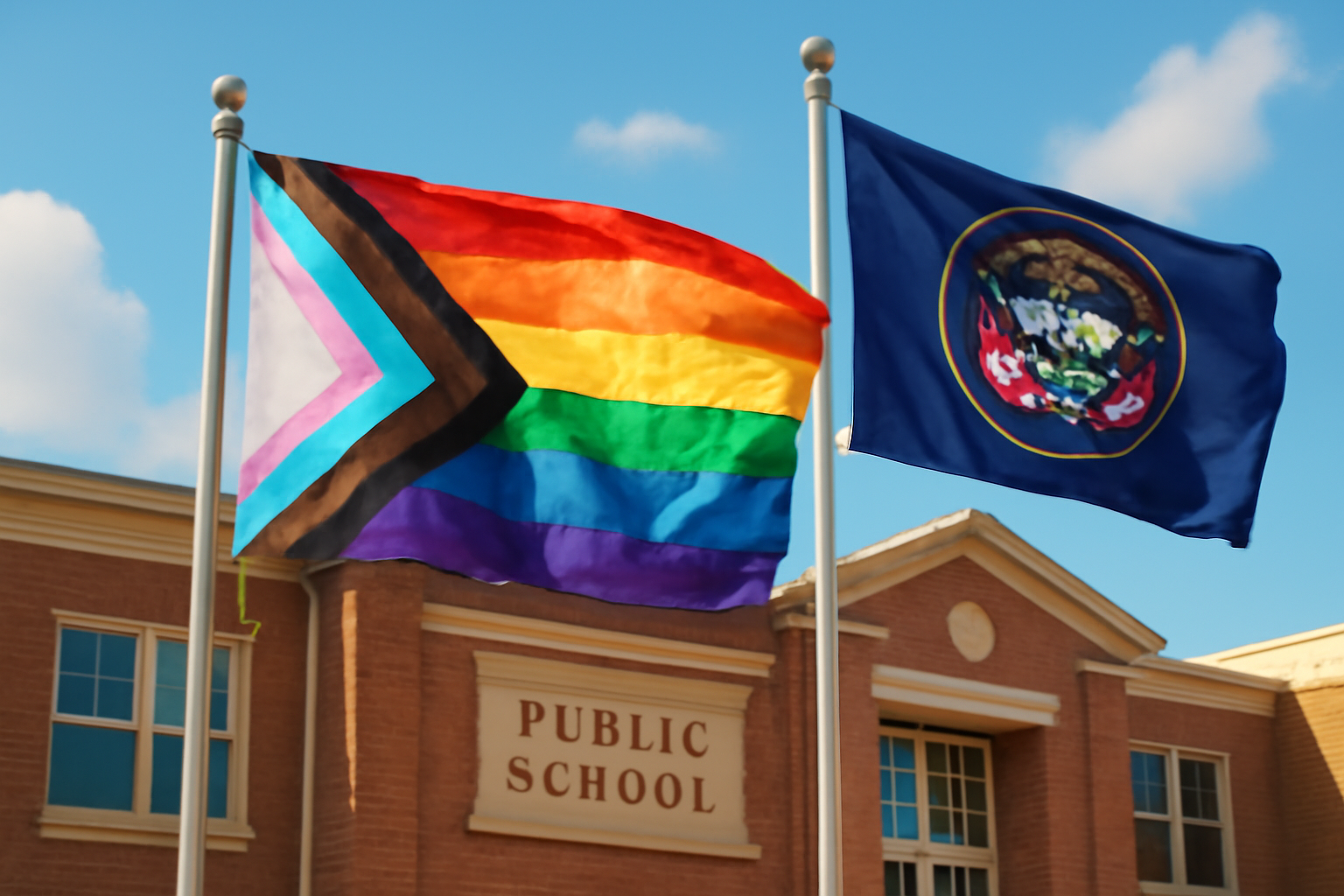
In a move that has sparked widespread discussion and debate, Utah has implemented a new policy that restricts the display of flags at public schools and government buildings. This policy has been interpreted by many as a ban on flags representing various social causes, including the Pride flag, which is a symbol of LGBTQ+ identity and community.
This decision has been met with varied reactions from different quarters. Supporters of the policy argue that it is a measure intended to maintain neutrality in public spaces and prevent the promotion of specific agendas within government institutions. However, critics see it as a targeted move that disproportionately affects marginalized communities and stifles expressions of identity and support.
Background and Implementation
The policy was introduced by Utah state officials and applies to all public schools and government buildings within the state. It specifically dictates that only the national flag, state flag, and flags representing governmental functions and events are permitted to be flown on these premises. The policy was put into effect following a series of meetings and discussions among state legislators and education administrators.
Officials defending the policy have stated that the objective is to ensure that public institutions remain spaces that represent all citizens equally, without favoring any particular group or cause. They argue that such a stance is necessary to maintain focus on educational and governmental responsibilities without external influences.
Reactions and Implications
The decision has received significant backlash from activists and advocacy groups, particularly those representing LGBTQ+ communities. They argue that the policy effectively erases an important symbol of inclusion and diversity from public view, which can be detrimental to the visibility and acceptance of LGBTQ+ individuals.
"Flags like the Pride flag are more than just symbols; they represent community, acceptance, and the ongoing fight for equal rights," said one advocate from a local LGBTQ+ organization. "By banning these symbols, the state is sending a message that these values are not welcome in public spaces, and that is deeply concerning."
In response to the policy, some schools and local government bodies are seeking ways to continue supporting diverse communities through alternative means, such as inclusive programs, discussions, and events that celebrate diversity and promote understanding.
Legal and Social Considerations
The legal implications of Utah's flag policy are also being scrutinized. Some experts have raised questions about the potential challenges this decision could face in courts, especially regarding freedom of speech and expression. The intersection of government policy and individual rights is a complex legal area, and how this new policy will be navigated remains to be seen.
Socially, the policy has reignited discussions about the role of symbols in public spaces and how societal values are reflected in government decisions. While some see this as a necessary step to ensure neutrality, others view it as a regression in the progress made towards inclusivity and representation.
Looking Forward
As the policy rolls out, many eyes will be on Utah to observe the effects of this decision. Will it prompt similar actions in other states, or will it face significant pushback leading to revisions or repeal? The discourse continues as communities, policymakers, and legal experts weigh the implications of such actions.
Meanwhile, supporters of the LGBTQ+ community continue to advocate for the visibility and rights of all individuals, emphasizing the importance of symbols like the Pride flag in promoting a society that accepts and celebrates diversity. They argue that visibility in public spaces is crucial for the ongoing struggle for equality and inclusion.
As the situation develops, it serves as a reminder of the ongoing conversation about identity, representation, and the role of government in recognizing and supporting diverse communities. The outcome of this policy, both in its immediate impact and long-term effects, will likely influence the national conversation on these important issues.
For now, the discussion continues, as stakeholders from all sides seek to find common ground in a complex socio-political landscape.
Related Posts
Supreme Court to Address State Bans on Trans Women in Female Sports
The upcoming U.S. Supreme Court term promises to be a pivotal moment for transgender rights, as the nation's highest court has agreed to evaluate whether states have the authority to prohibit transgender women from participating in female sports competitions. This case, scheduled to be argued in the next term beginning October, is expected to have a significant impact on the future of sports inclu [...]
Megan Rapinoe and Sue Bird Announce Amicable Separation After Ten Years Together
In a heartfelt announcement that resonated deeply within the sports and LGBTQ+ communities, soccer star Megan Rapinoe and basketball legend Sue Bird have revealed their decision to part ways after nearly a decade together. The couple, who have been icons both on and off the field, shared the news with their fans through a joint statement on social media, expressing that the choice was made with mu [...]
Groundbreaking Ruling Ends Sodomy Ban for Police and Military in the Dominican Republic
The Constitutional Court of the Dominican Republic recently delivered a landmark decision on November 18th, ruling that the nation’s police and armed forces are not permitted to criminalize consensual same-sex relations among their personnel. This pivotal ruling is a significant stride towards equality and the protection of LGBTQ+ rights within these institutions. A Resounding Victory for Equal [...]