
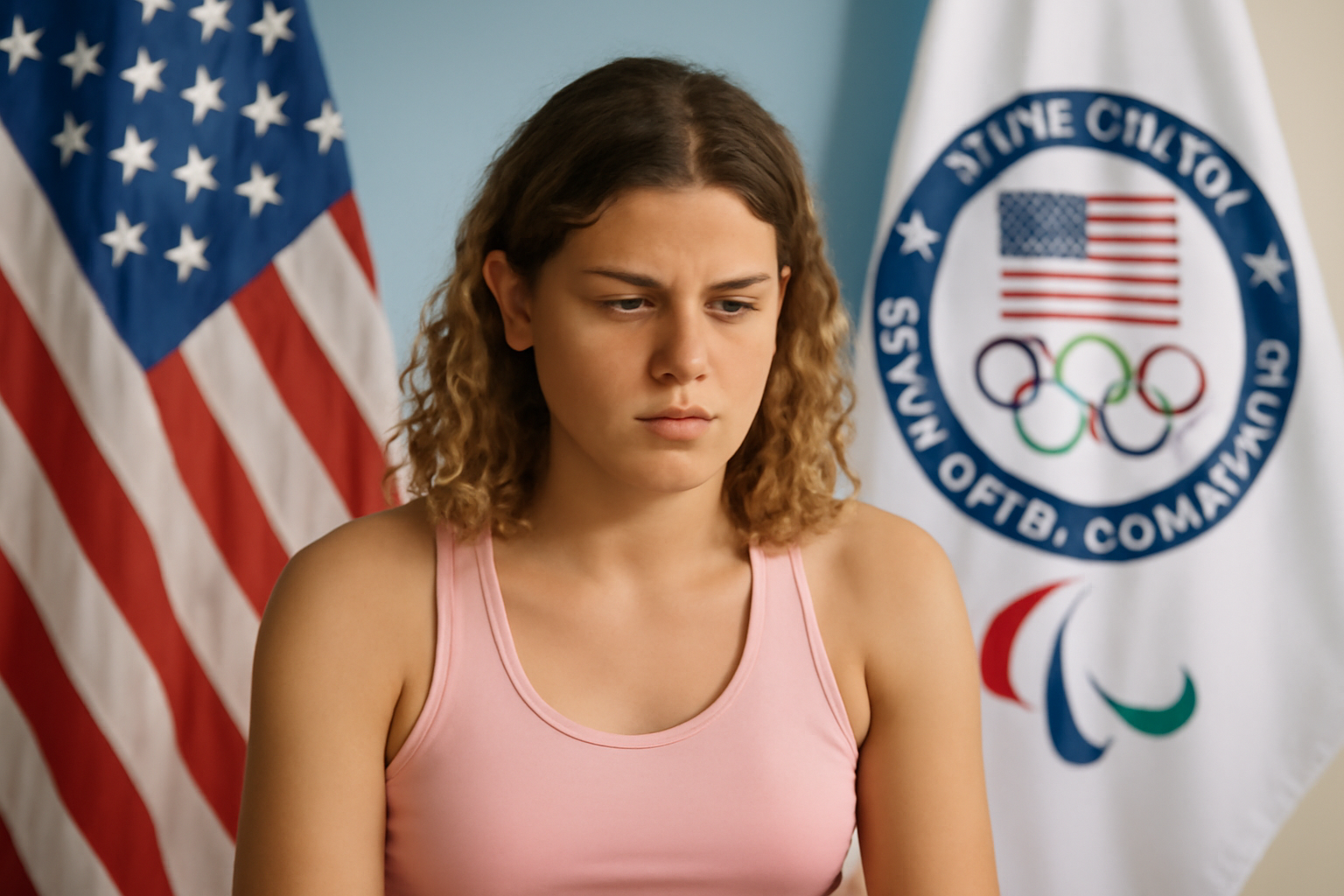
The United States Olympic and Paralympic Committee (USOPC) has caused quite a stir by deciding that transgender women can no longer compete in female sports categories. This decision feels like a turning point in an ongoing debate that's all about making sure everyone gets a fair shot on and off-field. While some view this as a step backward in terms and equal opportunities, it certainly raises some big questions about creating a fair and inclusive athletic environment.
The USOPC released a statement online, mentioning their commitment toward providing opportunities while ensuring competitive fairness and safety. They noted their alignment with a couple key federal directives—the Executive Order 14201 and Ted Stevens Olympic & Amateur Sports Act—that help shape their policy decisions.
Changing tides in sports policies
The USOPC's action seems part and parcel with a broader shift in sports policies driven by political and executive actions. Not too long ago, even organizations like NCAA changed their stance, keeping transgender women out from female sports categories. Other national governing bodies are following suit as well.
Recently, USA Fencing also imposed a ban when a situation arose involving a female competitor who didn't want compete against a transgender athlete. This has fueled more discussion about whether allowing transgender women in female sports upholds competitive fairness and safety.
Different strokes in different states
While many national organizations appear set on a path towards exclusion, states like California and Maine stand firm in supporting transgender women's participation in female sports. They see inclusivity as essential in honoring transgender athletes' dignity and rights.
USOPC heads, including CEO Sarah Hirshland and President Gene Sykes, have clarified that these policy shifts are more about meeting federal expectations rather than a strict organizational preference. They aim at keeping fairness and safety in women's sports policies balanced, and all national governing bodies are expected update their policies accordingly.
How trans athletes are affected
Even with these new restrictions, not all transgender athletes face exclusion. Take Nikki Hiltz, a transgender nonbinary athlete assigned female at birth—they can still compete in female categories. The policy mainly focuses on transgender women assigned male at birth seeking entry in women's sports.
Globally, similar bans are popping up. For instance, World Aquatics has barred transgender women from competing in female categories, citing issues with competitive equity. This notably impacted athletes like Lia Thomas, a former University Pennsylvania swimmer whose performance sparked heated debate and ensuing policy changes.
Legal battles and what lies ahead
The subject's become a legal hotbed, with The Supreme Court preparing dive in during their upcoming session. Their ruling might carry substantial weight, influencing future Olympic events, like 2028 Summer Olympics in LA. Legal experts predict that their decision could either cement or question current restrictions on transgender athletes.
As debates rage on, voices from transgender athletes, allies, and advocates continue playing critical roles in shaping sports' future. The balancing act between fairness, inclusivity, and transgender rights remains central issue sports organizations across globe.
To keep up with these developments, why not subscribe our newsletter? Receive updates on your favorite athletes, inspiring stories, and new sports policy shifts that affect LGBTQ+ community.
Tags: transgender athletes in sports, sports policy changes, LGBTQ rights in sports, USOPC decisions, inclusion in athletics
Related Posts
Supreme Court to Address State Bans on Trans Women in Female Sports
The upcoming U.S. Supreme Court term promises to be a pivotal moment for transgender rights, as the nation's highest court has agreed to evaluate whether states have the authority to prohibit transgender women from participating in female sports competitions. This case, scheduled to be argued in the next term beginning October, is expected to have a significant impact on the future of sports inclu [...]
Megan Rapinoe and Sue Bird Announce Amicable Separation After Ten Years Together
In a heartfelt announcement that resonated deeply within the sports and LGBTQ+ communities, soccer star Megan Rapinoe and basketball legend Sue Bird have revealed their decision to part ways after nearly a decade together. The couple, who have been icons both on and off the field, shared the news with their fans through a joint statement on social media, expressing that the choice was made with mu [...]
Groundbreaking Ruling Ends Sodomy Ban for Police and Military in the Dominican Republic
The Constitutional Court of the Dominican Republic recently delivered a landmark decision on November 18th, ruling that the nation’s police and armed forces are not permitted to criminalize consensual same-sex relations among their personnel. This pivotal ruling is a significant stride towards equality and the protection of LGBTQ+ rights within these institutions. A Resounding Victory for Equal [...]