
In recent years, climate disasters have become more frequent and severe, affecting millions of lives and ecosystems around the globe. These natural events, such as wildfires, hurricanes, and floods, are often exacerbated by human activities and climate change. As the world grapples with these challenges, narratives around the causes and responsibilities of such events have also evolved, sometimes in bizarre and unexpected ways.
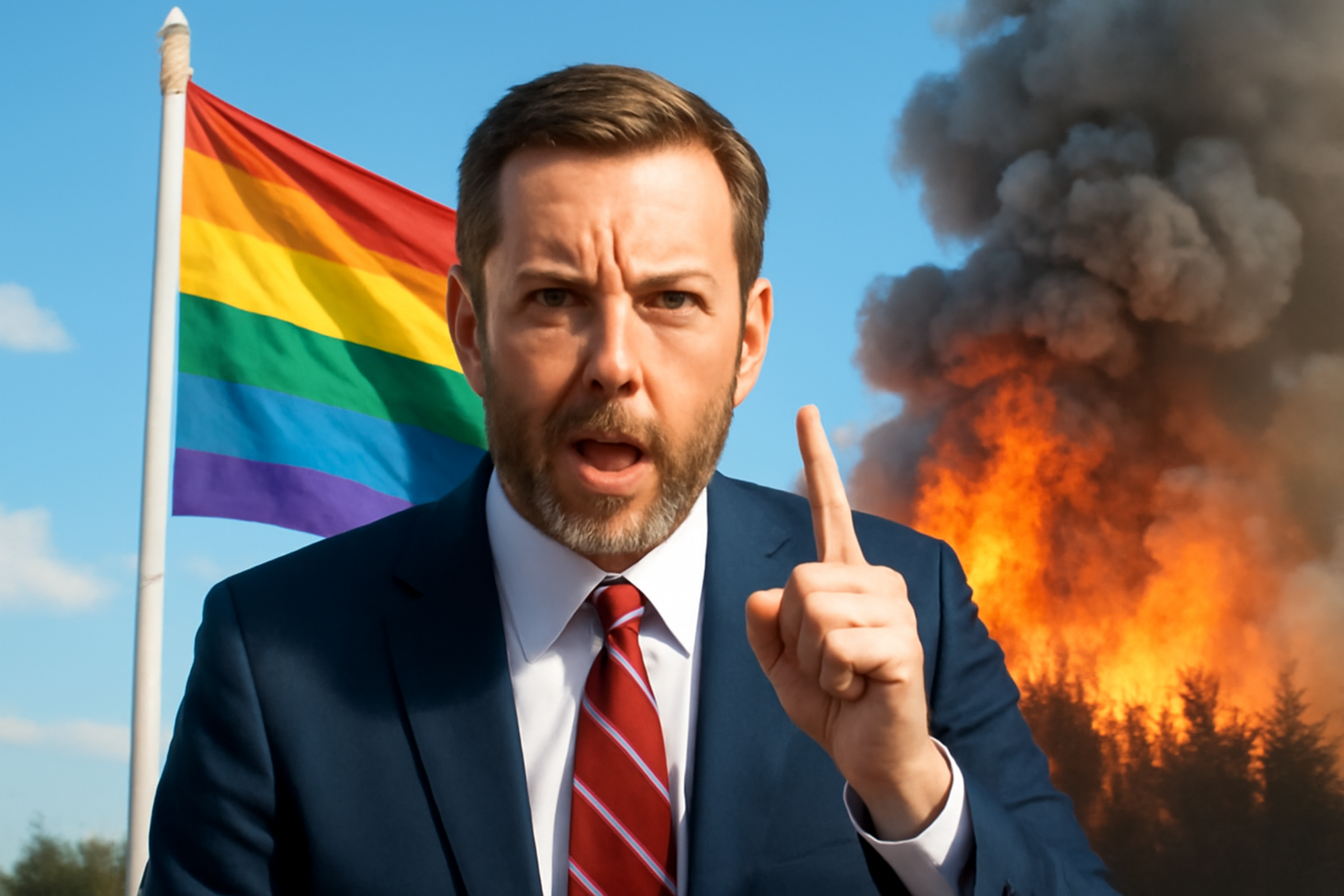
Recently, a narrative emerged within certain conservative circles, attributing the devastating wildfires in Los Angeles to the influence of Diversity, Equity, and Inclusion (DEI) initiatives. This claim, albeit surprising, highlights the complex intersection between political ideologies and environmental issues.
The Role of DEI: A Misplaced Blame
Diversity, Equity, and Inclusion are principles aimed at promoting fairness and representation across various social and organizational contexts. They are primarily focused on addressing systemic inequalities and ensuring that individuals from all backgrounds have equal opportunities and are treated equitably. These principles, however, have no direct correlation to environmental management or the occurrence of natural disasters.
Proponents of this peculiar theory suggest that the implementation of DEI goals within governmental and ecological institutions detracts from the primary focus of effectively managing natural resources and preventing environmental crises. They argue that efforts to diversify leadership and prioritize inclusive policies might lead to less competent management, thereby increasing the risk and impact of wildfires.
However, this perspective overlooks the multifaceted and scientifically established causes of wildfires. Factors such as prolonged droughts, rising temperatures due to climate change, accumulation of dry vegetation, and inadequate forest management play a critical role in the ignition and spread of wildfires. These are complex issues requiring targeted policies and solutions, unrelated to DEI efforts.
Understanding the Real Causes of Wildfires
Scientifically, wildfires are influenced by both natural and anthropogenic factors. Climate change has significantly increased the frequency and severity of wildfires by creating hotter and drier conditions that are more conducive to fires. Human activities, such as deforestation and urban development, further exacerbate these conditions by altering landscapes and ecosystems.
In California, where Los Angeles is located, a combination of dry weather, Santa Ana winds, and a buildup of flammable materials creates a "perfect storm" for wildfires. Moreover, fire suppression strategies over the decades have led to an accumulation of fuel, making the fires that do break out more intense and difficult to control.
The Importance of Accurate Narratives
While it is important to examine and critique all policies and frameworks, attributing the complex phenomenon of wildfires to DEI initiatives detracts from the necessary discourse on climate action and responsible environmental stewardship. It is crucial for media and public discourse to focus on evidence-based solutions and informed policy-making that address the root causes of environmental challenges.
In this context, the role of DEI should be viewed as complementary to environmental strategies, ensuring that diverse voices contribute to and enhance the decision-making processes. Inclusion can lead to more innovative and comprehensive solutions, drawing from a wider pool of perspectives and expertise.
As we continue to face the increasingly dire consequences of climate change, it is imperative that our discussions and actions are grounded in scientific understanding and driven by the collective goal of sustainability and resilience. Misguided attributions and political distractions only serve to undermine these efforts and delay critical interventions needed to protect our planet.
Ultimately, addressing climate change and its impacts requires a collaborative approach that integrates social equity, scientific research, and effective policy implementation. By focusing on these interconnected aspects, we can work towards a future where both our environment and our communities can thrive together.
Related Posts
Supreme Court to Address State Bans on Trans Women in Female Sports
The upcoming U.S. Supreme Court term promises to be a pivotal moment for transgender rights, as the nation's highest court has agreed to evaluate whether states have the authority to prohibit transgender women from participating in female sports competitions. This case, scheduled to be argued in the next term beginning October, is expected to have a significant impact on the future of sports inclu [...]
Megan Rapinoe and Sue Bird Announce Amicable Separation After Ten Years Together
In a heartfelt announcement that resonated deeply within the sports and LGBTQ+ communities, soccer star Megan Rapinoe and basketball legend Sue Bird have revealed their decision to part ways after nearly a decade together. The couple, who have been icons both on and off the field, shared the news with their fans through a joint statement on social media, expressing that the choice was made with mu [...]
Groundbreaking Ruling Ends Sodomy Ban for Police and Military in the Dominican Republic
The Constitutional Court of the Dominican Republic recently delivered a landmark decision on November 18th, ruling that the nation’s police and armed forces are not permitted to criminalize consensual same-sex relations among their personnel. This pivotal ruling is a significant stride towards equality and the protection of LGBTQ+ rights within these institutions. A Resounding Victory for Equal [...]