
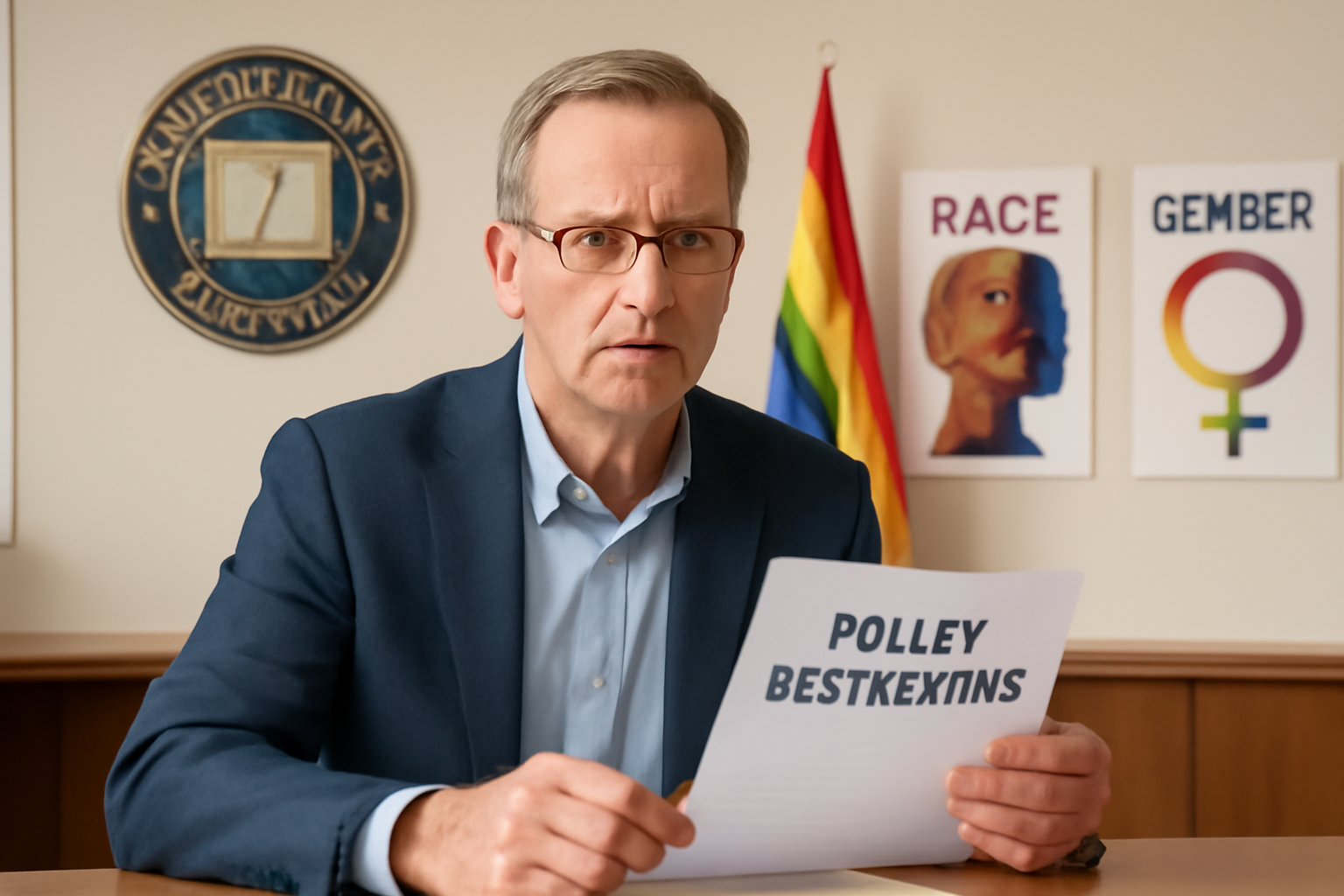
New restrictions test university faculty on teaching content
"Where's that fine line between teaching and advocating?" a faculty member asked during a recent heated Board meeting at a big-name state university. It set off a lively debate over where we draw limits on academic freedom and how we regulate what gets taught.
Controversial policies on race and gender studies
In a move that stirred quite a bit, by requiring campus presidents, they must now sign off on any course content dealing with race and gender studies. This decision has clamped down on how faculty can discuss race, sexual orientation, and gender identity, raising red flags about whether academic freedom takes a backseat.
Central oversight and content monitoring
Now, any class with “race and gender ideology” in its title needs a green light from campus leadership. It's all part and parcel with an attempt at streamlining class material throughout their university branches. While some see this as a push toward consistency, critics are worried that it's a step back from educators' freedom and independence.
If that wasn't enough, there are new rules requiring professors put their syllabi and course plans in a central database. AI will then keep tabs on this info, flag anything that doesn't fit approved standards, and create a virtual watchdog over what gets taught in classrooms.
Student hotline: a double-edged sword?
Alongside these changes, they've also rolled out a 24/7 hotline so students can flag anything in their courses they deem wrong or misleading. But, there's concern this could turn students against teachers, harming open academic discussions and discouraging teachings that make them think beyond their usual viewpoints.
Rising concerns over academic freedom and censorship
Robert Shibley, an advocate keeping an eye on campuses, warns that we may be treading on unlawful censorship territory here, jeopardizing what universities are meant not be about. “If teachers have anxiety about stirring up trouble simply by educating, then they're focusing more on managing risks than spreading knowledge,” Shibley remarked.
Worry sets in that such rules could scare off faculty from delving deep onto tricky subjects, fearing fallout. This could choke off that open-shotgun-of-ideas atmosphere higher learning thrives upon.
Background and unfolding political pressures
The spark that led up this policy overhaul was a student's secret recording a lecture on gender fluidity in kids' literature. The student's personal beliefs stirred up a storm, putting both public and political heat on university heads.
This resulted in a snowball effect, where a professor lost their job, senior staff were demoted, and even saw off a university president who resigned. The Board claimed their hands were untied by politics, but one can't help but side-eye that notion given how things went down.
Impact on academic institutions and future policies
The Chairperson from Regents voicing frustration as they face external handshakes while keeping their values intact. Meanwhile, academics are skeptical about why these rules are happening and are wary about it stifling new ideas.
As universities struggle with weighing academic freedom against accountability, this case shows how dicey it gets when institutional policy butts heads with education goals.
Now, with these policies in place, educators are navigating a tricky new territory where 'education vs. advocacy' feels less clear-cut, raising major questions about how we'll uphold academic freedom and what role our colleges will play going forward.
Related Posts
Supreme Court to Address State Bans on Trans Women in Female Sports
The upcoming U.S. Supreme Court term promises to be a pivotal moment for transgender rights, as the nation's highest court has agreed to evaluate whether states have the authority to prohibit transgender women from participating in female sports competitions. This case, scheduled to be argued in the next term beginning October, is expected to have a significant impact on the future of sports inclu [...]
Megan Rapinoe and Sue Bird Announce Amicable Separation After Ten Years Together
In a heartfelt announcement that resonated deeply within the sports and LGBTQ+ communities, soccer star Megan Rapinoe and basketball legend Sue Bird have revealed their decision to part ways after nearly a decade together. The couple, who have been icons both on and off the field, shared the news with their fans through a joint statement on social media, expressing that the choice was made with mu [...]
Groundbreaking Ruling Ends Sodomy Ban for Police and Military in the Dominican Republic
The Constitutional Court of the Dominican Republic recently delivered a landmark decision on November 18th, ruling that the nation’s police and armed forces are not permitted to criminalize consensual same-sex relations among their personnel. This pivotal ruling is a significant stride towards equality and the protection of LGBTQ+ rights within these institutions. A Resounding Victory for Equal [...]