
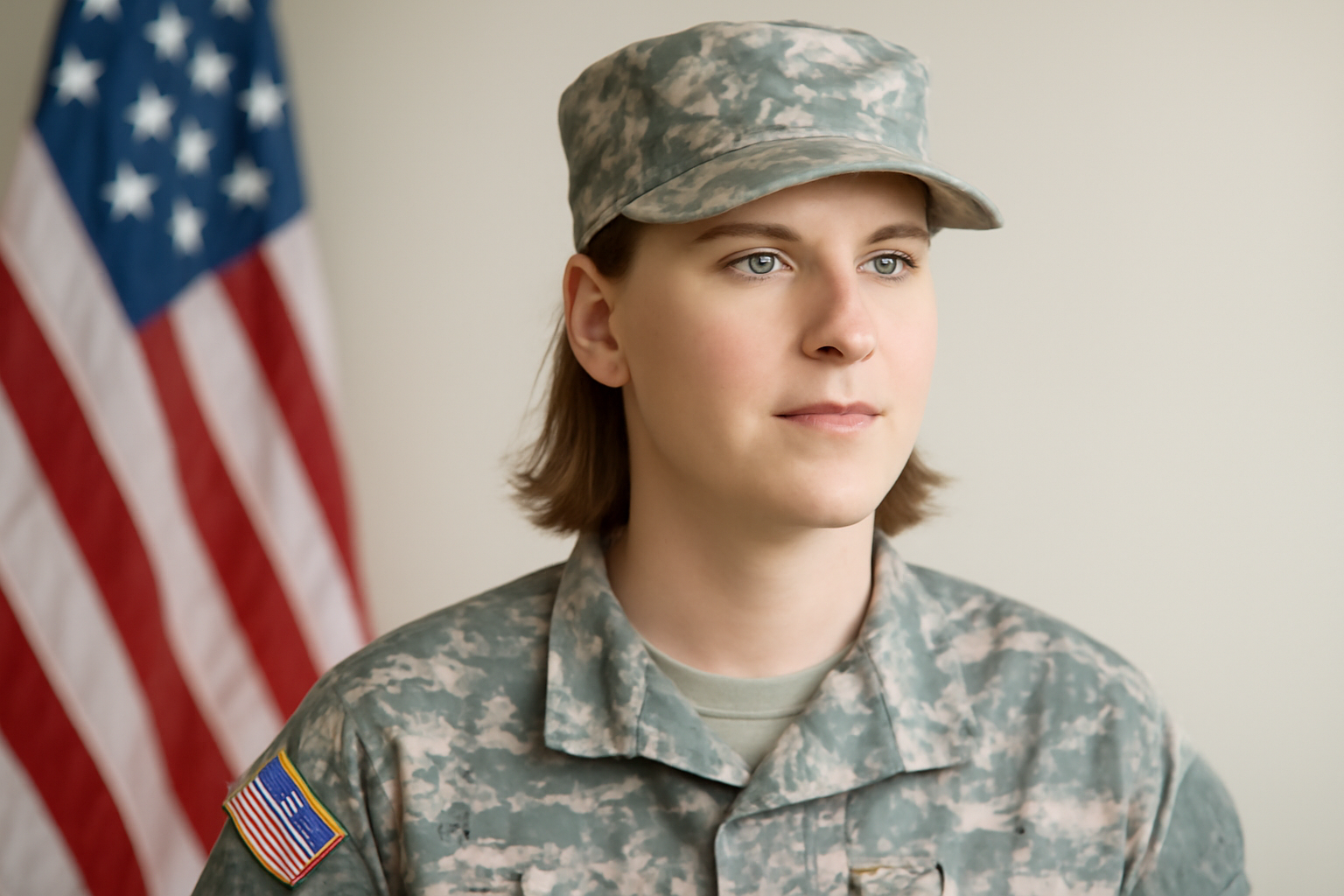
The debate about whether transgender individuals should be allowed open service in our military reflects much larger societal discussions about inclusion, rights, and equality. Military policies on transgender service members have shifted with different administrations, spotlighting ongoing conversations regarding LGBTQ+ rights within our armed forces.
the evolution on transgender military service
Back in 2016, a groundbreaking policy change by The U.S. Department Department lifted its ban on transgender individuals serving openly. For many LGBTQ+ rights supporters, this was a huge win. Finally, a step toward ending discrimination in military service.
But just a year later, a new administration moved in and announced a rollback on this progress, citing concerns over medical costs and possible disruptions it might cause. This set off a wave legal and political battles, sparking several lawsuits challenging this proposed ban on transgender service members.
arguments on both sides
Those who supported reinstating a ban argued that having transgender service members could raise medical costs and negatively affect military readiness. Concerns over team cohesion and deployment capabilities were significant talking points.
On other hand, opponents, including a number veterans and military leaders, saw this as pure discrimination without a leg, factually speaking, stand on. They highlighted how transgender individuals have served with honor and pride. Plus, they argued medical costs involved are a drop in bucket compared with overall military budget.
legal battles and court decisions
Trying reimplement ban triggered a slew lawsuits. Several federal courts stepped up and blocked it, likely violating constitutional rights. Judges emphasized that policies targeting transgender folks need extra scrutiny and a solid justification.
While all this legal back-and-forth was happening, new restrictions rolled out in 2019. These stated that transgender folks had serve under gender they were assigned at birth unless they had completed a military-recognized gender transition.
the human side
With such uncertain, ever-fluctuating policies, transgender service members have felt significant personal and professional impacts. Many are anxious about their future in service, worried about losing their roles due sheerly identity, on top regular military stresses.
Transgender veterans, sharing their stories, stress how essential it letting qualified people serve. For them, capability and commitment should define eligibility, not someone gender identity.
lgbtq+ rights and a bigger picture
This military policy debate fits in a larger dialogue about LGBTQ+ rights and societal inclusion. Military service often mirrors societal values, and allowing transgender individuals serve openly signifies wider recognition transgender rights.
These discussions highlight an urgent need support and understanding transgender folks inside and out military. Advocacy groups keep pushing dignified, respectful treatment all service members.
As things stand now, policy allows transgender individuals serve openly. Military leaders are doubling commitment diversity inclusion. But continued work by LGBTQ+ rights groups stays vital ensure these rights aren't just upheld but enhanced.
where we're headed: full inclusion
The road toward fully including transgender individuals military mirrors broader fight LGBTQ+ rights. It underlines how important it standing against discrimination and promoting policies that recognize dignity and promise every individual, regardless gender identity.
With public attitudes shifting and awareness growing about contributions transgender service members, there's hope. Hope a more inclusive future within military and across society.
Related Posts
Colton Underwood Opens Up About "The Traitors" Reunion Incident
Colton Underwood Addresses "The Traitors" Reunion Incident Colton Underwood, known for his role on "The Bachelor" and his subsequent coming out journey, has recently found himself at the center of speculation regarding his participation in the reality show "The Traitors." Rumors had been circulating about an incident during a reunion special, where it was alleged that Underwood had abruptly left [...]
Mary Trump Suggests a Humorous Name Change for Her Uncle Donald
In recent years, Mary Trump, a clinical psychologist and the openly lesbian niece of former President Donald Trump, has been in the spotlight for her outspoken criticism of her uncle. As both a member of the Trump family and a vocal critic, Mary has often been asked about the burden of carrying the Trump surname. In a characteristically witty manner, she recently addressed this issue on social med [...]
Historic Win for Polish Gay Couple Seeking Marriage Recognition
In a landmark decision, a Polish administrative court has ordered that a local civil registry must transcribe the marriage of a Polish same-sex couple who were wed in Germany. This ruling marks a significant moment in the ongoing struggle for LGBTQ+ rights within Poland and across the European Union. Background on the Case The couple, whose union was solemnized in Germany, faced initial resistanc [...]