
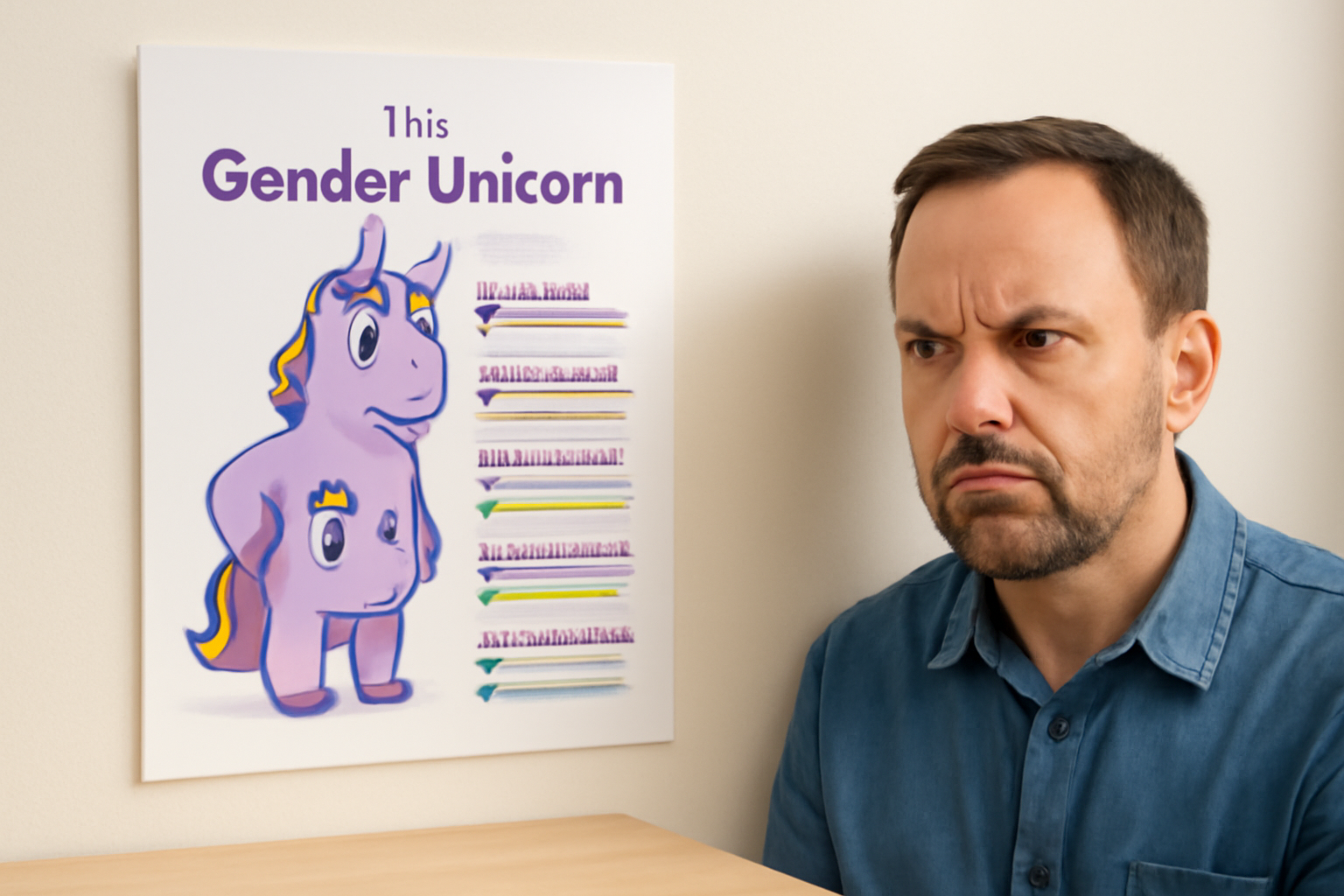
In recent years, you might have noticed more conversations popping up about gender identity. There's a hot topic that's caught a lot more attention lately: it's called The Gender Unicorn diagram. This seemingly simple tool has stirred up quite a bit more than educational interest, especially from right-wing activists. Why all this fuss over a unicorn? Let me break it down.
So, what exactly *is* The Gender Unicorn?
The Gender Unicorn isn't just any ordinary magical creature; it was created by Trans Student Educational Resources, a group that works towards making schools a more inclusive place. Think about it as a colorful chart that helps explain different bits and pieces about gender and sexuality. In this diagram, you've got a unicorn illustrating things like gender identity, how someone expresses their gender, what sex they were assigned at birth, and types and directions (physical or emotional) that attraction can take.
On one side, you'll see this friendly unicorn with thought bubbles and symbols, linking up with definitions on its other side. Gender identity—a rainbow-filled bubble—includes categories like female/woman/girl, male/man/boy, and other gender(s). What's interesting here? It shows how someone might express their gender differently from what they were assigned at birth. It sheds light on what it might mean, in real life, when transgender people work hard so their external presentation matches who they really are inside.
Why does The Gender Unicorn spark so much backlash?
Even though it aims just at educating, The Gender Unicorn has been caught in a storm, especially among right-wing circles. Scroll through social media and you'll find heaps and posts tearing it apart. Some believe discussing gender identity in such ways falls under ‘bad science' and doesn't belong in schools, while others claim it feels too much like trying too hard at indoctrination.
Some people online say it's about introducing controversial ideas prematurely, with accusations it might even be "grooming material." Cue a major culture clash around whether schools should even touch LGBTQ+ subjects.
The political scene and legal tug-of-war
This pushback doesn't live in a bubble. It's part and parcel with a larger political tussle, particularly in America, where things are heating up over what schools should teach about gender and sexuality. Some U.S. states have gone as far as legally challenging what they see as federal overreach, accusing agencies like Department Health and Human Services off thrusting ‘too much' on them regarding trans and non-binary topics.
The United Kingdom isn't sitting this one out, either. Critics there have balked at educational guidelines advising against stating transgender identities as fact. These debates keep gender discussions in education fiery and ever-present in public discourse.
The criticisms often align with these political movements, portraying The Gender Unicorn as a tool in some grand agenda. But there's a flip side. The real aim here: building bridges toward understanding and embracing diverse identities.
Why inclusive education really matters
Amidst all this uproar, it's important not lose track why resources like The Gender Unicorn even exist: promoting inclusivity and understanding. Tools that break down gender complexities and identity help create supportive environments. When students get a grasp on these things, it fosters empathy and respect among them and their peers.
As these debates roll on, it's vital we talk openly yet kindly. Parents, teachers, and policymakers should join forces, ensuring school content truly reflects human diversity and gets students ready life's bigger stage.
Got thoughts? Feel free share them below. Let us keep this conversation thoughtful and enlightening!
Related Posts
Supreme Court to Address State Bans on Trans Women in Female Sports
The upcoming U.S. Supreme Court term promises to be a pivotal moment for transgender rights, as the nation's highest court has agreed to evaluate whether states have the authority to prohibit transgender women from participating in female sports competitions. This case, scheduled to be argued in the next term beginning October, is expected to have a significant impact on the future of sports inclu [...]
Megan Rapinoe and Sue Bird Announce Amicable Separation After Ten Years Together
In a heartfelt announcement that resonated deeply within the sports and LGBTQ+ communities, soccer star Megan Rapinoe and basketball legend Sue Bird have revealed their decision to part ways after nearly a decade together. The couple, who have been icons both on and off the field, shared the news with their fans through a joint statement on social media, expressing that the choice was made with mu [...]
Groundbreaking Ruling Ends Sodomy Ban for Police and Military in the Dominican Republic
The Constitutional Court of the Dominican Republic recently delivered a landmark decision on November 18th, ruling that the nation’s police and armed forces are not permitted to criminalize consensual same-sex relations among their personnel. This pivotal ruling is a significant stride towards equality and the protection of LGBTQ+ rights within these institutions. A Resounding Victory for Equal [...]