
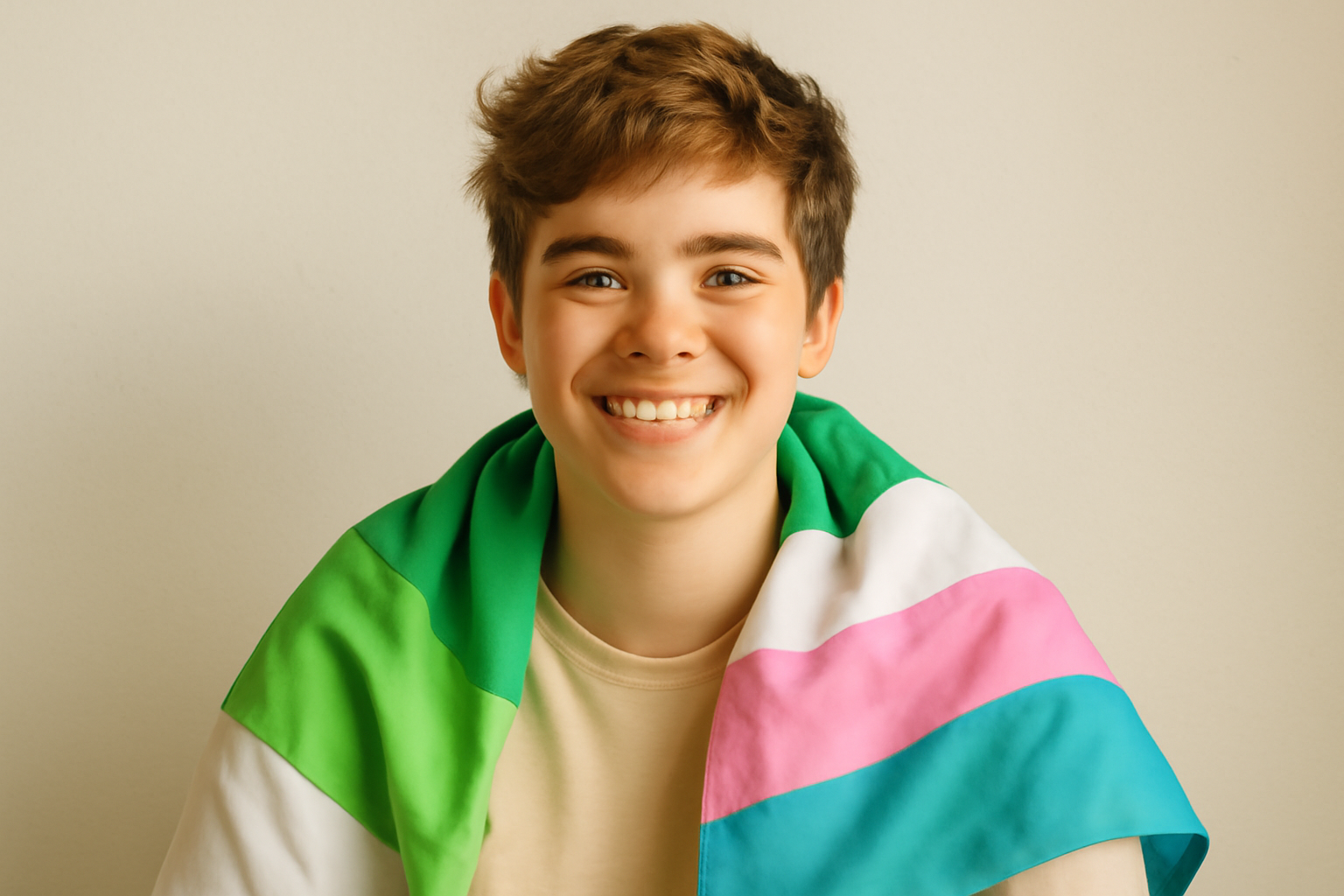
Sexuality isn't just one thing; it's a vast and varied spectrum where people can explore and embrace different identities. One lesser-known but important term in this diverse mix? "Abrosexual," which describes a fluid and dynamic sexual and romantic orientation.
One reason we see a plus sign in LGBTQ+? It's there because attraction and identity go beyond just a few labels. There's a whole range out there, and while some folks prefer not labeling themselves at all, "abrosexual" has started gaining traction and acceptance recently.
Getting a handle on abrosexuality
Abrosexuality means having changing levels or types of sexual or romantic attraction over time. If someone identifies as abrosexual, their attractions might shift. Maybe they're mostly drawn toward one gender at one point, feel more asexual later, and at another time, find attraction toward multiple genders.
The "abro" in abrosexual comes from a Greek word meaning "gentle" or "graceful." It fits because it reflects how smoothly these shifts in attraction can happen.
Abrosexuality vs. bisexuality and asexuality
Abrosexuality, bisexuality, and asexuality all fall under what's called multisexuality—meaning attraction toward more than one gender—but they're not identical. Bisexuality and pansexuality focus on which genders someone finds appealing. Abrosexuality, on the other hand, highlights how attraction itself can change, regardless of specific genders.
Pansexual people might say they're attracted regardless of gender, covering all bases. Abrosexuality holds onto that idea but acknowledges that one's orientation might keep shifting, sometimes even aligning with a pansexual identity. This fluidity makes abrosexuality unique compared to more constant identities like pansexuality or asexuality.
Think about Ash Hardell, a big advocate who digs deep into these distinctions on platforms like YouTube. They create content that helps break down these complexities, including abrosexuality, offering insight and education.
Why does abrosexuality have its own flag?
Many identities in t he LGBTQ+ community have flags, and abrosexuality's no different. This flag has five colors: dark green, light green, white, light pink, and dark pink, each representing different aspects of this fluid identity.
Where did this flag come from? It's a bit of a mystery—it first showed up on Tumblr back in 2013, thanks to an anonymous user. But despite not knowing its origins, it stands as a proud symbol of recognition and empowerment for those who identify with its fluid spectrum.
Just as bisexual, pansexual, and transgender flags exist, this flag gives abrosexual people a chance to express themselves and find others with similar experiences.
Why acknowledging abrosexuality matters
Recognizing and understanding abrosexuality ties into a larger goal: celebrating diversity within human sexuality. It's all about allowing people to define their experiences and identities on their own terms.
As society begins to embrace more fluid identities like abrosexuality, we move toward inclusivity and break away from strict stereotypes about attraction and orientation.
With more visibility and awareness, abrosexuality showcases love and attraction's ever-shifting nature, encouraging everyone to appreciate the wide-ranging human experience.
Related Posts
Supreme Court to Address State Bans on Trans Women in Female Sports
The upcoming U.S. Supreme Court term promises to be a pivotal moment for transgender rights, as the nation's highest court has agreed to evaluate whether states have the authority to prohibit transgender women from participating in female sports competitions. This case, scheduled to be argued in the next term beginning October, is expected to have a significant impact on the future of sports inclu [...]
Megan Rapinoe and Sue Bird Announce Amicable Separation After Ten Years Together
In a heartfelt announcement that resonated deeply within the sports and LGBTQ+ communities, soccer star Megan Rapinoe and basketball legend Sue Bird have revealed their decision to part ways after nearly a decade together. The couple, who have been icons both on and off the field, shared the news with their fans through a joint statement on social media, expressing that the choice was made with mu [...]
Groundbreaking Ruling Ends Sodomy Ban for Police and Military in the Dominican Republic
The Constitutional Court of the Dominican Republic recently delivered a landmark decision on November 18th, ruling that the nation’s police and armed forces are not permitted to criminalize consensual same-sex relations among their personnel. This pivotal ruling is a significant stride towards equality and the protection of LGBTQ+ rights within these institutions. A Resounding Victory for Equal [...]