
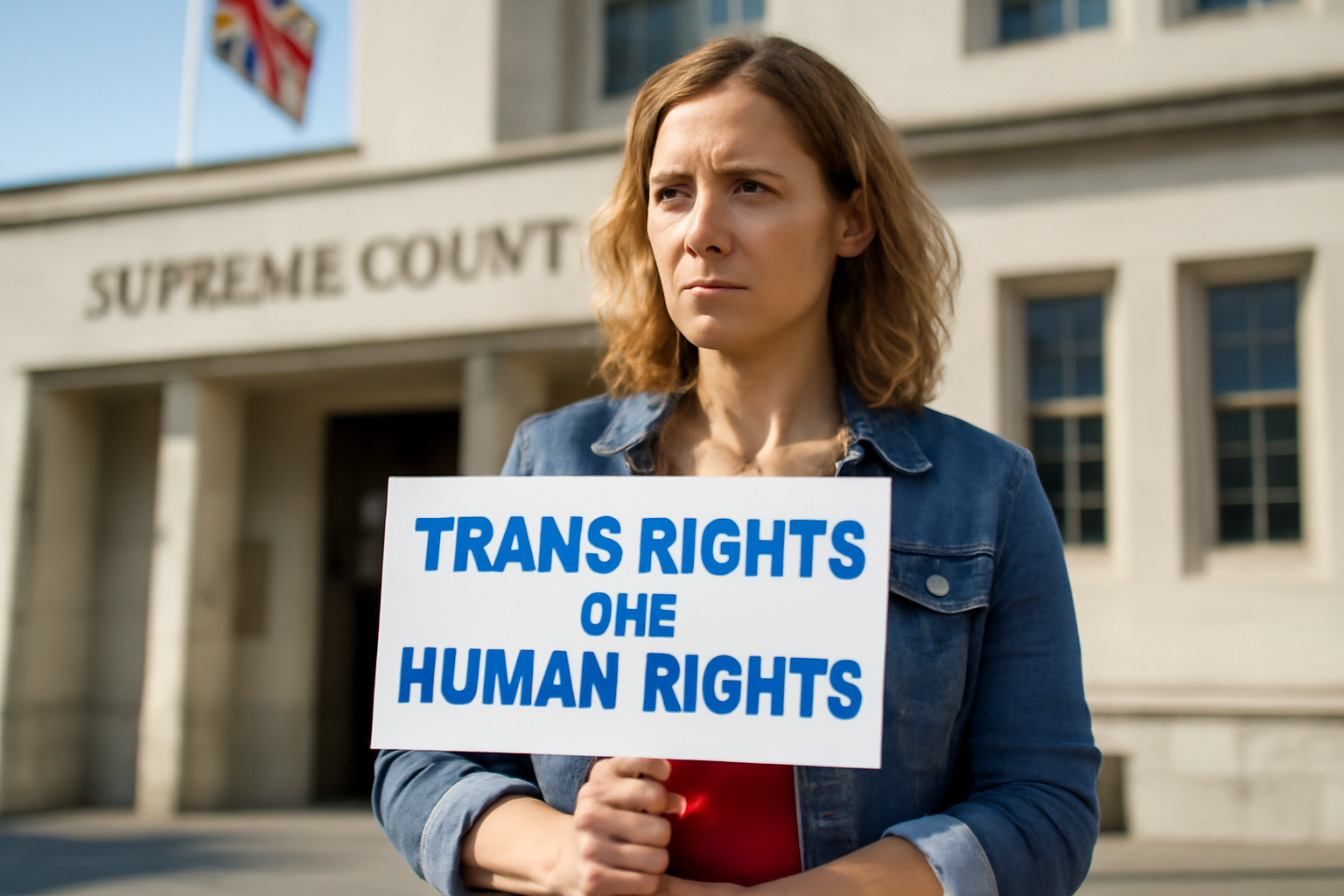
The UK's Supreme Court recently delivered a landmark ruling that has sparked intense debate over transgender rights. The court decided that transgender women aren't legally recognized as women under current law unless they have a Gender Recognition Certificate (GRC). This decision has major implications, touching every corner from healthcare and jobs, right down even access within essential services.
Getting a grip on gender recognition
This case finally made it all through those high legal hurdles after years caught in a whirlwind surrounding how we interpret The Gender Recognition Act 2004. Back then, it was a trailblazer, offering a legal route so transgender people could change their gender officially. But let's face it—the whole process can feel like you're crawling through honey, it's so slow and cumbersome.
While it was a big step forward at its inception, many now see it as out-of-step with today's understanding. Having requirements like living in one gender role two years or showing medical records feels really intrusive and heavy-handed if you ask a lot folks in-the-know.
The fallout from this decision
The Supreme Court's decision has met with mixed reactions. While it emphasizes sticking by terms set by The Gender Recognition Act, it also bluntly highlights just how many hurdles transgender folks must leap over just trying gain full acknowledgment.
Without a GRC, transgender women might find themselves locked out from female-only places or services—think health clinics catering specifically women, shelters offering refuge firstly them, or even sports teams. This exclusion often fuels discrimination adds extra layers vulnerability.
Voices from within: Transgender advocates respond
Activists across board are rallying, urging immediate fixes The Gender Recognition Act. They say this ruling shows how flawed current setup really—time we need system that's inclusive doesn't disrespect dignity nor identity.
They look countries like Ireland Argentina shining examples where self-ID models work without medical proofs endless hoops jump through. These systems honor personal choice and strengthen human rights.
Looking ahead: what could change?
Despite many seeing this as step back, it has fired up calls shift gears legally. More voices demand review revamp Gender Recognition Act, bringing it line latest insights make sure transgender folks aren't left behind.
And it's not just about laws—it's deeply human matter impacts lives daily. As we view gender through new lenses, hope grows legal frameworks catch up, making room everyone no matter their gender identity.
In meantime, advocacy groups and networks remain pivotal. They tirelessly support shine spotlight on ongoing challenges transgender communities face UK beyond its borders.
Related Posts
Supreme Court to Address State Bans on Trans Women in Female Sports
The upcoming U.S. Supreme Court term promises to be a pivotal moment for transgender rights, as the nation's highest court has agreed to evaluate whether states have the authority to prohibit transgender women from participating in female sports competitions. This case, scheduled to be argued in the next term beginning October, is expected to have a significant impact on the future of sports inclu [...]
Megan Rapinoe and Sue Bird Announce Amicable Separation After Ten Years Together
In a heartfelt announcement that resonated deeply within the sports and LGBTQ+ communities, soccer star Megan Rapinoe and basketball legend Sue Bird have revealed their decision to part ways after nearly a decade together. The couple, who have been icons both on and off the field, shared the news with their fans through a joint statement on social media, expressing that the choice was made with mu [...]
Groundbreaking Ruling Ends Sodomy Ban for Police and Military in the Dominican Republic
The Constitutional Court of the Dominican Republic recently delivered a landmark decision on November 18th, ruling that the nation’s police and armed forces are not permitted to criminalize consensual same-sex relations among their personnel. This pivotal ruling is a significant stride towards equality and the protection of LGBTQ+ rights within these institutions. A Resounding Victory for Equal [...]