
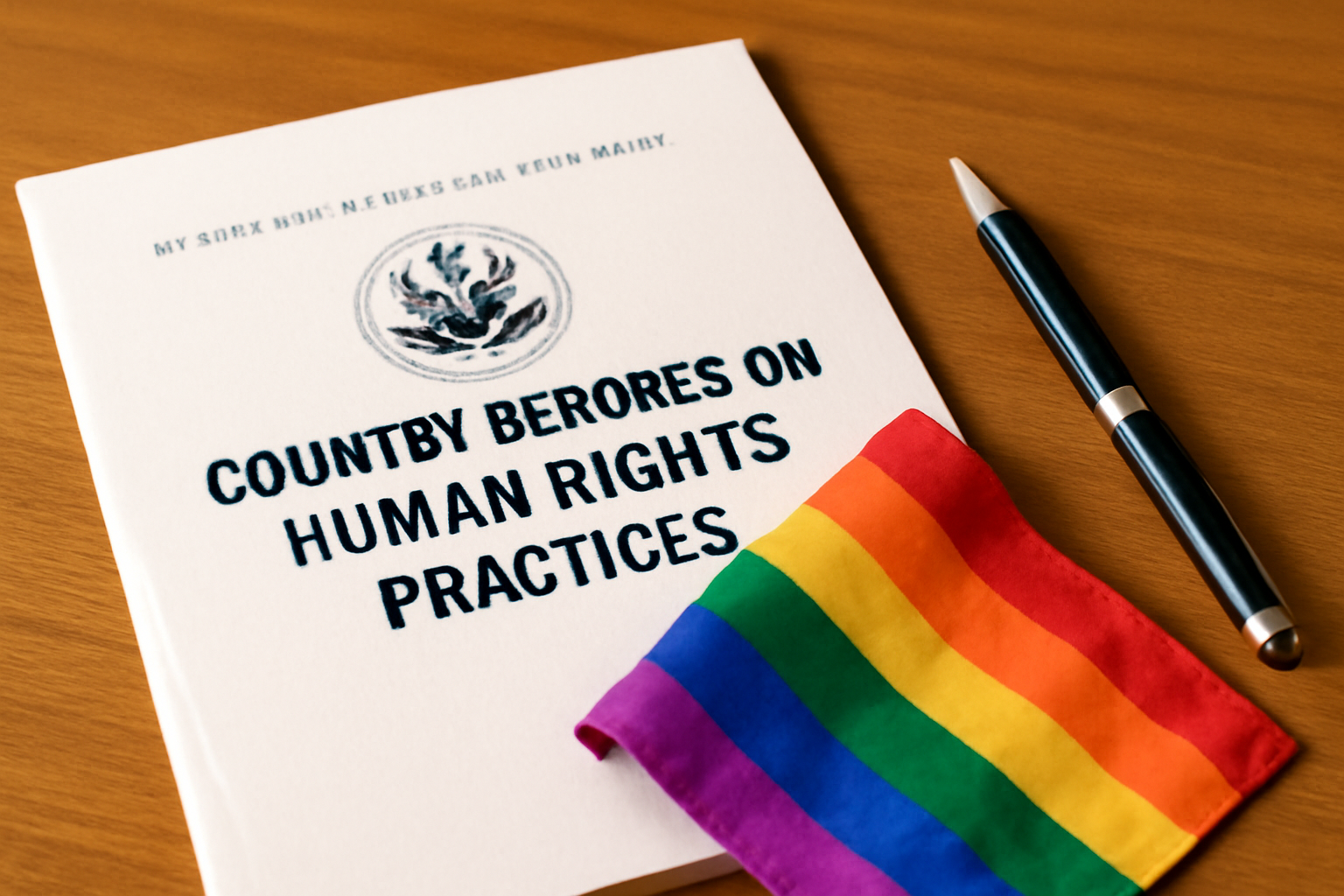
The latest annual report from the U.S. State Department, which surveys human rights across the globe, has conspicuously omitted sections traditionally dedicated to the rights of women, LGBTQ+ individuals, and people with disabilities. The revised report also excludes coverage of discrimination against indigenous populations and issues related to government corruption. This significant alteration is seen as a response to recent executive orders by the current administration that seek to curtail diversity, equity, and inclusion (DEI) initiatives within federal agencies.
Historically, the State Department's human rights report has been a critical document anticipated by governments and organizations worldwide. Its insights are utilized by advocacy groups, legal professionals, and policymakers to evaluate political dynamics in various countries, determine humanitarian aid priorities, and support asylum claims from individuals escaping persecution in their home nations.
The Shift in Focus
The elimination of the LGBTQ+ section is particularly alarming. In past reports, this section addressed issues such as physical harm, persecution, freedom of expression, and transgender rights. The complete removal of this content raises concerns about the current administration's commitment to protecting these communities.
Parallel to this, the women's rights section, which previously included topics like sexual violence, domestic abuse, reproductive rights, female genital mutilation, and gender-based discrimination, has been dramatically condensed. The forthcoming report is expected to feature only a segment titled “coercion in population control,” leaving its specifics vague and open to interpretation.
While these critical sections are absent, the report introduces new focuses on religious freedom, select labor rights, human trafficking, child labor, and the protection of refugees. However, the thoroughness and impartiality of these new sections have been questioned.
Concerns and Criticism
"There’s a real question about the value of this report coming out under the current administration," remarked Andrea Prasow, executive director of Freedom Now, an organization advocating for political prisoners. "Is it accurate? Is it politically motivated? Will it only describe human rights abuses by enemies instead of allies?"
This altered report is one among several controversial moves by the State Department under the current leadership. Early into his tenure, Secretary of State Marco Rubio suspended the acceptance of passport applications requesting changes to the gender marker. This policy poses significant risks for transgender, nonbinary, and intersex individuals whose gender presentation might not align with their birth-assigned gender. In response, a group of 82 House Democrats has formally urged the administration to reverse this decision.
Additionally, Secretary Rubio has terminated all foreign assistance designated for international HIV prevention initiatives, a decision that imperils the lives of millions. He has also expressed intentions to ban foreign transgender athletes from entering the United States permanently.
These policies reflect a broader pattern of anti-LGBTQ+ actions taken by the administration, signaling a retreat from previous commitments to global human rights advocacy and equality. The implications of these changes are profound and far-reaching, affecting not only domestic populations but also international relations and the global perception of the United States as a leader in human rights.
Global and Domestic Implications
The omission of key sections from the State Department's human rights report has raised alarms among human rights organizations and allies worldwide. The document’s credibility is now under scrutiny, with fears that it might selectively highlight human rights violations, focusing primarily on adversaries of the United States while downplaying or ignoring similar issues among allied nations.
As the international community watches closely, the United States faces increasing pressure to demonstrate a consistent and principled commitment to human rights. The recent changes in policy and reporting could undermine this credibility, potentially damaging diplomatic relations and diminishing the United States' influence in global human rights discourse.
For those deeply invested in advocating for human rights, the current trajectory suggests a need for increased vigilance and advocacy to hold the government accountable to its stated values of freedom, equality, and justice for all. It is crucial for allies and advocates to continue pushing for transparency and fairness in reporting and policy-making.
Stay informed and connected with issues that impact your community and beyond by subscribing to our newsletter. Ensure you receive updates on the latest developments affecting LGBTQ+ communities worldwide.
Related Posts
Supreme Court to Address State Bans on Trans Women in Female Sports
The upcoming U.S. Supreme Court term promises to be a pivotal moment for transgender rights, as the nation's highest court has agreed to evaluate whether states have the authority to prohibit transgender women from participating in female sports competitions. This case, scheduled to be argued in the next term beginning October, is expected to have a significant impact on the future of sports inclu [...]
Megan Rapinoe and Sue Bird Announce Amicable Separation After Ten Years Together
In a heartfelt announcement that resonated deeply within the sports and LGBTQ+ communities, soccer star Megan Rapinoe and basketball legend Sue Bird have revealed their decision to part ways after nearly a decade together. The couple, who have been icons both on and off the field, shared the news with their fans through a joint statement on social media, expressing that the choice was made with mu [...]
Groundbreaking Ruling Ends Sodomy Ban for Police and Military in the Dominican Republic
The Constitutional Court of the Dominican Republic recently delivered a landmark decision on November 18th, ruling that the nation’s police and armed forces are not permitted to criminalize consensual same-sex relations among their personnel. This pivotal ruling is a significant stride towards equality and the protection of LGBTQ+ rights within these institutions. A Resounding Victory for Equal [...]