
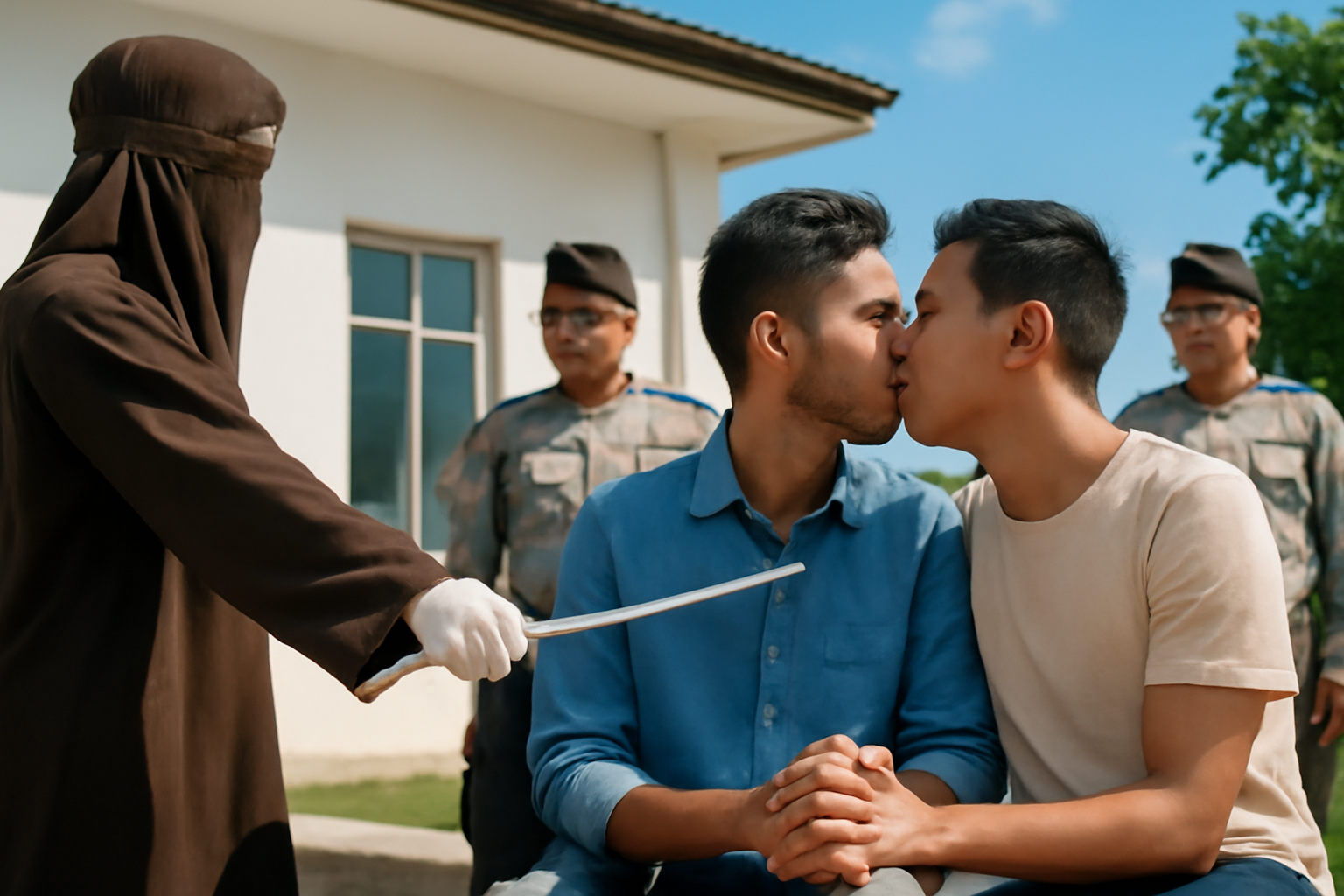
Examining Indonesia's morality laws
Let's dive a bit deeper. In Indonesia, particularly in Aceah, Islamic law rules over many parts, both public and private. If you're caught doing something seen as immoral, you could face legal consequences. What happened with these two men really highlights how tough things can be if you're part LGBTQ+ community living under these strict moral codes.The incident and its wider impact
So, what exactly happened? Well, these guys were seen hugging and kissing out in public, which, according Aceah's local regulations, was deemed inappropriate. They were picked up by authorities, went through a judicial process, and were eventually sentenced public caning. Public caning isn't just about punishment here in Aceah—it's meant as a wake-up call others too. But this practice has sparked a lot debate. Human rights groups are raising major concerns about what it means ethically and its impact human dignity.Reactions from community and human rights concerns
The decision publicly cane these men has gotten mixed reviews. Some local folks think sticking rigidly religious law keeps society in check. Yet, human rights activists, both in Indonesia and around globe, have been very vocal condemning this punishment. They claim that these laws often unfairly target marginalized groups like LGBTQ+ people. Groups such as Amnesty International have long stood against corporal punishment, seeing it as a violation human rights. They argue it's cruel and inhuman treatment, which clashes with international standards and principles.LGBTQ+ rights in Indonesia: The current state
Now, when it comes LGBTQ+ rights in Indonesia, it varies depending on where you are. Some areas are more accepting, but places like Aceah enforce strict rules that seriously restrict LGBTQ+ freedoms. Activists in Indonesia keep fighting equality, but they face significant challenges. Indonesia's stance on LGBTQ+ issues isn't just about local laws—it's influenced by larger social and political factors, which means any progress toward equality can be slow and complicated.International support and advocacy
The response from around has been strong, with many pushing Indonesia reform its legal system protect everyone, no matter their sexual orientation. Global human rights organizations and diplomatic channels are key in supporting local activists and spreading awareness. These sustained efforts aim create positive change in how LGBTQ+ communities are treated in Indonesia and beyond. This incident serves as a stark reminder ongoing struggles faced by LGBTQ+ folks worldwide, underscoring why continued advocacy, education, and awareness are so important. As we all strive equality and justice, it's vital we amplify voices those hit hardest by these harsh measures. Their stories remind us why empathy, understanding, and transformative change are desperately needed.Related Posts
Colton Underwood Opens Up About "The Traitors" Reunion Incident
Colton Underwood Addresses "The Traitors" Reunion Incident Colton Underwood, known for his role on "The Bachelor" and his subsequent coming out journey, has recently found himself at the center of speculation regarding his participation in the reality show "The Traitors." Rumors had been circulating about an incident during a reunion special, where it was alleged that Underwood had abruptly left [...]
Mary Trump Suggests a Humorous Name Change for Her Uncle Donald
In recent years, Mary Trump, a clinical psychologist and the openly lesbian niece of former President Donald Trump, has been in the spotlight for her outspoken criticism of her uncle. As both a member of the Trump family and a vocal critic, Mary has often been asked about the burden of carrying the Trump surname. In a characteristically witty manner, she recently addressed this issue on social med [...]
Historic Win for Polish Gay Couple Seeking Marriage Recognition
In a landmark decision, a Polish administrative court has ordered that a local civil registry must transcribe the marriage of a Polish same-sex couple who were wed in Germany. This ruling marks a significant moment in the ongoing struggle for LGBTQ+ rights within Poland and across the European Union. Background on the Case The couple, whose union was solemnized in Germany, faced initial resistanc [...]