
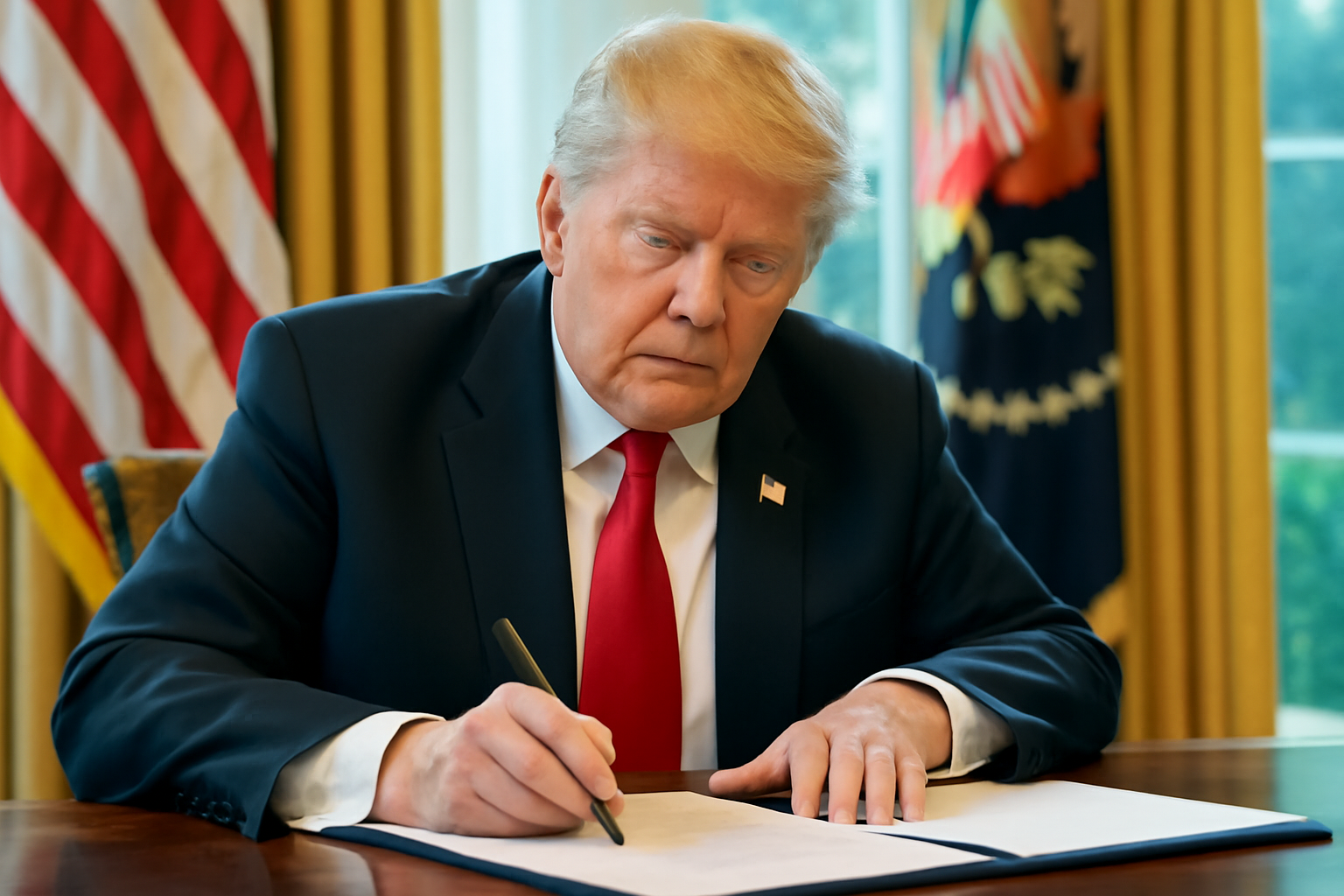
On the day of his inauguration, Donald Trump signed a series of executive orders that have sparked widespread debate and concern, particularly among LGBTQ+ communities. One of the most controversial of these orders involves the recognition of gender, with the United States now officially recognizing only two sexes: male and female.
This executive order mandates that all government documentation and identification, such as passports and visas, must reflect a person’s biological sex as strictly either male or female. The order also stipulates the use of the term "sex" rather than "gender" in all federal contexts. According to reports from Reuters, this move is seen as an attempt to legally enforce a binary understanding of sex, disregarding non-binary and transgender identities.
In his inaugural address, Trump emphasized his administration’s stance by declaring that there are only two genders, "male and female," and stated his intent to end "the government policy of trying to socially engineer race and gender into every aspect of public and private life." This statement has been met with significant backlash from human rights organizations and advocacy groups who argue that such policies are regressive and harmful to marginalized communities.
In addition to this executive order, Trump signed several others that further signal a shift in federal policy. These include rescinding diversity and inclusion initiatives, ending birth-right citizenship, withdrawing the United States from the World Health Organization, and issuing pardons related to the events of January 6, 2021.
Protests erupted in Washington, D.C., and across the nation as Trump was inaugurated, with many demonstrators advocating for abortion rights and transgender healthcare. Kelley Robinson, president of the Human Rights Campaign, issued a statement condemning the new administration's actions. "The incoming administration is trying to divide our communities in the hope that we forget what makes us strong," Robinson said. "But we refuse to back down or be intimidated. We are not going anywhere and we will fight back against these harmful provisions with everything we’ve got."
Understanding Executive Orders
Executive orders are directives issued by the President to manage the operations of the federal government. They hold the force of law but do not require approval from Congress. During Trump’s first term from 2017 to 2021, he signed 220 executive orders, including a controversial travel ban affecting individuals from several majority-Muslim countries.
Following Trump’s first term, President Joe Biden issued 160 executive orders, many aimed at reversing Trump-era policies, such as rejoining the Paris Climate Agreement. However, with his return to office, Trump has already revoked 78 of these orders, including once again withdrawing the U.S. from the Paris Agreement and signaling potential reinstatement of his previous ban on transgender individuals serving in the military.
The implications of these orders are far-reaching, with potential effects on civil rights, international relations, and environmental policies. As the nation grapples with these changes, advocates for LGBTQ+ rights and other marginalized groups vow to continue their fight for equality and recognition.
This development highlights the ongoing struggle for transgender and non-binary recognition and rights within the United States. The conversation around gender identity is complex and multifaceted, and executive actions like these underscore the importance of advocacy and policy change to support all individuals regardless of gender identity.
As the situation unfolds, it's crucial for community members, allies, and policymakers to engage in meaningful dialogue and work towards a more inclusive future. The voices of those affected by these decisions must be heard and amplified to ensure that progress continues in the fight for equality.
We encourage our readers to share their thoughts and experiences in the comments below. Let’s foster a respectful and constructive conversation as we navigate these challenging times together.
Related Posts
Supreme Court to Address State Bans on Trans Women in Female Sports
The upcoming U.S. Supreme Court term promises to be a pivotal moment for transgender rights, as the nation's highest court has agreed to evaluate whether states have the authority to prohibit transgender women from participating in female sports competitions. This case, scheduled to be argued in the next term beginning October, is expected to have a significant impact on the future of sports inclu [...]
Megan Rapinoe and Sue Bird Announce Amicable Separation After Ten Years Together
In a heartfelt announcement that resonated deeply within the sports and LGBTQ+ communities, soccer star Megan Rapinoe and basketball legend Sue Bird have revealed their decision to part ways after nearly a decade together. The couple, who have been icons both on and off the field, shared the news with their fans through a joint statement on social media, expressing that the choice was made with mu [...]
Groundbreaking Ruling Ends Sodomy Ban for Police and Military in the Dominican Republic
The Constitutional Court of the Dominican Republic recently delivered a landmark decision on November 18th, ruling that the nation’s police and armed forces are not permitted to criminalize consensual same-sex relations among their personnel. This pivotal ruling is a significant stride towards equality and the protection of LGBTQ+ rights within these institutions. A Resounding Victory for Equal [...]