
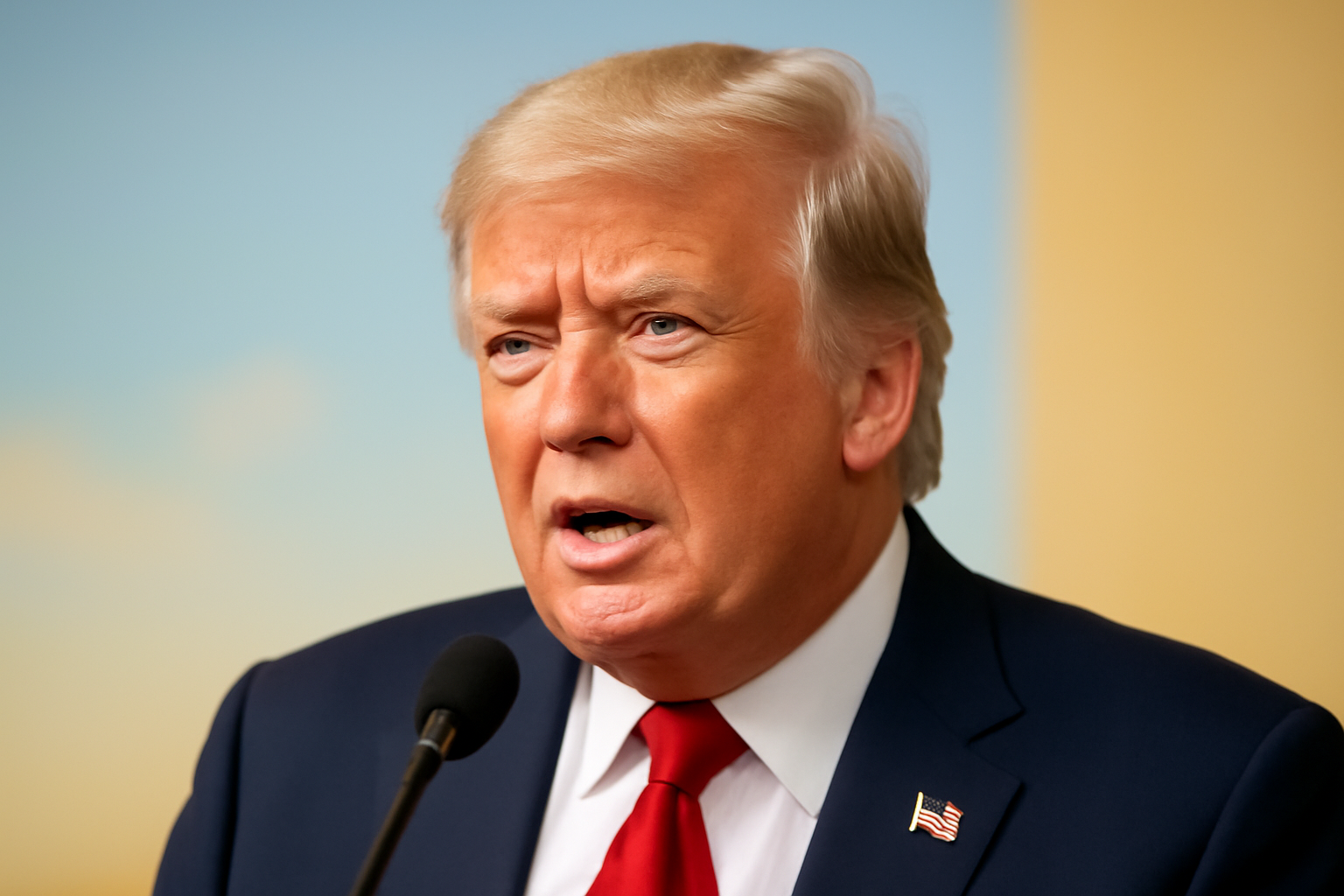
Trump plans on labeling Antifa a terrorist group
President Donald Trump recently announced his intent on calling Antifa a "major terrorist organization," a move that caught many people's attention. He revealed this on his social media platform, Truth Social, despite Antifa's lack as a formal organization with centralized leadership.
Trump said, "I am pleased with our many U.S.A. patriots that I am designating ANTIFA, a sick, dangerous, radical left disaster, as a major terrorist organization." He also mentioned wanting thorough investigations on those who financially back Antifa, ensuring they follow legal standards.
What exactly Is Antifa?
Antifa, which stands short "anti-fascist," isn't your typical organization. It's a broad movement made up mostly activists and grassroots groups that stand against fascism and far-right ideologies, including white supremacy and neo-Nazism. Its decentralized setup makes it tricky when considering categorizing it as a terrorist group.
The Anti-Defamation League (ADL) points out that "Antifa" often gets used loosely, sometimes lumping all counter-protesters together. Disinformation campaigns have targeted this group, distorting their public image.
Trump's administration backs him up
In a recent press conference in Oval Office, President Trump hinted at pushing forward with this designation if his top officials support it. "It's something I would do, yeah," he said. "I would do that 100%. Antifa's terrible."
Interestingly, not long ago, anti-fascist activists in Chardon, Ohio, were seen standing guard at entrance Element 41, a restaurant hosting a drag brunch event aimed at raising funds a local church's safe space program.
Political violence and future executive actions
Trump's announcement isn't just floating in a vacuum; it follows buzz about a new executive order targeting political violence and hate speech. This comes in wake tragic shooting Charlie Kirk, founder Turning Point USA, during public debate in Orem, Utah. The incident's fueled criticism from Trump and his allies, who argue that leftist rhetoric played a role in Kirk's death.
Kirk, 31, known firm stance on gun rights and opposing LGBTQ+ rights. Authorities have 22-year-old Tyler Robinson in custody over Kirk's murder.
Reuters reports that Trump's advisers are piecing together an executive order on political violence, which might roll out soon.
Free speech and censorship
Earlier this year, Trump signed an executive order titled "RESTORING FREEDOM OF SPEECH AND ENDING FEDERAL CENSORSHIP," marking his return White House. This order underscores importance First Amendment, criticizing past administration's handling free speech.
The order declares, "The First Amendment United States Constitution enshrines right American people speak freely public square without Government interference." It accuses previous administration stifling American speech online, aligning narratives Government's line.
However, this new stance begs question: how does this executive order reconcile with Trump's past views on free speech and its intersection First Amendment rights?
Debates persist: Antifa, free speech, and government power
The conversation around Antifa's classification highlights ongoing debates about free speech, political violence, and government power in U.S. How do we find balance maintaining safety and empowering voices?
Related Posts
Supreme Court to Address State Bans on Trans Women in Female Sports
The upcoming U.S. Supreme Court term promises to be a pivotal moment for transgender rights, as the nation's highest court has agreed to evaluate whether states have the authority to prohibit transgender women from participating in female sports competitions. This case, scheduled to be argued in the next term beginning October, is expected to have a significant impact on the future of sports inclu [...]
Megan Rapinoe and Sue Bird Announce Amicable Separation After Ten Years Together
In a heartfelt announcement that resonated deeply within the sports and LGBTQ+ communities, soccer star Megan Rapinoe and basketball legend Sue Bird have revealed their decision to part ways after nearly a decade together. The couple, who have been icons both on and off the field, shared the news with their fans through a joint statement on social media, expressing that the choice was made with mu [...]
Groundbreaking Ruling Ends Sodomy Ban for Police and Military in the Dominican Republic
The Constitutional Court of the Dominican Republic recently delivered a landmark decision on November 18th, ruling that the nation’s police and armed forces are not permitted to criminalize consensual same-sex relations among their personnel. This pivotal ruling is a significant stride towards equality and the protection of LGBTQ+ rights within these institutions. A Resounding Victory for Equal [...]