
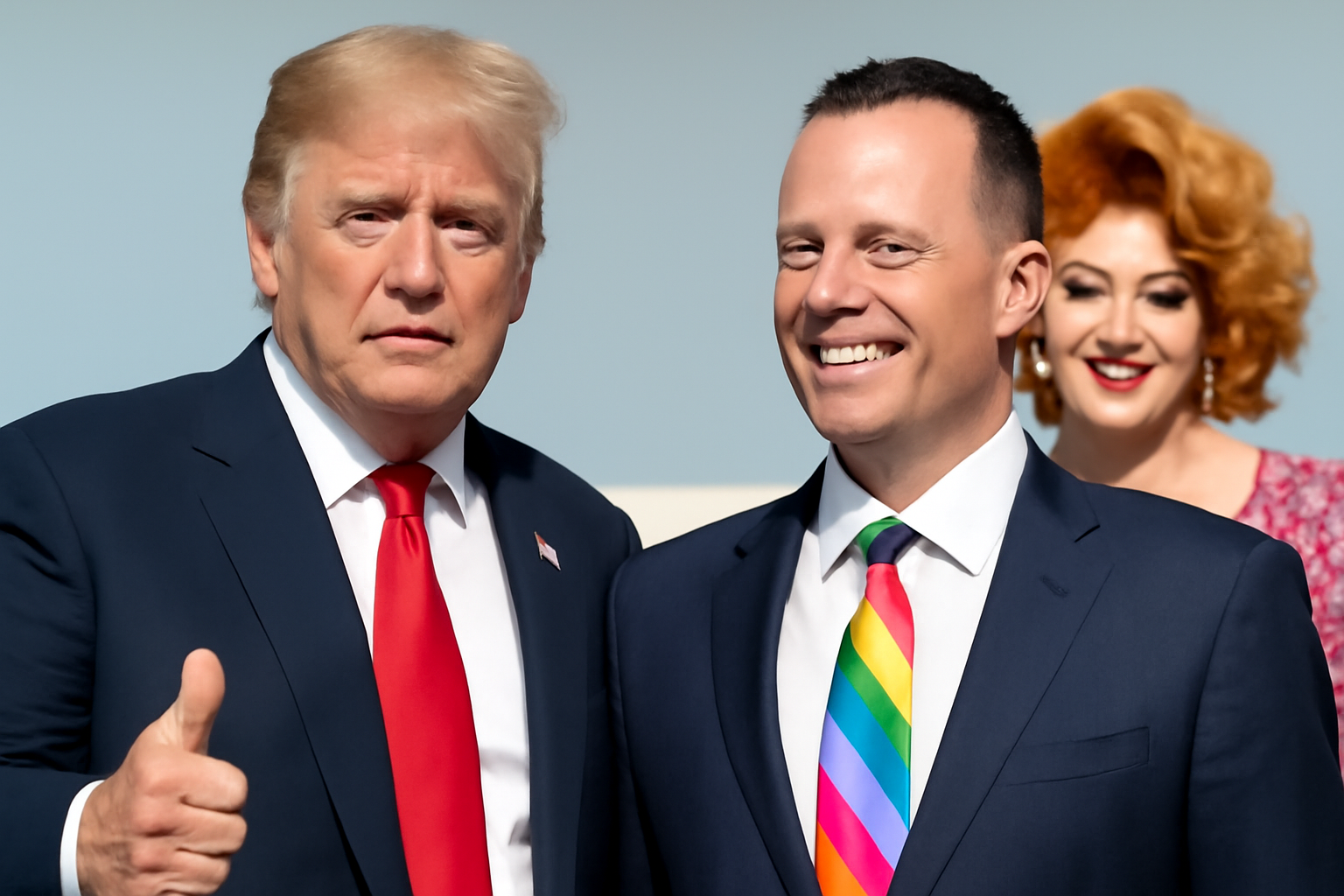
Richard Grenell takes charge: What's changing?
Richard Grenell's stepping in as head honcho marks a turning point, with Trump's decision stirring up controversy right outta' gate. Trump laid out some plans, declaring that certain types—namely, "NO MORE DRAG SHOWS, OR OTHER ANTI-AMERICAN PROPAGANDA"—would be axed from Kennedy Center's lineup. It's clear he intends a hard turn in programming, sparking a mix between anticipation and apprehension.Drag shows: The center stage controversy
This bold stance on nixing drag shows has quickly snagged headlines. Trump's criticism has zeroed in on recent events like drag brunches, some created especially with LGBTQ+ youth and families in mind, meant not just as entertainment but as educational, cultural celebrations—like "Dragtastic Dress-up." Debate has flared up over whether this shift caters too much toward a conservative agenda. Critics say nixing these programs could mean losing vital expressions and symbols, while supporters argue they're inappropriate.Ripples through arts circles
The Kennedy Center didn't stay silent, issuing a clarifying statement about Trump's assertions. They pointed out that under its establishment rules, set by Congress back in 1958, choosing a board chair falls under their jurisdiction, not a presidential mandate. Nevertheless, word on some board members getting pink slips has circulated, adding another layer.Artistic freedom up against political change
Trump's announcement has kicked up a broader discussion about where politics meets arts administration—a nerve that's clearly been hit among artists. The Qommittee, a group supporting drag artists, loudly denounced Trump's moves as a crackdown on LGBTQ+ performers' rights. "We're talking about public space visibility and storytelling on America's stage," they emphasized. The group argues that banning drag smacks more than a little like censorship, igniting a petition drive meant at safeguarding artistic independence at this venerable venue.What's on deck?
With fresh leadership steering its course, both those making art and those consuming it are watching how this plays out, curious about impact on Kennedy Center's future repertoire. It points up a key issue: juggling artistic freedom with political dynamics in managing cultural institutions. As it stands, Kennedy Center keeps a front-row seat in a national dialogue on how art and politics intertwine—and whose stories ultimately get told in our cultural arenas.Related Posts
Supreme Court to Address State Bans on Trans Women in Female Sports
The upcoming U.S. Supreme Court term promises to be a pivotal moment for transgender rights, as the nation's highest court has agreed to evaluate whether states have the authority to prohibit transgender women from participating in female sports competitions. This case, scheduled to be argued in the next term beginning October, is expected to have a significant impact on the future of sports inclu [...]
Megan Rapinoe and Sue Bird Announce Amicable Separation After Ten Years Together
In a heartfelt announcement that resonated deeply within the sports and LGBTQ+ communities, soccer star Megan Rapinoe and basketball legend Sue Bird have revealed their decision to part ways after nearly a decade together. The couple, who have been icons both on and off the field, shared the news with their fans through a joint statement on social media, expressing that the choice was made with mu [...]
Groundbreaking Ruling Ends Sodomy Ban for Police and Military in the Dominican Republic
The Constitutional Court of the Dominican Republic recently delivered a landmark decision on November 18th, ruling that the nation’s police and armed forces are not permitted to criminalize consensual same-sex relations among their personnel. This pivotal ruling is a significant stride towards equality and the protection of LGBTQ+ rights within these institutions. A Resounding Victory for Equal [...]