
Background
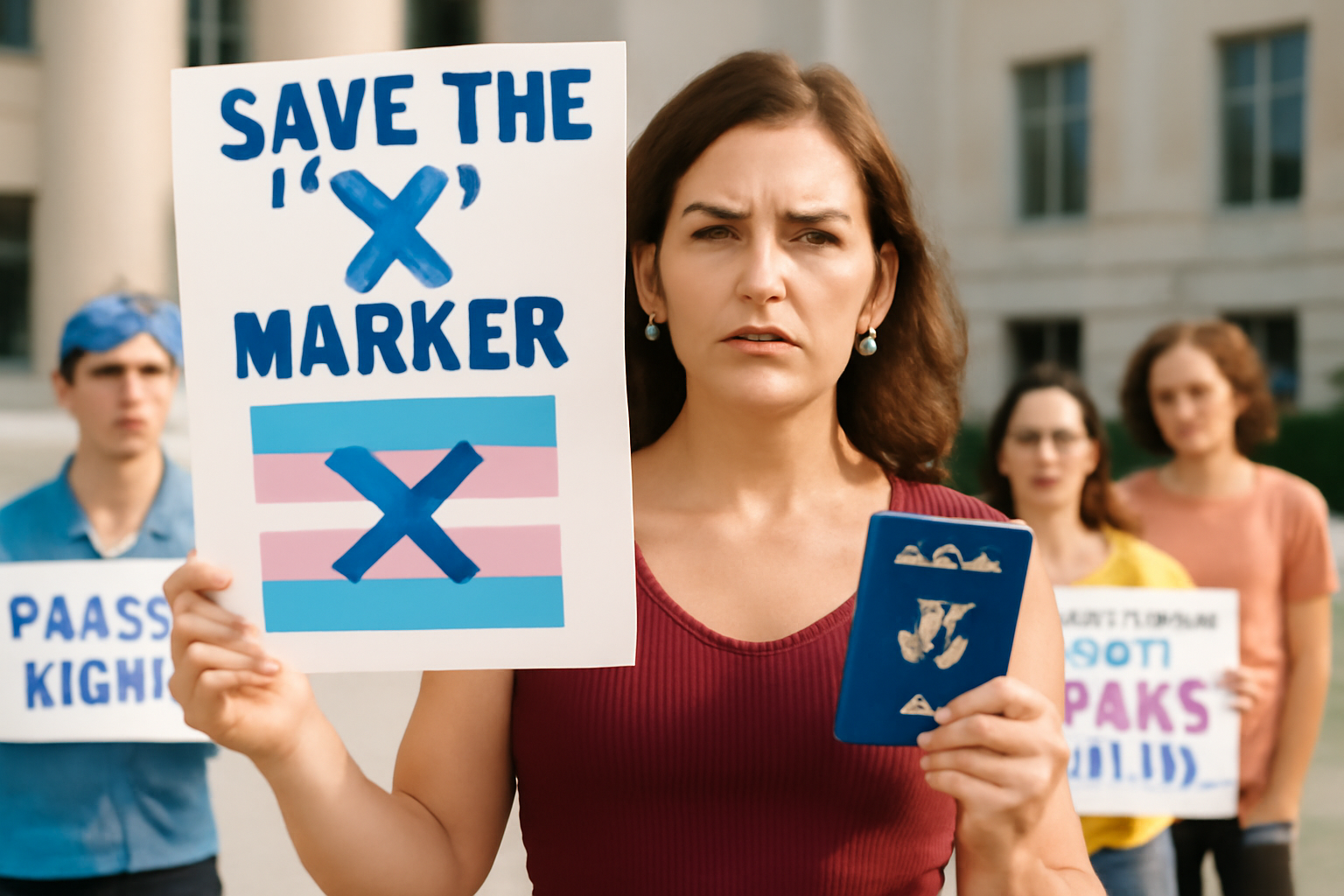
A group of transgender individuals in the United States has initiated legal action against the federal government over the removal of the 'X' gender marker option from U.S. passports. This lawsuit is a direct response to a policy change under the Trump administration, which enforced a definition of sex strictly based on one’s assigned sex at birth.
The Executive Order
The controversy began with an executive order signed by then-President Trump. This order stipulated that the United States government would only recognize two sexes. It directed federal departments, including the State Department and Homeland Security, to ensure that all government-issued identification documents, such as passports, visas, and Global Entry cards, reflect the individual’s "sex at conception."
The Legal Challenge
In response, a federal lawsuit has been filed challenging the order. The plaintiffs argue that this policy unfairly discriminates against transgender individuals. The complaint accuses the State Department of rejecting passport applications from transgender people, insisting on documents that only reflect their sex assigned at birth, rather than their lived gender identity.
The lawsuit further claims that the State Department has been withholding old passports and birth certificates that were submitted by applicants as part of the application process. This has left many transgender people without valid travel documents, severely impacting their ability to travel and, in some cases, their daily lives.
Impact on Transgender Applicants
According to reports, applications from individuals seeking to have their gender identity correctly reflected on their passports have been suspended. This has left many in a state of uncertainty and vulnerability, unable to obtain identification that accurately reflects their identity.
The 'X' gender marker was introduced in the U.S. in 2022, allowing applicants to self-select this non-binary gender marker. This option was particularly important for those who identify outside the traditional male or female binary, or for those whose birth certificates had not yet been updated to accurately reflect their gender identity.
Statements from the Government and Advocacy Groups
In a statement to USA Today, the State Department indicated that it was acting in accordance with the executive order, stating, "In line with that Order, the Department’s issuance of US passports will reflect the individual’s biological sex as defined in the Executive Order."
However, advocacy groups, including the American Civil Liberties Union (ACLU), have strongly opposed this policy. The ACLU, which is representing seven plaintiffs in the lawsuit, has argued that the order effectively mandates discrimination against transgender individuals across the federal government and its programs.
Advocacy and Public Response
In a press release, the ACLU highlighted the widespread concern among the transgender community and their allies. They reported receiving calls from over 1,500 transgender individuals or their family members, all expressing anxiety over the potential impact of this policy on their ability to obtain necessary travel documents.
Jessie Rossman, the ACLU’s legal director, stated, "This is yet another example of the Trump administration attempting to deny the dignity of transgender people and trying to push them out of public life." She added that these efforts are "cruel, unfair, and unlawful," emphasizing the ACLU's commitment to challenging what they see as an unconstitutional passport policy.
Conclusion
As this legal battle unfolds, it highlights the ongoing struggle for recognition and equality faced by transgender individuals. The outcome of this lawsuit could have significant implications for the rights of transgender people in the United States, potentially setting a precedent for how gender identity is recognized in federal documentation.
For now, the plaintiffs and their supporters remain hopeful that the courts will recognize the importance of allowing individuals the freedom to express their gender identity accurately and safely in their official documents.
Related Posts
Supreme Court to Address State Bans on Trans Women in Female Sports
The upcoming U.S. Supreme Court term promises to be a pivotal moment for transgender rights, as the nation's highest court has agreed to evaluate whether states have the authority to prohibit transgender women from participating in female sports competitions. This case, scheduled to be argued in the next term beginning October, is expected to have a significant impact on the future of sports inclu [...]
Megan Rapinoe and Sue Bird Announce Amicable Separation After Ten Years Together
In a heartfelt announcement that resonated deeply within the sports and LGBTQ+ communities, soccer star Megan Rapinoe and basketball legend Sue Bird have revealed their decision to part ways after nearly a decade together. The couple, who have been icons both on and off the field, shared the news with their fans through a joint statement on social media, expressing that the choice was made with mu [...]
Groundbreaking Ruling Ends Sodomy Ban for Police and Military in the Dominican Republic
The Constitutional Court of the Dominican Republic recently delivered a landmark decision on November 18th, ruling that the nation’s police and armed forces are not permitted to criminalize consensual same-sex relations among their personnel. This pivotal ruling is a significant stride towards equality and the protection of LGBTQ+ rights within these institutions. A Resounding Victory for Equal [...]