
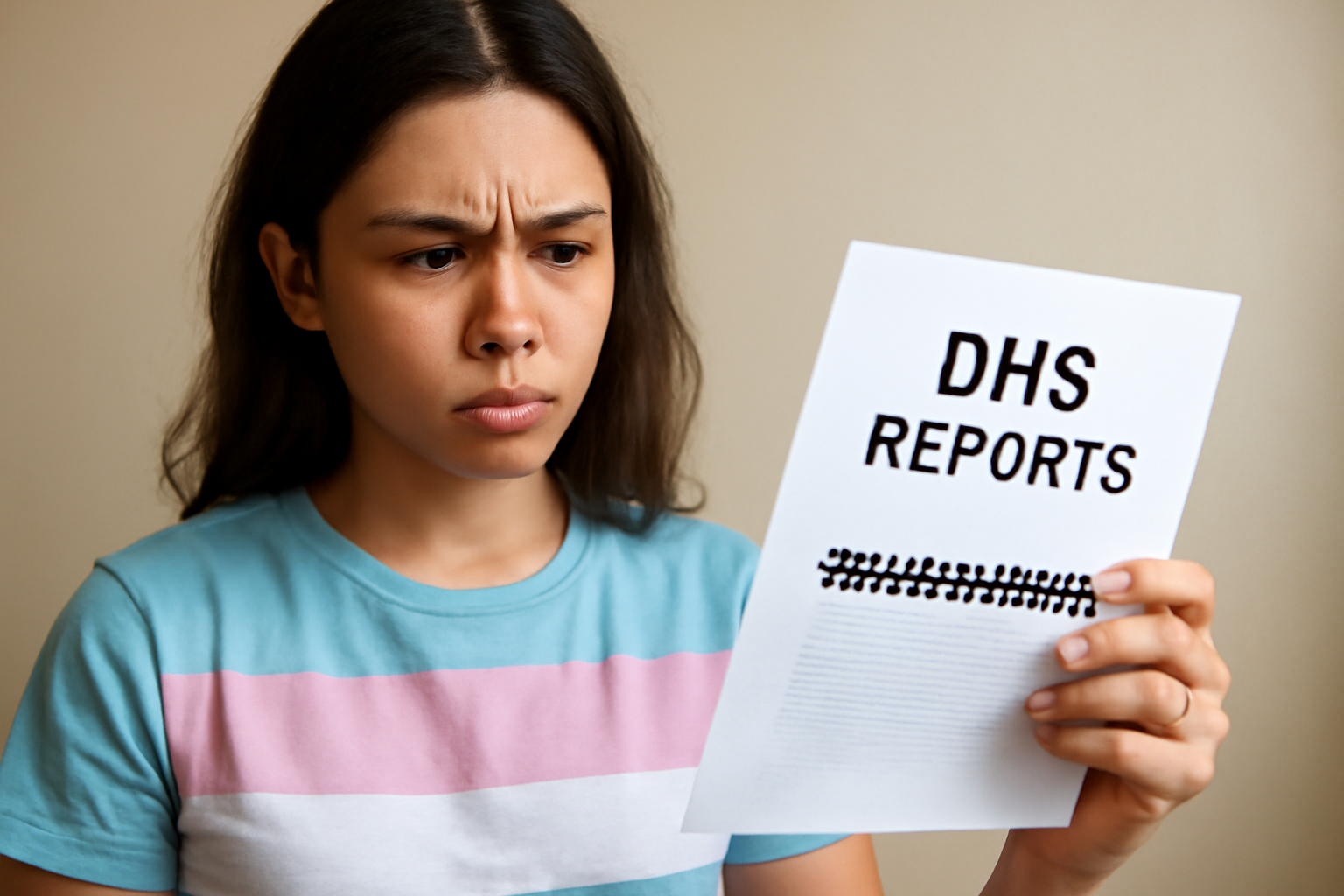
Lately, there's been quite a stir about how transgender individuals are being left out from key intelligence reports by none other than Homeland Security. The department, under Kristi Noem's leadership, has been under fire because they decided "LGB+" was sufficient, leaving "T" out in their assessments. This move feels extra disturbing when you think about how often transgender folks face violence and hate crimes.
Leaving out transgender people in safety talks
Ken Klippenstein, an independent journalist, got hold reports that shine light on this omission. The DHS's reports on community threats just seem blindfolded when it comes it comes recognizing transgender individuals as specific targets. Given how vulnerable transgender people are, you'd think they'd be front and center in efforts about safety.
Instead, by just saying "LGB+," these reports pretty much erase transgender people from both name and content. It's a glaring absence, especially since trans folks are often at heightened risk within LGBTQ+ circles, yet they're missing from documents meant precisely protect them.
Vital gaps in security briefings
These oversights are pretty worrisome, especially during events like Pride month when tensions and threats typically spike. The details in these reports, which map out possible attack strategies and law enforcement responses, miss a critical piece by not calling out trans people as distinct targets. It really makes you wonder about just how comprehensive these assessments from DHS and other government bodies are.
Even places like The New York Police Department have noticed violence against "LGB+" in their areas but seem shy about explicitly mentioning transgender victims. It feels like a significant piece missing in their reporting puzzle.
Pattern in government erasure extends even further
Sadly, this isn't a one-off issue with just DHS. A wider trend from government bodies appears geared towards erasing LGBTQ+ identities, especially transgender ones. An executive order acknowledges only two genders, which prompted changes like removing "T" from "LGBTQ+" on national monuments and cutting support options like "Press 3" on youth lifelines.
The State Department's also followed suit, omitting transgender and intersex individuals from their documentation, which muddles international travel and recognition issues, including passports.
The political ripple effects and transgender rights
Kirsti Noem, now directing DHS, has pushed these exclusion policies forward, mirroring her time as South Dakota governor where she backed laws sidelining transgender student-athletes and limited care options. She's got a history labeling trans advocates as champions promoting "radical ideologies" that supposedly divide youth.
There's been a strong backlash from LGBTQ+ circles who argue these moves don't just erode transgender identities but also put them in danger by overlooking specific threats. They're calling loud and clear on reversing these trends and urging inclusive reporting.
If you want tuned-in about how these issues keep unfolding, why not subscribe our newsletter? It'll keep you in loop with updates on policies affecting LGBTQ+ communities and insights you shouldn't miss.
This deliberate marginalization from government docs isn't just a slip-up but a targeted neglect against some our society's vulnerable members. As this continues, standing up and raising awareness becomes even more vital.
Engage with us and get involved in global LGBTQ+ conversations by subscribing now. Stay informed and be part change.
Related Posts
Supreme Court to Address State Bans on Trans Women in Female Sports
The upcoming U.S. Supreme Court term promises to be a pivotal moment for transgender rights, as the nation's highest court has agreed to evaluate whether states have the authority to prohibit transgender women from participating in female sports competitions. This case, scheduled to be argued in the next term beginning October, is expected to have a significant impact on the future of sports inclu [...]
Megan Rapinoe and Sue Bird Announce Amicable Separation After Ten Years Together
In a heartfelt announcement that resonated deeply within the sports and LGBTQ+ communities, soccer star Megan Rapinoe and basketball legend Sue Bird have revealed their decision to part ways after nearly a decade together. The couple, who have been icons both on and off the field, shared the news with their fans through a joint statement on social media, expressing that the choice was made with mu [...]
Groundbreaking Ruling Ends Sodomy Ban for Police and Military in the Dominican Republic
The Constitutional Court of the Dominican Republic recently delivered a landmark decision on November 18th, ruling that the nation’s police and armed forces are not permitted to criminalize consensual same-sex relations among their personnel. This pivotal ruling is a significant stride towards equality and the protection of LGBTQ+ rights within these institutions. A Resounding Victory for Equal [...]