
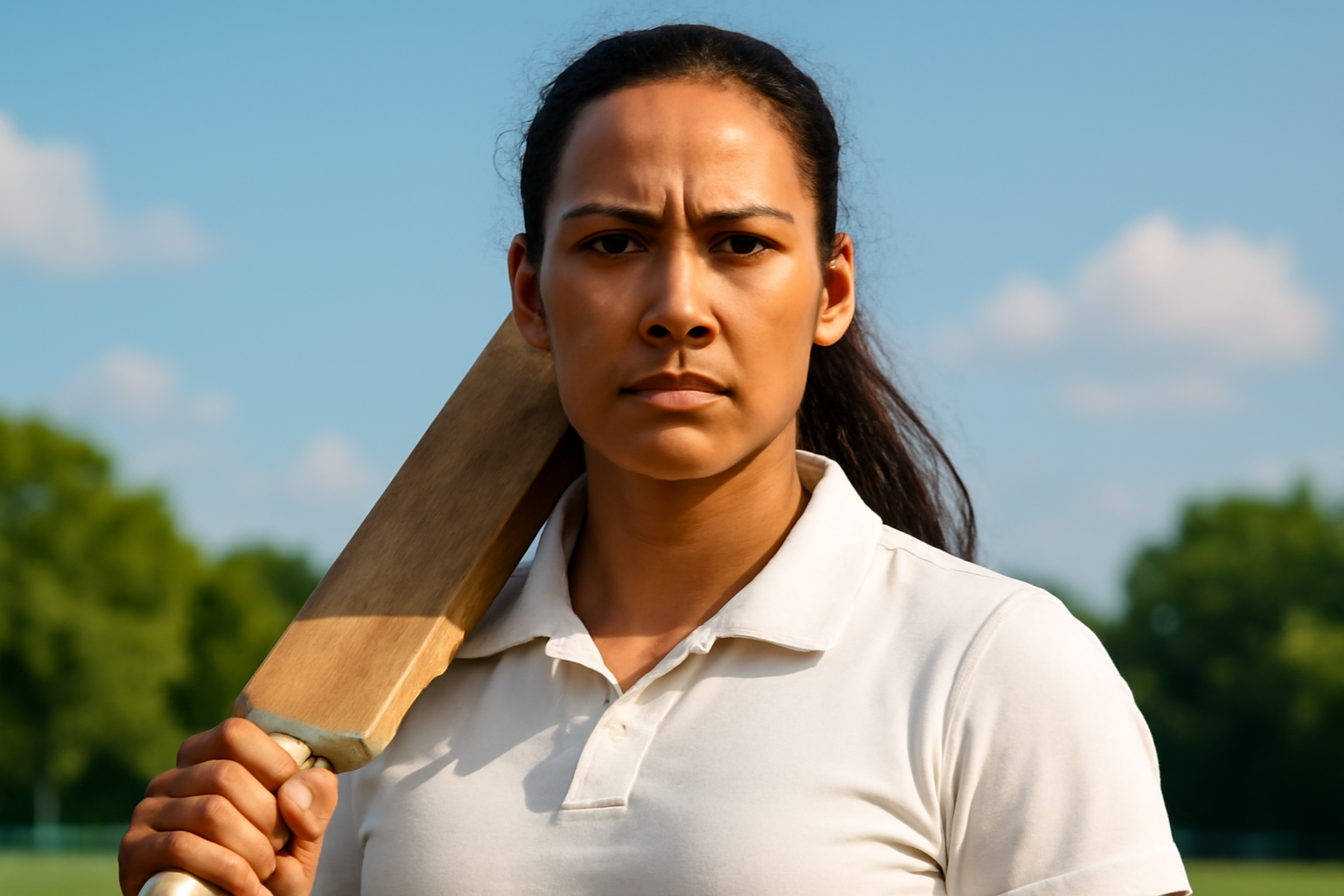
Transgender athlete challenges new cricket regulations
The England and Wales Cricket Board (ECB) recently stirred up quite a controversy with their decision that bans transgender women from competing in women-only cricket categories, effective immediately. With these new rules in place, only those who were assigned female at birth can play in these categories, although transgender women can still be part in open and mixed-gender cricket competitions. Naturally, this has sparked a heated debate about fairness and inclusivity in sports.
How legal rulings are shaping sports policies
This new policy didn't come out from nowhere; it actually follows a UK Supreme Court ruling from April 15. The court specified that ‘woman' in legal terms, as defined by 2010's Equality Act, should only refer those whose biological sex was female at birth, essentially excluding transgender women. This ruling's ripple effect might influence multiple sectors, forcing organizations everywhere, not just in sports, but across various fields, and single-sex spaces, and their inclusion policies.
Voices from within: The transgender community speaks out
Danielle McGahey Ribeiro, a pioneering transgender cricketer and notably, one who broke barriers as international cricket's first transgender woman player, hasn't held back in voicing her dismay over this ruling. To her, this ban spells out a 'devastating' blow against her community.
“This decision feels like a striking exclusion,” Ribeiro remarked during a recent interview. “As someone deeply embedded in this struggle as an athlete, I personally grasp how hurtful and unjust this policy feels. It cruelly strips away not just our right and opportunity in competition, but also snatches our sense belonging and joy from being an integral part within cricket community.”
Standing up and advocating: Pushing forward fairness and inclusion
Ribeiro doesn't mince words. She sees these policies as a glaring step backward. It's a plea, really, urging ECB rethink their perspective and truly embrace principles fairness inclusion.
“Banning trans women from sports they cherish isn't merely exclusion; it broadcasts an insidious message that we're outsiders. That notion couldn't be further from truth. Trans women deserve their spot all cricket levels—from grassroots calling, right up international contests,” she passionately asserted. “ECB must tune in voices trans athletes and re-adopt what cricket, at heart, champions: diversity community spirit.”
ECB's stance on upholding legal standards
The ECB stands its ground, emphasizing need align with rulings from Supreme Court. Their statement underscores commitment making cricket a welcoming experience, while acknowledging imperative changes brought by evolving legal frameworks.
“Our guidelines recreational cricket specifically aim ensure sport remains accessible enjoyable across board. Yet, adherence these societal norms unavoidable,” ECB laid out. “We're fully aware impact on transgender players and pledge support those directly affected through ongoing efforts within Recreational Cricket Boards.”
Wider impact on sports and beyond
Post Supreme Court's decisive ruling, other UK sports bodies like Football Association and Scottish Football Association, are similarly restricting transgender women female leagues. Even some corporate entities like Barclays look re-evaluate access policies; this shift might further restrict transgender women within female-designated spaces.
Despite these hurdles, Ribeiro's resolve advocating transgender inclusivity stands unshaken. “Transitioning isn't about cornering advantage in sports,” she elaborated. “The journey encompasses substantial sacrifice and societal hurdles that stretch years and transcend mere athletic realms. This newfound regulation scar our community, yet I remain stubbornly against it.”
Looking ahead: Inclusivity's prospects in sports
With ECB's policy changes altering women's cricket dynamics in UK, ongoing debates inclusion, fairness, and transgender athletes rights simmer on. Advocacy from figures like Ribeiro serves pivotal, stirring visions future where sports genuinely open everyone.
Summing it up: Finding balance between fairness and inclusivity
The persistent conversation on transgender athletes' participation highlights intricate balance between competitive fairness and all-encompassing inclusivity. As governing bodies face these conundrums, working towards ensuring every athlete feels welcomed and valuable remains key. Cricket and broader sporting community need engage candid, open dialogue, nurturing environments where individuals can genuinely strive.
Related Posts
Supreme Court to Address State Bans on Trans Women in Female Sports
The upcoming U.S. Supreme Court term promises to be a pivotal moment for transgender rights, as the nation's highest court has agreed to evaluate whether states have the authority to prohibit transgender women from participating in female sports competitions. This case, scheduled to be argued in the next term beginning October, is expected to have a significant impact on the future of sports inclu [...]
Megan Rapinoe and Sue Bird Announce Amicable Separation After Ten Years Together
In a heartfelt announcement that resonated deeply within the sports and LGBTQ+ communities, soccer star Megan Rapinoe and basketball legend Sue Bird have revealed their decision to part ways after nearly a decade together. The couple, who have been icons both on and off the field, shared the news with their fans through a joint statement on social media, expressing that the choice was made with mu [...]
Groundbreaking Ruling Ends Sodomy Ban for Police and Military in the Dominican Republic
The Constitutional Court of the Dominican Republic recently delivered a landmark decision on November 18th, ruling that the nation’s police and armed forces are not permitted to criminalize consensual same-sex relations among their personnel. This pivotal ruling is a significant stride towards equality and the protection of LGBTQ+ rights within these institutions. A Resounding Victory for Equal [...]