
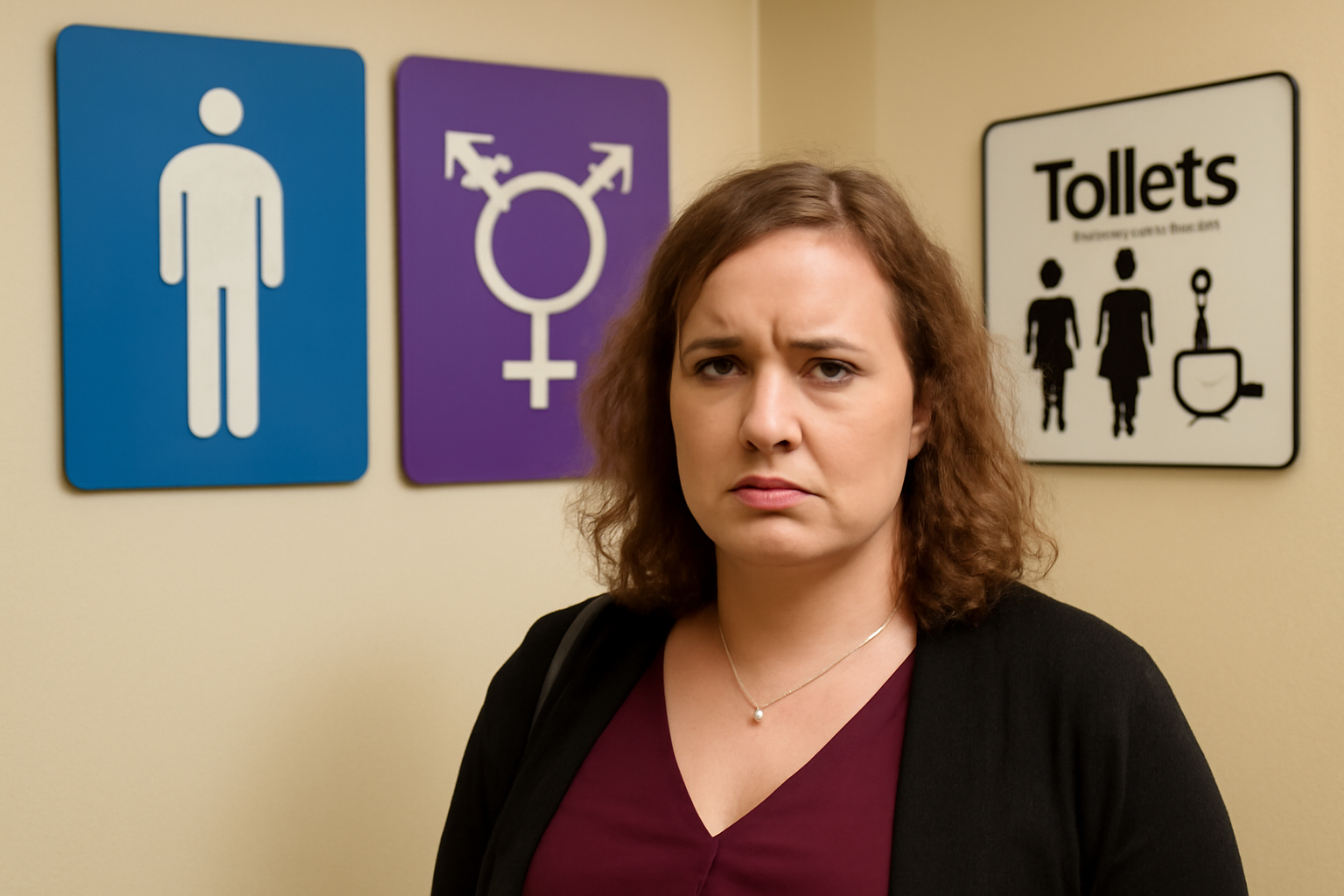
New restroom rules at Westminster raise concerns
Recently, Westminster has introduced a new restroom policy, which means transgender people must use facilities that match their biological sex or go with gender-neutral options. It's caused quite a stir among visitors and staff at places like Parliament and Portcullis House.
This change affects every corner, from where MPs work in Portcullis House, all through both Houses. It's all a follow-up from a Supreme Court decision that now sees "sex" in legal terms as biological sex. The ruling, linked back with 2010's Equality Act, strictly defines "sex" and "woman" as referring only biologically, excluding transgender women in its definitions.
Earlier, documents show that genders weren't so strictly defined at Westminster's restrooms. It follows a similar move seen recently at Scotland's Holyrood Parliament.
The Equality and Human Rights Commission (EHRC) released some preliminary guidelines. They suggest restroom and other single-sex space access should hinge on one's biological sex, meaning transgender people might face limitations on using facilities that line up with their gender identity in certain settings.
The critics aren't sitting quietly. They argue these policies lock transgender folks out from participating in public life. Scottish Trans, a notable advocacy group, criticized Holyrood's changes as being too quick and unfeasible, fearing it might push trans people away from engaging with Scottish civic life.
Christine Grahareme, serving MSP, tried easing concerns, stating that there won't be someone checking IDs or birth certificates at Holyrood's restrooms. They're not about policing gender, she reassured.
This policy shift came in after a heated moment at Portcullis House involving Robin Moira White, a transgender barrister. Her presence in a female restroom sparked a showdown with activists, leading security staff had hadto step in. Even though security cleared transgender people could use bathrooms matching their gender identity, it ended with an apology from House Commons, sorting confusion.
All these changes have just fueled debates on transgender rights across UK, shining a light on ongoing discussions around identity, inclusion, and equality in public zones. It brings up bigger questions around access, acceptance, and legal recognition, where issues constantly stir controversy.
It's essential now, more than ever, that both decision-makers and communities engage in meaningful discussions, treading a fine line between legal frameworks and inclusivity, respecting everyone's rights. Where do you stand? Let's keep this conversation open and respectful.
```Related Posts
Supreme Court to Address State Bans on Trans Women in Female Sports
The upcoming U.S. Supreme Court term promises to be a pivotal moment for transgender rights, as the nation's highest court has agreed to evaluate whether states have the authority to prohibit transgender women from participating in female sports competitions. This case, scheduled to be argued in the next term beginning October, is expected to have a significant impact on the future of sports inclu [...]
Megan Rapinoe and Sue Bird Announce Amicable Separation After Ten Years Together
In a heartfelt announcement that resonated deeply within the sports and LGBTQ+ communities, soccer star Megan Rapinoe and basketball legend Sue Bird have revealed their decision to part ways after nearly a decade together. The couple, who have been icons both on and off the field, shared the news with their fans through a joint statement on social media, expressing that the choice was made with mu [...]
Groundbreaking Ruling Ends Sodomy Ban for Police and Military in the Dominican Republic
The Constitutional Court of the Dominican Republic recently delivered a landmark decision on November 18th, ruling that the nation’s police and armed forces are not permitted to criminalize consensual same-sex relations among their personnel. This pivotal ruling is a significant stride towards equality and the protection of LGBTQ+ rights within these institutions. A Resounding Victory for Equal [...]