
The fight over legal gender recognition in Britain
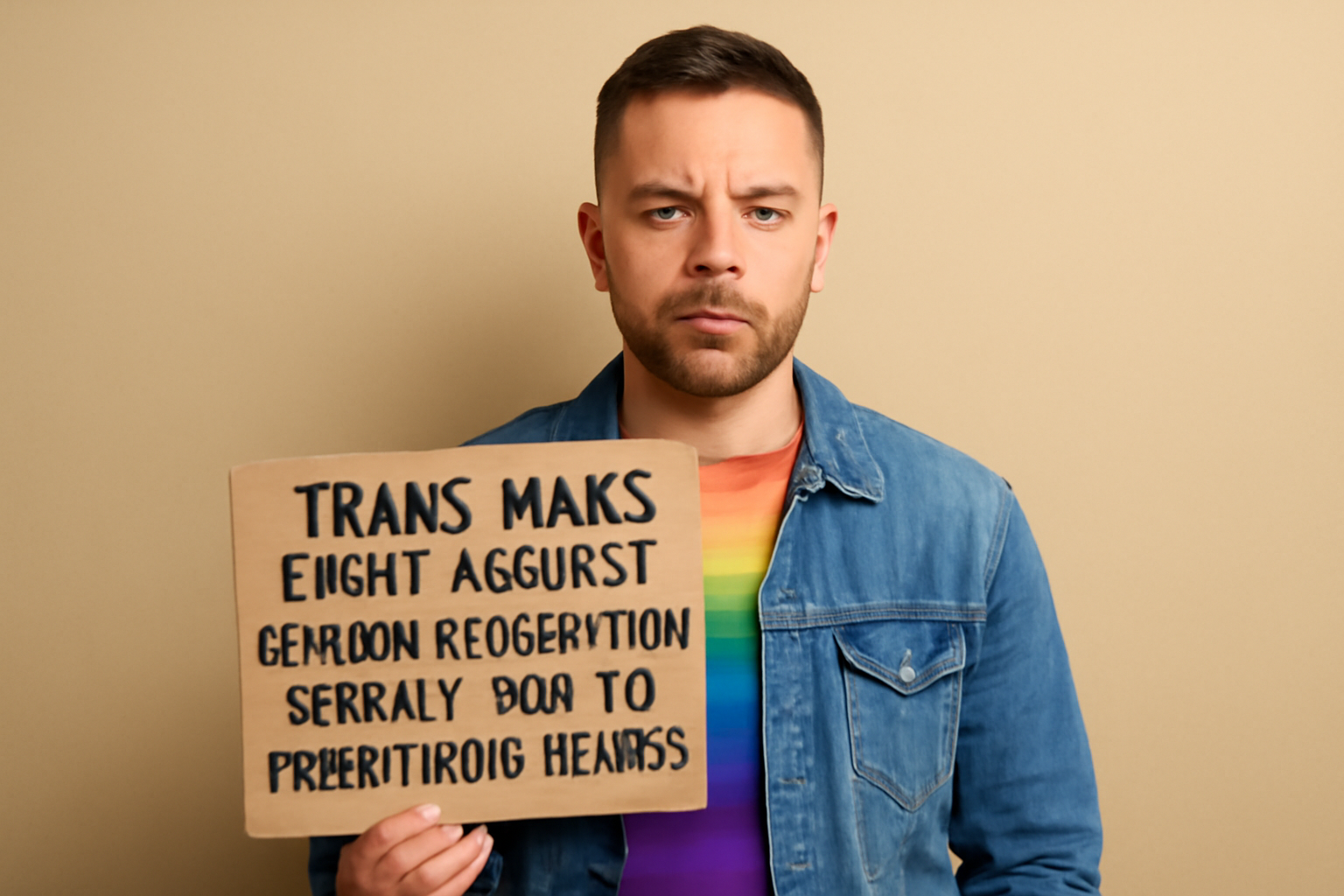
There's a heated legal battle unfolding in Britain that involves a trans man standing up against a decision made by what's known as Britain's Gender Recognition Panel. Why did it come about? It seems all this controversy kicked off because he was denied legal gender recognition, with officials pointing fingers at his desire—imagine this—to have kids.
This man, who prefers staying anonymous, tried going through official channels seeking legal acknowledgment as male. But then things took a turn: his application was a no-go. The reasoning? His wish or plan or whatever you want about having children. This decision raises eyebrows and stirs up questions about just what criteria are sufficient or valid when granting gender recognition, especially concerning human rights.
Unpacking gender recognition in Britain
Under Britain's Gender Recognition Act, trans folks can petition and apply via a process called a Gender Recognition Certificate (GRC). This piece serves as a key step toward legal gender acknowledgment. But getting one isn't a cakewalk. There's a checklist: you need a diagnosis, be at least 18, live as your chosen gender, and say you're in it permanently—no takesies-backsies!
In this guy's story, his case got snagged because he wants kids, which, according against what these panelists believe, seemingly clashes with him being legally recognized as male. It's causing quite a stir among legal minds and advocates who say these criteria don't just feel off—they're downright discriminatory.
What's at stake here with human rights?
The Good Law Project has taken up this man's cause, bringing it up before Britain’s High Court. They argue that shutting down this man's recognition based on wanting kids violates fundamental human rights. And they've got back-up: previous rulings from Europe’s highest human rights court say it’s wrong—criminal, really—to force transgender people out there wanting legal recognition while giving up parental rights or facing sterilization.
Jess O'Thomson, voicing out from Good Law Project, emphasizes broader ripples affecting trans people everywhere. Isn't it bizarre in this modern age that we still question whether minorities should have kids? It calls up echoes—dark ones—of past eugenics ideas best left buried.
O'Thomson reflects how—despite some places mandating it—sterility demands are shrinking globally. Many countries already grasp how essential it remains letting transgender individuals parent children without hurdles or hassles.
Lessons from history, plans toward tomorrow
Things weren't always like today's dilemma: stepping back pre-2005, trans folk couldn't secure legal recognition within Britain. Luckily, a ruling pivoted things—one from ECHR. It rebuked prior UK refusals outright, citing breaches against human rights law. We’d since seen Gender Recognition Act pass forward, giving pathways, but cases repeat—showing room still there, more robust policy development needed.
Good Law Project vows continuing their advocacy, eager sharing forthcoming High Court's call when it lands. They're pushing back boldly against ‘archaic’ trends risking rollback on trans advancement rights and focused tirelessly on protecting, preserving these individuals' liberties.
As we track this tale’s twists, it reminds how complex gender recognition remains. Policies need crafting that entirely respects everyone’s freedom, ensuring identity and family dreams coexist, fostering real societal fairness. This court fight could topple outdated conventions in Britain, nudged policies worldwide along better paths.
Still uncertain what comes when court ends? Perhaps—but already conversation crackles. Its long-standing effects ripple far beyond Britain, influencing trans rights dialogue anew globally.
Related Posts
Supreme Court to Address State Bans on Trans Women in Female Sports
The upcoming U.S. Supreme Court term promises to be a pivotal moment for transgender rights, as the nation's highest court has agreed to evaluate whether states have the authority to prohibit transgender women from participating in female sports competitions. This case, scheduled to be argued in the next term beginning October, is expected to have a significant impact on the future of sports inclu [...]
Megan Rapinoe and Sue Bird Announce Amicable Separation After Ten Years Together
In a heartfelt announcement that resonated deeply within the sports and LGBTQ+ communities, soccer star Megan Rapinoe and basketball legend Sue Bird have revealed their decision to part ways after nearly a decade together. The couple, who have been icons both on and off the field, shared the news with their fans through a joint statement on social media, expressing that the choice was made with mu [...]
Groundbreaking Ruling Ends Sodomy Ban for Police and Military in the Dominican Republic
The Constitutional Court of the Dominican Republic recently delivered a landmark decision on November 18th, ruling that the nation’s police and armed forces are not permitted to criminalize consensual same-sex relations among their personnel. This pivotal ruling is a significant stride towards equality and the protection of LGBTQ+ rights within these institutions. A Resounding Victory for Equal [...]