
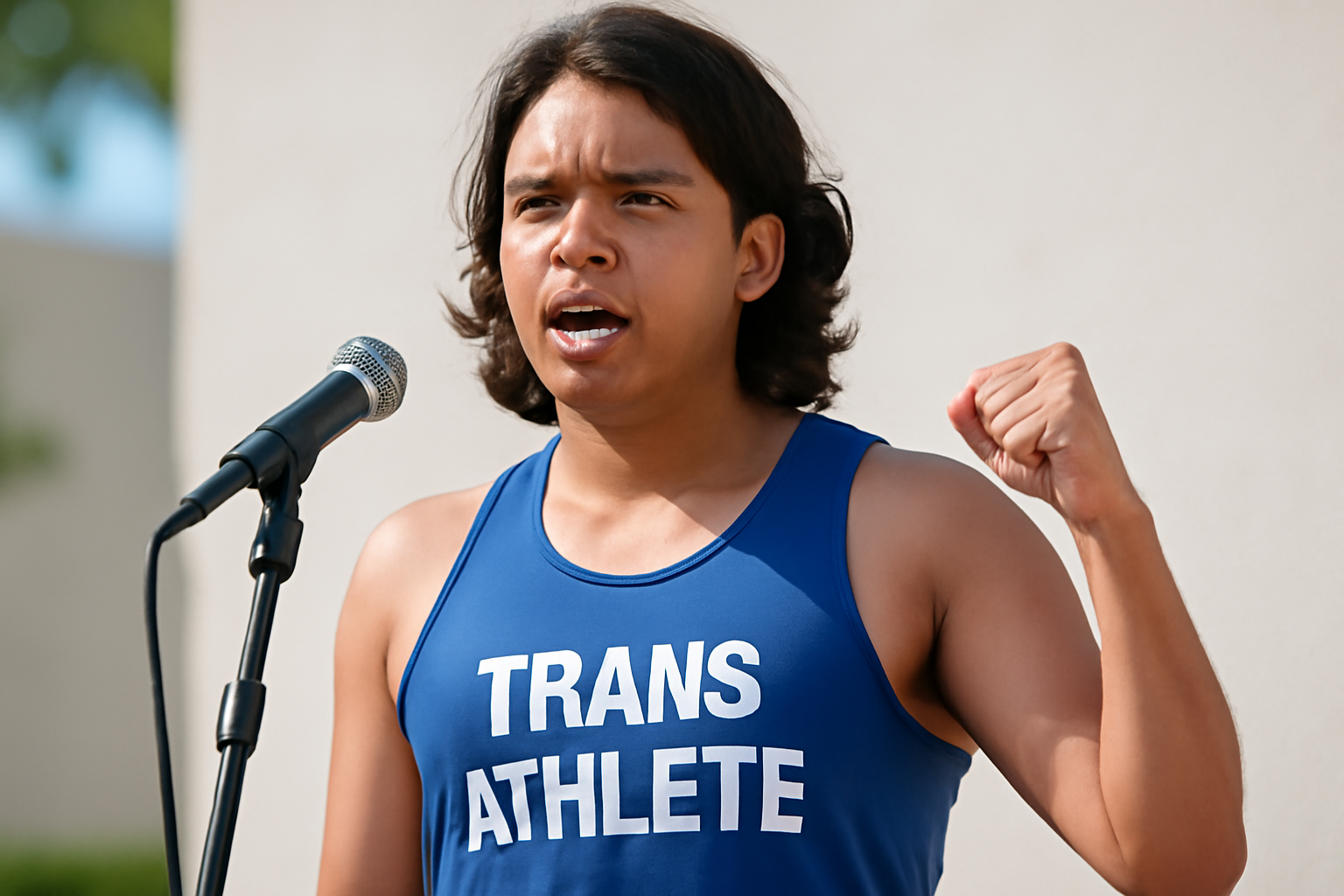
Georgia's transgender athlete bill sparks heated debate
In Georgia, a fierce conversation has erupted following a proposed bill that aims at banning transgender student-athletes from playing on sports teams that match their gender identity. Known as "The Riley Gaines Act," this contentious legislation honors a former college swimmer who's taken a stand against transgender inclusion in sports. The bill has been gaining momentum, with Senate Bill 1 passing through Georgia's Senate Education and Youth Committee, preparing it up nicely, or maybe painfully, depending on your view, stage intense debates on it in legislature's floor.
Supporters say it guarantees a "fair playing field" and during emotionally charged hearings, they pointed out situations like that involving Lia Thomas, a well-known transgender swimmer who's been a lightning rod in this issue. Advocates, including those involved in lawsuits against NCAA, are claiming that transgender athletes disrupt women's sports' integrity.
Transgender athletes push back
On a completely different note, transgender athletes from nearby colleges have been speaking out strongly against this legislation. Soju Hokari, who's killing it as a senior ultimate frisbee player at Emory University, passionately voiced how this legislation affects her personally, saying, "With SB1 and those executive orders, I feel like my right just even just exist in this space, it just keeps getting stripped away. I imagine a future where all women can play sports without singling out transgender women."
Bella Bautista, who used her talent as a competitive cheer athlete at Oglethorpe University and now sets her sights on Miss Georgia USA, expressed her frustration with how transgender athletes are treated. She pointed out how supporters use fear tactics which end up hurting one group while pretending they're protecting another, explaining, "This isn't just about some fake protection, it's about rights, and as a trans athlete, it cuts deep. I really hope they start thinking bigger."
The ongoing battle over equality in sports
With a 9-3 vote in committee, where all Republican members and one Democrat said "yes," this bill took another step toward becoming a law. If Georgia pushes it through, it'll join 26 other states that have made similar moves against transgender athletes' right in sports. It's part and parcel with a larger movement that's targeting transgender rights, including talks about banning gender-affirming care in Georgia too.
Even with this hurdle, Hokari and Bautista aren't backing down. They've found strength and support from friends, teammates, and other allies. "I really wish those who represent me were on my side," Hokari pointed out, feeling thankful as her teammates stood by her during hearings. "It takes guts, but I wish those lawmakers would stand up and protect trans people and marginalized groups around here."
As we keep discussing transgender inclusion in sports, people like Hokari and Bautista are highlighting how deeply these laws affect lives. Their stories underscore why representation and support in all life areas, especially sports, are so, so important.
To stay updated on stories like this and support a community standing firm on equality and diversity, think about signing up our newsletter. We can all work towards a future where every athlete can be celebrated just as they are.
Related Posts
Supreme Court to Address State Bans on Trans Women in Female Sports
The upcoming U.S. Supreme Court term promises to be a pivotal moment for transgender rights, as the nation's highest court has agreed to evaluate whether states have the authority to prohibit transgender women from participating in female sports competitions. This case, scheduled to be argued in the next term beginning October, is expected to have a significant impact on the future of sports inclu [...]
Megan Rapinoe and Sue Bird Announce Amicable Separation After Ten Years Together
In a heartfelt announcement that resonated deeply within the sports and LGBTQ+ communities, soccer star Megan Rapinoe and basketball legend Sue Bird have revealed their decision to part ways after nearly a decade together. The couple, who have been icons both on and off the field, shared the news with their fans through a joint statement on social media, expressing that the choice was made with mu [...]
Groundbreaking Ruling Ends Sodomy Ban for Police and Military in the Dominican Republic
The Constitutional Court of the Dominican Republic recently delivered a landmark decision on November 18th, ruling that the nation’s police and armed forces are not permitted to criminalize consensual same-sex relations among their personnel. This pivotal ruling is a significant stride towards equality and the protection of LGBTQ+ rights within these institutions. A Resounding Victory for Equal [...]