
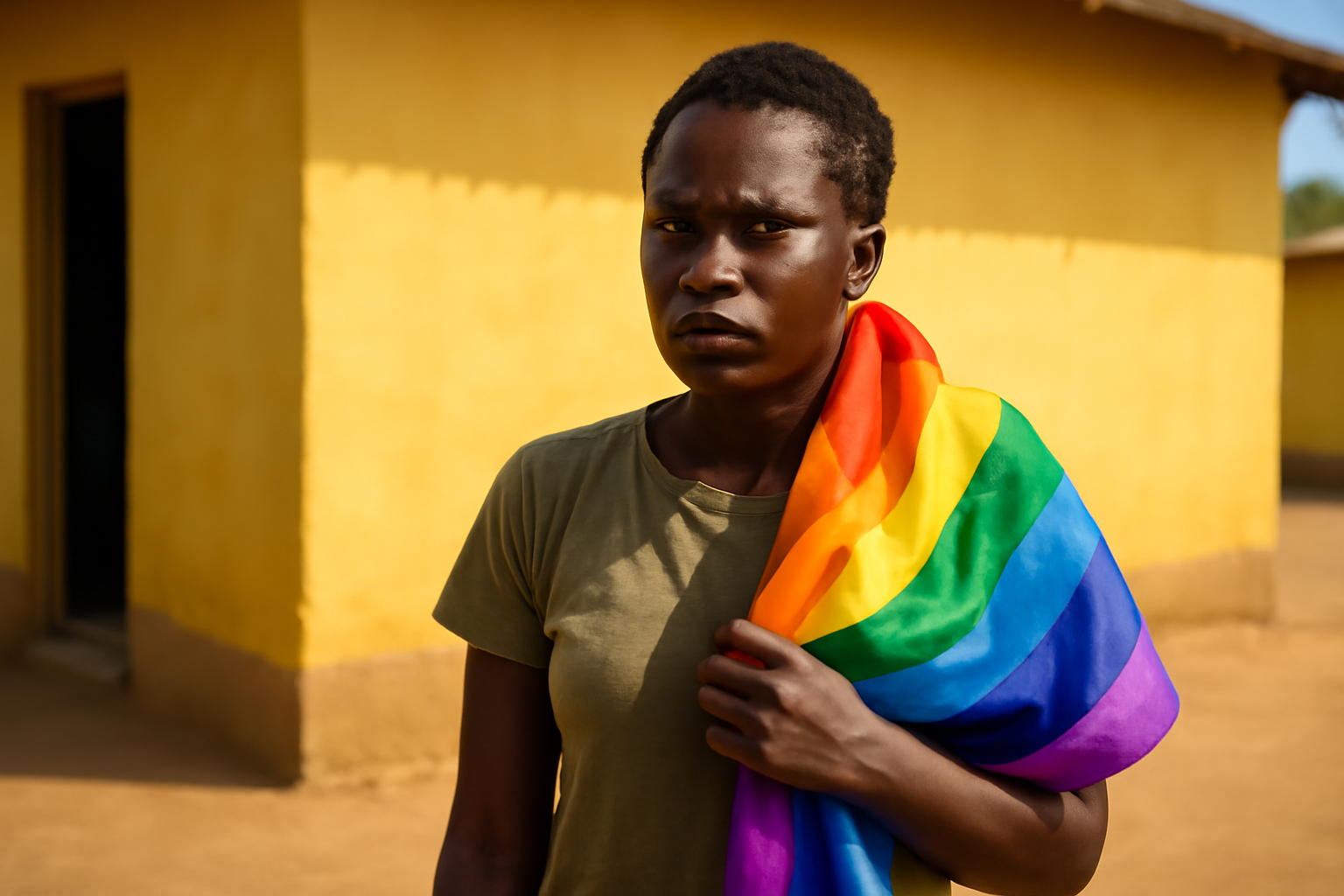
Uncovering struggles: lgbtq+ refugees in South Sudan
As June 20th and World Refugee Day approaches, global discussions often turn towards war, displacement, and humanitarian aid. However, one critical issue often remains in shadow: LGBTQ+ refugees and asylum seekers in South Sudan, particularly those in Gorom Refugee Settlement, endure relentless struggles, largely ignored by international headlines and political agendas.
Stories from persecution and escape
The stories these refugees bring with them are heart-wrenching. They've fled persecution in Uganda, Rwanda, Burundi, Democratic Republic Congo, Ethiopia, and Sudan. In these places, being LGBTQ+ often means living in constant danger from governments, communities, and even family members. Many initially found refuge in Kenya, but when threats followed them there, they crossed over South Sudan, hoping safety—a hope that was unfortunately crushed quickly.
A vicious cycle: fear and flight
Their journeys away from persecution reveal just how deeply systemic discrimination runs against LGBTQ+ people. They've faced accusations witchcraft, imprisonment, forced "conversion" attempts, and physical attacks. Life has been a constant battle just seeking acceptance and safety.
Lesbian women forced marrige and "corrective" violence, while gay men endure arrests and humiliations. Transgender individuals denied dignity, often losing access medical care and experiencing brutal assaults. Bisexual and queer kids experience rejection and violence at home. All these hardships push many seek refuge, only find new threats looming.
Kenya was once sanctuary, but rising hostility made it unsafe. Violence in refugee camps surged, with authorities often turning a blind eye. Facing renewed danger, many fled South Sudan, unaware they were trading one perilous situation another.
Living in Gorom: danger and neglect
In Gorom, LGBTQ+ refugees face daily verbal and physical abuse, economic isolation, and state neglect. They're attacked by fellow refugees and locals, often denied basic services if perceived as queer. Clinics refuse them care, and those with HIV face additional stigma and lack medication.
There's no safe housing. Couples pretend be siblings avoid separation or worse. For some, basic survival requires dangerous compromises. Queer women often turn survival sex work, increasing their risks sexual assault and HIV, yet find help when seeking support.
Despite a SOGIESC assessment in early 2024 documenting these abuses, bureaucratic delays and confusion have left urgent needs unmet. Every plea help seems vanish, deepening their sense abandonment.
Steps forward and urgent calls
Despite massive challenges, there has been some progress. The Commission Refugee Affairs in South Sudan extended tolerance LGBTQ+ refugees in Gorom as December 2023. But this relief might be short-lived, with an eviction order set hit on June 20, World Refugee Day, and no plans safely relocate them.
Organizations like UNHCR in South Sudan and advocacy groups such as Rainbow Railroad have been pivotal allies, raising awareness and providing support. But their work often gets bogged down by slow processes and lack coordination, leaving many without timely aid.
Daniella, a 24-year-old trans woman, recounts being beaten wearing jeans deemed "too tight." Joseph shares how his partner was attacked at a water point, despite being on a protection list. Amina, an HIV-positive lesbian mother, describes ridicule faced at a clinic. These stories highlight just how urgently change needed.
Demanding equality and protection
LGBTQ+ refugees aren't asking special treatment; they want equal protection under humanitarian principles. They're urging UNHCR and partner organizations prioritize their safety, create safe shelters, involve them in policy-making, and provide inclusive medical and mental health services. Fast-tracking resettlement paths, especially those in crisis, essential.
This World Refugee Day, let's not forget that these individuals are more than just refugees. They're LGBTQ+ survivors deserving dignity and protection. The global community must step up, listen, and ensure justice all.
These poignant stories serve as a compelling call action, pushing international community address unique challenges faced by LGBTQ+ refugees and asylum seekers in South Sudan. They deserve live without fear, be acknowledged, and have their rights respected.
Related Posts
Supreme Court to Address State Bans on Trans Women in Female Sports
The upcoming U.S. Supreme Court term promises to be a pivotal moment for transgender rights, as the nation's highest court has agreed to evaluate whether states have the authority to prohibit transgender women from participating in female sports competitions. This case, scheduled to be argued in the next term beginning October, is expected to have a significant impact on the future of sports inclu [...]
Megan Rapinoe and Sue Bird Announce Amicable Separation After Ten Years Together
In a heartfelt announcement that resonated deeply within the sports and LGBTQ+ communities, soccer star Megan Rapinoe and basketball legend Sue Bird have revealed their decision to part ways after nearly a decade together. The couple, who have been icons both on and off the field, shared the news with their fans through a joint statement on social media, expressing that the choice was made with mu [...]
Groundbreaking Ruling Ends Sodomy Ban for Police and Military in the Dominican Republic
The Constitutional Court of the Dominican Republic recently delivered a landmark decision on November 18th, ruling that the nation’s police and armed forces are not permitted to criminalize consensual same-sex relations among their personnel. This pivotal ruling is a significant stride towards equality and the protection of LGBTQ+ rights within these institutions. A Resounding Victory for Equal [...]