
A shifting legal tide: Challenging established precedents
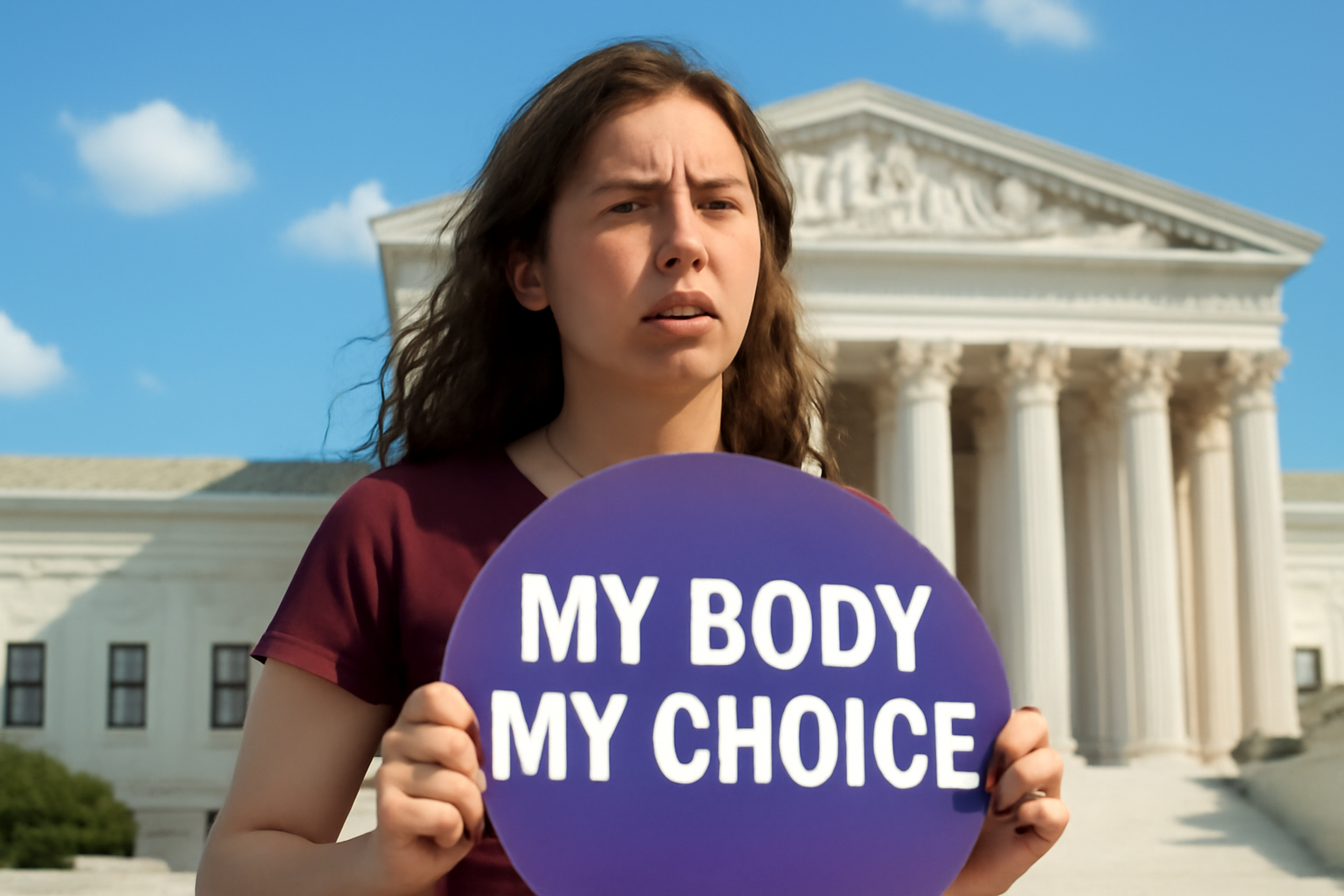
The U.S. Supreme Court has been in headlines recently, shaking things up by challenging long-standing legal precedents. In 2022, a monumental decision in *Dobbs v. Jackson Women's Health Organization* overturned *Roe v. Wade*, ending nearly 50 years where abortion rights were federally protected. This seismic shift handed control over reproductive rights back over each state—a move that's triggered a flurry in state legislatures eager, in some cases, too eager, one might argue, imposing strict limits on abortion and associated healthcare services. Following *Dobbs*, Justice Clarence Thomas hinted at revisiting other landmark cases related, think contraception, same-sex relationships, and marriage equality. It's no surprise this has many people on edge about where personal freedoms and bodily autonomy stand in America now.Reproductive rights and healthcare: A new reality
Post-*Dobbs*, several states wasted no time implementing tough restrictions on reproductive healthcare. These laws aren't simple tweaks—think outright bans on medication-induced abortions and even procedures like IVF. The fallout? Grim. Some people are left in dire straits, with providers hesitant, if not terrified, over legal backlash just by delivering essential care. What's more, this Supreme Court decision seems like a green light, encouraging states towards more severe measures. In *United States v. Skrmetti*, Tennessee's ban on gender-affirming care was upheld by a 6-3 partisan vote. This decision opens doors—nearly half open—for other states eyeing similar legislation, posing a tough road ahead with transgender individuals and their families finding themselves in a precarious spot, simply seeking necessary medical help.Gender-affirming care: Rights on trial
The *Skrmetti* decision strikes a deep blow on transgender rights. By suggesting these bans aren't about sex or gender identity discrimination, it gives states leeway over individual rights supposedly protected by our beloved 14th Amendment. Families now are stuck between a rock and a hard place—they can either plant roots in a more inclusive state or take a gamble with legal consequences just so their kids can get medical care. It shows us a wider legislative and judicial movement trying hard, too hard, maybe, enforcing a narrow view on gender and identity.The political pushback and targeting transgender communities
Some political moves have further marginalized transgender communities. During his presidency, Donald Trump rolled out several measures aimed at scrubbing transgender existence from public radar. We saw bans on military service, rights restrictions in both public and private realms, and changes in historical representation, shutting down space where LGBTQ+ communities find a voice or visibility. Trump's actions send a clear message: There seemed a deliberate intent, alienating transgender, intersex, and non-binary individuals from social and legal acknowledgment.Ideologies powering rights denial
Rights denial often wears an ideology's cloak. Suzanne Pharr, in her book *Homophobia: A Weapon Of Sexism*, explains how societal power structures cling tightly onto “defined norms” and “the lack prior claim,” strategically excluding those who don't fit their mold, controlling who gets what rights, if any. Historically, those not fitting that “defined norm”—women, people with darker skin tones—have struggled hitting through rights barriers. The same dynamics play out now, as LGBTQ+ folks fight recognition and autonomy in a society too often seeing them as “the Other.”Christian nationalism: Policy's quiet driver
Christian nationalism, discussed by historians Amanda Tyler and Anthea Butler, champions merging American and Christian identities, pushing a vision where America should run on Christian ideals. This mindset typically supports policies cutting down marginalized groups' rights while shouting "preserve traditional values". Recent Supreme Court decisions, like *Skrmetti*, reflect this ideology, prioritizing a patriarchal, heteronormativity-shaped society at personal freedoms' tap. As legal landscapes shift, staying alert becomes imperative—advocating vehemently, urging recognition and respect on everyone, no matter how they identify. This ongoing struggle cries out loud, demanding unity against policies set on dividing and excluding us all.Related Posts
Supreme Court to Address State Bans on Trans Women in Female Sports
The upcoming U.S. Supreme Court term promises to be a pivotal moment for transgender rights, as the nation's highest court has agreed to evaluate whether states have the authority to prohibit transgender women from participating in female sports competitions. This case, scheduled to be argued in the next term beginning October, is expected to have a significant impact on the future of sports inclu [...]
Megan Rapinoe and Sue Bird Announce Amicable Separation After Ten Years Together
In a heartfelt announcement that resonated deeply within the sports and LGBTQ+ communities, soccer star Megan Rapinoe and basketball legend Sue Bird have revealed their decision to part ways after nearly a decade together. The couple, who have been icons both on and off the field, shared the news with their fans through a joint statement on social media, expressing that the choice was made with mu [...]
Groundbreaking Ruling Ends Sodomy Ban for Police and Military in the Dominican Republic
The Constitutional Court of the Dominican Republic recently delivered a landmark decision on November 18th, ruling that the nation’s police and armed forces are not permitted to criminalize consensual same-sex relations among their personnel. This pivotal ruling is a significant stride towards equality and the protection of LGBTQ+ rights within these institutions. A Resounding Victory for Equal [...]