
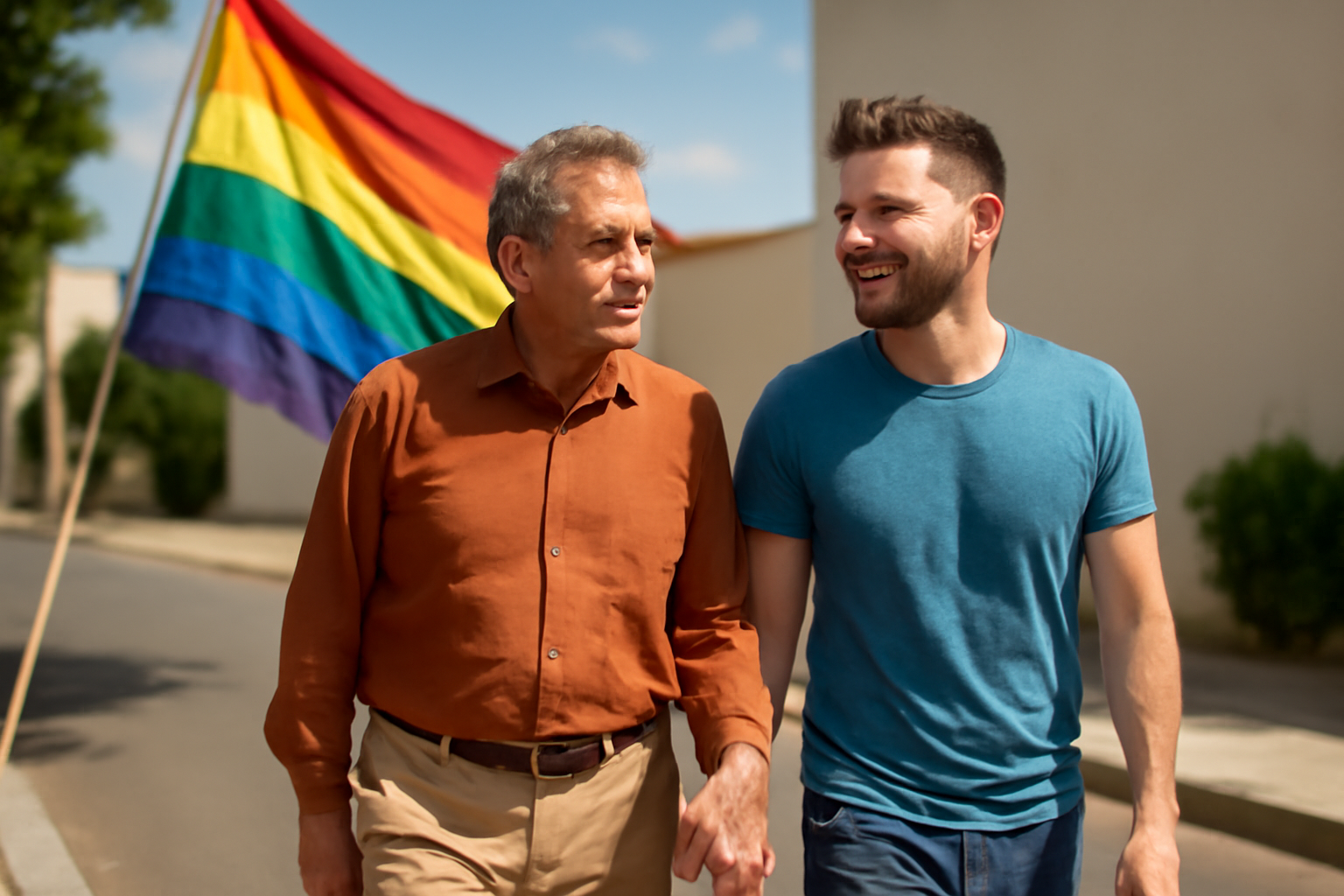
The journey towards decriminalizing same-sex sexuality in America has been anything but easy, strewn with persistent inequality and entrenched societal norms. Let me take you through how attitudes and laws around same-sex relationships in Western culture have evolved, reshaping both legal and social landscapes over time.
Understanding heterosexism and its impact
Heterosexism, which means favoring heterosexual norms within our institutions, shows up in many ways that give a leg up only if you're straight. It sidelines and forgets about LGBTQ+ folks—like lesbians, gay men, bisexuals, asexuals, transgender, and intersex people—by ignoring their cultures, needs, and histories. This kind? It's sneaky, deeply rooted in our laws and how our society ticks, making it tough on those who don't fit these 'traditional' molds.
Exploring Western perspectives on same-sex sexuality
Let's focus on how Western history has viewed same-sex sexuality. It's important, though, not all cultures see things this same Western-angled lens. Legal setups and societal views on same-sex sexuality have often been leagues apart from those about gender diversity. Within these communities, support and rights have never been equal, and transgender individuals have often faced extreme violence and political scapegoating. It's a stark reality.
Historical legal landscapes and changing attitudes
In those last few decades before Y2K, there were some big court showdowns against laws that criminalized same-sex acts. Like in 1986, when a U.S. Supreme Court decision upheld Georgia's anti-sodomy law in a case called Bowers v. Hardwick. Talk about a decision steeped in age-old prejudices from religious and historic traditions. Chief Justice Warren Burger's ruling even leaned on views ingrained in Judeo-Christian teachings and ancient Roman laws.
Going back a couple thousand years, we see these laws' roots in ancient Rome, where such acts were condemned, laying down centuries-old groundwork that Western nations later built upon with harsh penalties.
From acceptance in ancient times, shifting toward intolerance
Think about this: relationships back in Classical Greece were pretty much accepted. But come Roman times and early Christianity, and acceptance took a nosedive. When Christianity became Rome's state religion under Constantine I, intolerance soared. Laws against same-sex sexuality popped up all over, largely symbolic or rarely enforced, yet they set a legal precedent that shaped future frameworks.
Medieval and early modern Europe wove these laws right back in, civil and religion codes alike. Take Emperor Justinian's Corpus juris civilis—it punished same-sex acts harshly, reflecting a broader societal condemnation that tied such practices with divine punishment.
The enduring legacy and legal discrimination
Starting from medieval times, anti-same-sex laws spread through Europe like wildfire. France, under King Louis IX, had some harsh penalties, and England's Buggery Act under King Henry VIII famously called death on such offenses. These rules, heavily tinged with Christian doctrine, shaped many Western nations' legal systems, including colonial America.
In early America, laws echoed Europe's, with records showing people prosecuted since as early as back in 17th-century times. Even Thomas Jefferson, a so-called reformer, suggested penalties that were less brutal but still reflected his era's rigid views.
Progress in legal reform and ongoing challenges
The 20th century ushered in major reforms. The landmark 2003 Lawrence v. Texas Supreme Court ruling toppled state sodomy laws, marking a significant leap forward. Yet even with this progress, full sexual and gender liberation remains a battle. Can you believe nearly 64 countries worldwide still criminalize same-sex relationships? The global struggle persists, often with heartbreaking realities.
So, while there's been real progress towards equality, we're not done yet. The story behind decriminalizing sexuality in Western society shows resilience and dedication by countless activists who've fought tooth and nail. As we look ahead, let's stay vigilant, fighting tirelessly until LGBTQ+ individuals everywhere feel safe, included, and equal.
Join us in remembering those who've paved this path and in continuing their fight toward a more inclusive future where everyone belongs.
Related Posts
Supreme Court to Address State Bans on Trans Women in Female Sports
The upcoming U.S. Supreme Court term promises to be a pivotal moment for transgender rights, as the nation's highest court has agreed to evaluate whether states have the authority to prohibit transgender women from participating in female sports competitions. This case, scheduled to be argued in the next term beginning October, is expected to have a significant impact on the future of sports inclu [...]
Megan Rapinoe and Sue Bird Announce Amicable Separation After Ten Years Together
In a heartfelt announcement that resonated deeply within the sports and LGBTQ+ communities, soccer star Megan Rapinoe and basketball legend Sue Bird have revealed their decision to part ways after nearly a decade together. The couple, who have been icons both on and off the field, shared the news with their fans through a joint statement on social media, expressing that the choice was made with mu [...]
Groundbreaking Ruling Ends Sodomy Ban for Police and Military in the Dominican Republic
The Constitutional Court of the Dominican Republic recently delivered a landmark decision on November 18th, ruling that the nation’s police and armed forces are not permitted to criminalize consensual same-sex relations among their personnel. This pivotal ruling is a significant stride towards equality and the protection of LGBTQ+ rights within these institutions. A Resounding Victory for Equal [...]