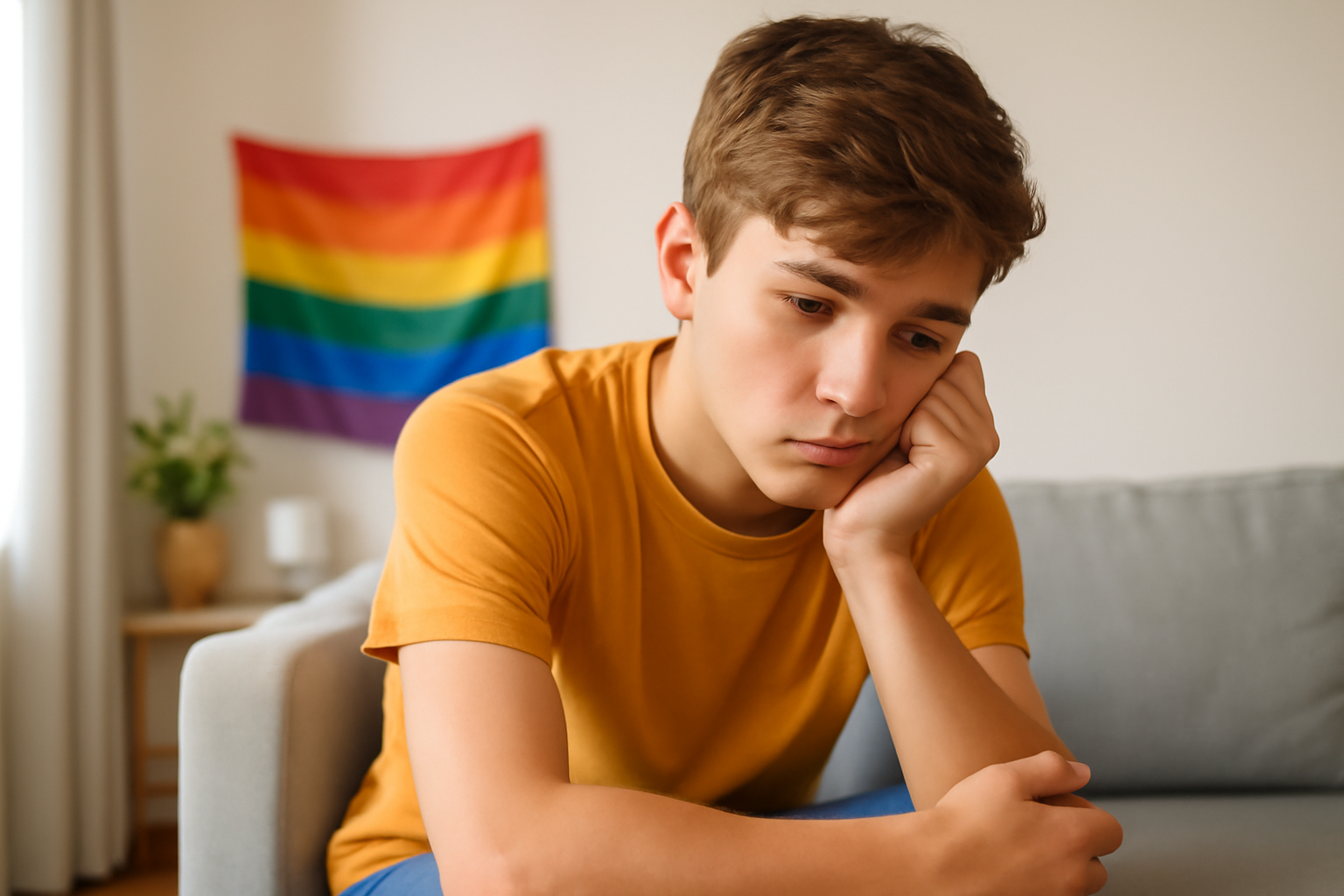
Have you ever felt so disconnected from yourself that you wished you could just be someone else entirely?
I know that feeling all too well. It was my reality, night after night.
## Living in a hidden struggle: The life as a closeted LGBTQ+ teen
Growing up as a closeted gay teenager in a deeply religious home was tough. I spent years trying in vain, using prayer as a tool, hoping it would somehow 'fix' me and make me worthy enough in my family's eyes.
Fast forward, and I'm now proud and privileged enough that I get work as an Advocacy Manager at The Trevor Project, an amazing organization dedicated specifically towards suicide prevention and crisis intervention among LGBTQ+ youth. Getting here wasn't easy—I faced severe battles with depression, overwhelming shame, and even entertained haunting thoughts that maybe everyone would be better off without me around. Could anyone really get what that feels like?
## A heartbreaking setback: What funding cuts mean
It devastates me that recent policy changes have cost The Trevor Project its partnership with 988, our national suicide prevention hotline. Now, LGBTQ+ youth reaching out through 988 won't be met with counselors who truly grasp their unique struggles. This isn't just a funding issue; it signals a dangerous roadblock that risks isolating those who already feel alone.
## Growing up feeling isolated
My family was loving and hardworking. My mom worked tirelessly, even sending me off with fresh opportunities at a private Catholic school. But even there, in such a conservative setting, my self-worth chipped away. Gay teachers were fired, same-sex prom dates forbidden, and I heard anti-LGBTQ+ messages everywhere, even during mandatory religion classes. I remember during election season in 2012, an announcement echoed through school, asserting, "We have a moral duty" towards candidates preaching traditional marriage. That same week, I was outed.
A circulating “Most Likely To Be Gay” list held my name at its top. What hurt more was a close friend inadvertently let slip my secret. By lunch, every whisper, every turned head—I knew their silence spoke volumes.
I was alone in every sense as my school stood as my only openly gay student.
## Finding a lifeline and reaching out
Not wanting my mom, already making sacrifices, burdened with my issues, I withdrew. I sought guidance from priests, confessed my struggle multiple times, and prayed hard—all without relief from my self-loathing.
Things spiraled. I lost my appetite, sleep evaded me, and some days I wished not waking up was an option. An English teacher I confided in, sensing my struggle, urged me towards my mom. Armed with an online “How To Come Out” guide, terrified, I shared my truth.
Her tears, intense and immediate, came with fears that stung deep, fears about HIV, and she abruptly left, needing space. I cried myself sick, feeling isolated in rejection. But it wasn't hatred she showed, just fear. Over time, I understood—it touched on society's false narrative that being gay equated tragedy. She feared I'd lose out on a life she envisioned.
## Discovering hope: The Trevor Project's influence
Having never met another openly gay person, loneliness felt unbearable. Desperation led me online, where a “Is it okay being gay?” search led me directly towards The Trevor Project. A call, 1-866-488-7386, patched me through with someone who listened, who genuinely understood. For once, I felt seen, heard.
That call didn't just help; it saved my life.
Over time, my understanding circle grew—friends, even my mom participated in LGBTQ+ pride events. Love found its place; I married Tony, my partner in love and life.
Without The Trevor Project, I might never have believed in happiness or love being a tangible possibility.
## The urgent need: Support and advocacy
My story shines light on how critical it was ending The Trevor Project's specialized service via 988. Over 1.5 million LGBTQ+ youth benefitted from these life-saving services, which are now in jeopardy, escalating risk among those in crisis. We're hindered in providing essential support due, and it couldn't come at a worse time, a time when resources are needed most.
Despite political divides, at heart, everyone desires young people safe and thriving. It should be about people, not politics.
If you've ever needed support, or you agree no child should ever endure this alone, consider supporting us: sign our petition defending 988 or donate if you can.
Let The Trevor Project remain a beacon when that scared child googles, “Is it okay being queer?” We can't let that light go out.
If this story resonates with you, you're not alone. The Trans Lifeline Hotline offers peer support at (877) 565-8860, and The Trevor Project Lifeline remains open at (866) 488-7386.
Stay informed about pivotal changes affecting LGBTQ+ communities globally by subscribing.
