
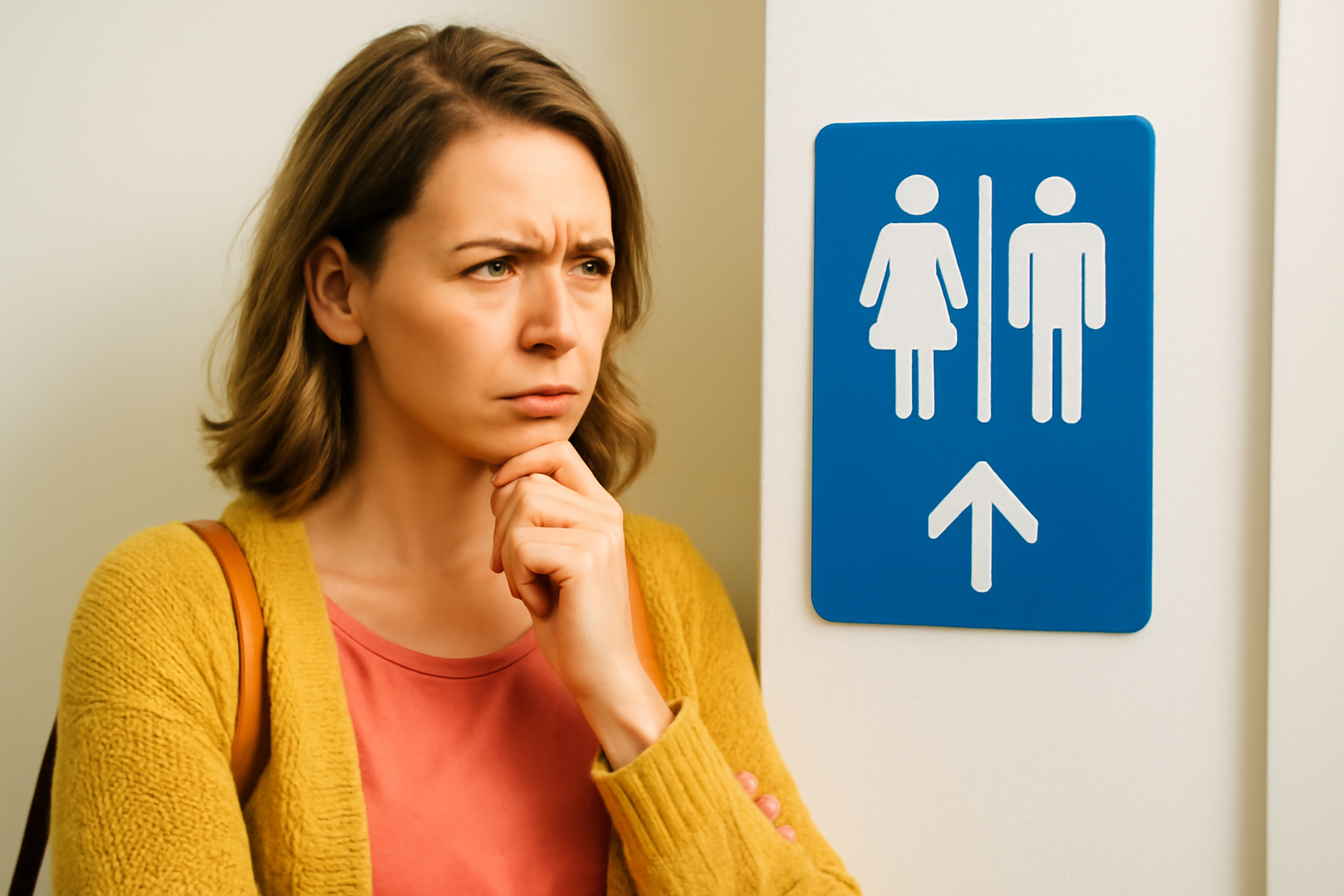
The historical context behind transgender bathroom bans
Today, when we look at bathroom bans targeting transgender individuals, it's important we place them within a historical framework. They're not just a new wave; they're echoing old methods used against different groups—like women once were.What transgender bathroom bans are really about
Since North Carolina rolled out H.B. 2 in 2016, some have championed these bathroom bans as protective measures, supposedly safeguarding women. But those claims have been busted repeatedly. The reality? These bans are about spreading fear and marginalizing transgender individuals, keeping them from fully participating in society. Just like when women lacked restroom facilities, making it hard—and sometimes impossible—for them simply go out.The impact on everyday life
For transgender individuals, using public bathrooms isn't a simple act; it's often fraught with risks—whether that's violence, legal trouble, or harassment. Picking a restroom that matches their gender identity could lead straight down a path filled with danger, while opting otherwise might result in being outed or worse. In places where bathroom bans are set in stone, just trying figure out where you can legally go involves wading through a swamp complicated jargon. And let's not pretend that places without these laws are safe havens, as public rhetoric can make any restroom feel unwelcoming. This inability stifles their participation in daily life. Social gatherings become risky, shopping trips short-lived, and jobs hard sustain without supportive policies. At school, transgender students face significant challenges; imagine trying survive a full day without bathroom access. Even in places like U.S. Capitol, these bans limit political engagement, forcing people hunt down scarce unisex restrooms or leave altogether.Signs we're moving in right direction
Yet, amid these hurdles, there's light on horizon. Just as society gradually acknowledged women's roles and started installing more ladies' rooms, we're seeing shifts that could benefit transgender individuals too. The recent elections provide some hope; public seems tired anti-trans narratives. In Omaha, voters rejected a mayoral candidate inciting anti-trans policies—a promising indicator that people are turning against these discriminatory stances. And let's be honest, when cisgender folks are kicked out restrooms due gender non-conformity, it shows just how ridiculous these bans are. There's no real proof tying trans-inclusive policies increased violence, debunking predator myths.The broader effects
Bathroom bans are a smokescreen focusing blame on transgender people while ignoring more pressing issues. They're part a larger agenda aimed at erasing transgender presence from public life, limiting healthcare access, and censoring education about gender diversity. In any functioning society, accessible public restrooms are a must. Denying this access effectively excludes people from social participation. Despite being disguised as safety measures, these bans pose a significant threat equality. Keeping up-to-date LGBTQ+ issues and engaging in discussions on these vital topics can be useful—maybe even necessary.Related Posts
Supreme Court to Address State Bans on Trans Women in Female Sports
The upcoming U.S. Supreme Court term promises to be a pivotal moment for transgender rights, as the nation's highest court has agreed to evaluate whether states have the authority to prohibit transgender women from participating in female sports competitions. This case, scheduled to be argued in the next term beginning October, is expected to have a significant impact on the future of sports inclu [...]
Megan Rapinoe and Sue Bird Announce Amicable Separation After Ten Years Together
In a heartfelt announcement that resonated deeply within the sports and LGBTQ+ communities, soccer star Megan Rapinoe and basketball legend Sue Bird have revealed their decision to part ways after nearly a decade together. The couple, who have been icons both on and off the field, shared the news with their fans through a joint statement on social media, expressing that the choice was made with mu [...]
Groundbreaking Ruling Ends Sodomy Ban for Police and Military in the Dominican Republic
The Constitutional Court of the Dominican Republic recently delivered a landmark decision on November 18th, ruling that the nation’s police and armed forces are not permitted to criminalize consensual same-sex relations among their personnel. This pivotal ruling is a significant stride towards equality and the protection of LGBTQ+ rights within these institutions. A Resounding Victory for Equal [...]