
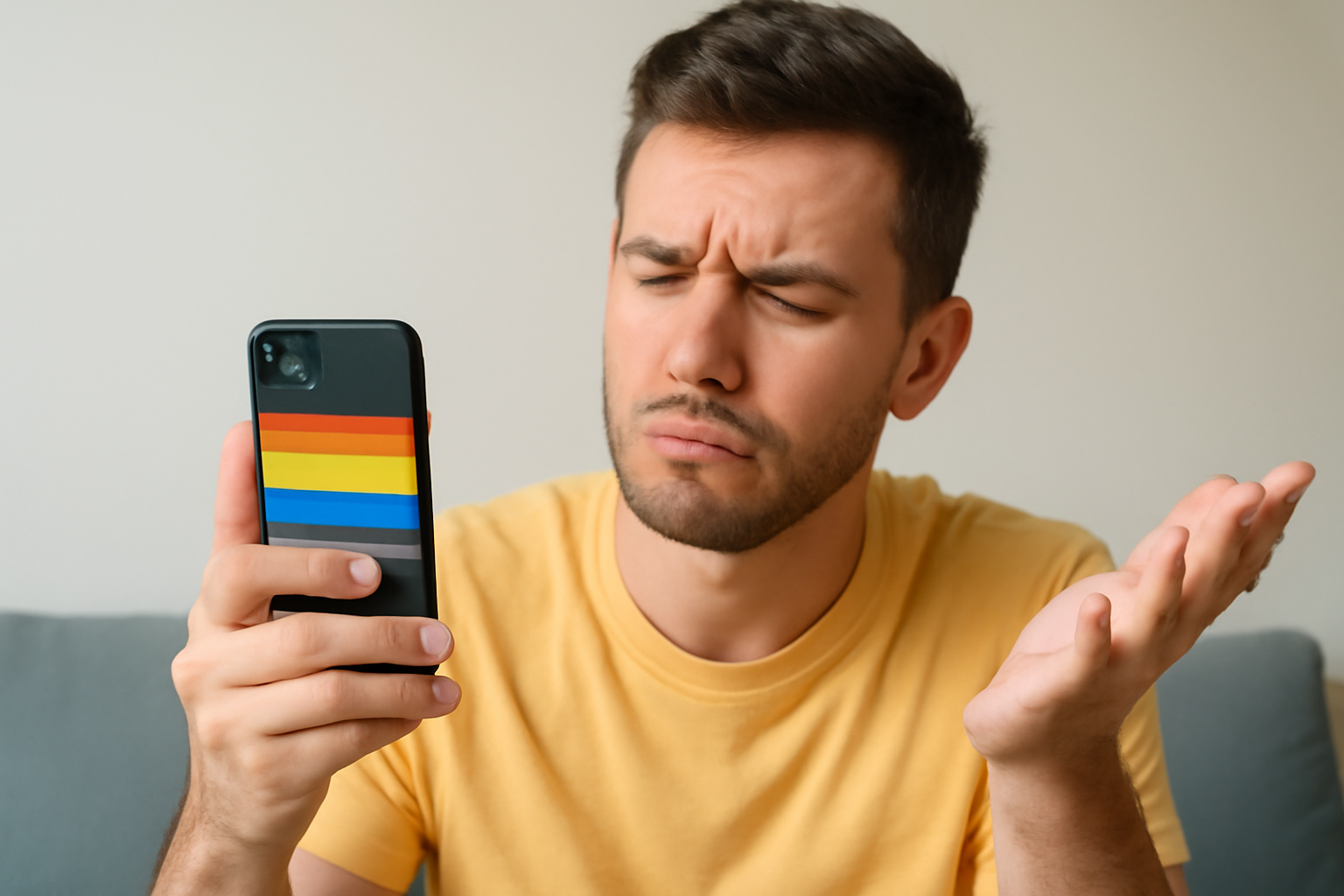
The evolving meaning behind "Who Cares?" in LGBTQ+ conversations
You know that phrase "Who cares?"
For many folks in LGBTQ+ circles, this sentiment can be a source relief when coming out. Ideally, it comes with affirmations like "I love you no matter what" or "We'll always be friends." The message? Simple: who you love doesn't change how your loved ones feel about you.
But lately, there seems there's been a shift, especially on social media. Here, "Who cares?" or "I don't care" have taken on a darker, more insidious tone. How did a phrase meant as support become a tool against LGBTQ+ folks?
The good intentions behind "Who Cares?"
When a friend or family member says that your sexual orientation or gender identity doesn't matter, they're usually trying their best. It's their attempt at saying, "Hey, it's cool, I'm still here." They mean well, even if they don't have all answers. It's about showing love, even without fully understanding your journey.
In those tender moments, loved ones might struggle with words. They might say something like, "I don't fully get it, but I love you anyway." Despite their struggle, their hearts are often in right place, offering comfort where it's needed most.
How "Who Cares?" turned sour in online spaces
The internet, with its anonymity, has become breeding ground where subtle hate can thrive. Back in day, folks might've used blatant slurs without fear. Now, there are real consequences on platforms like Twitter. So, some have shifted tactics.
The phrase "Who cares?" has emerged as one such tactic. It's common in comment sections, aimed at sidelining LGBTQ+ stories and achievements, effectively saying, "You're not important."
This phrase often comes from those outside LGBTQ+ community, possibly holding more conservative or traditional views. It's a veiled effort at silencing voices and dismissing lived experiences.
Spotlight on hidden biases
While "Who cares?" might not get flagged like overt hate speech, its impact can be just as harmful. The intent here? To make LGBTQ+ identities seem less significant or not worth discussing.
This dismissal frequently pops up after stories about LGBTQ+ public figures or athletes sharing their journeys. It's a modern-day tactic by a minority uncomfortable with growing visibility and acceptance.
Take, say, an athlete who makes headlines not just winning a medal, but also sharing their identity. Those covert responses aim at dulling impact, essentially saying, "Stay hidden. You're not welcome here."
Pushing back with community strength
Despite these challenges, LGBTQ+ community and allies are standing stronger and speaking louder than ever. For every dismissive "Who cares?", there are countless voices offering genuine support and acceptance.
We must call out these coded messages, recognizing them as attempts at stalling progress. By understanding underlying intent, we can rally together, creating spaces where everyone feels safe and seen.
Let's amplify LGBTQ+ voices even more, celebrating their shared stories. Our collective support far outweighs any attempt at silencing.
Related Posts
Supreme Court to Address State Bans on Trans Women in Female Sports
The upcoming U.S. Supreme Court term promises to be a pivotal moment for transgender rights, as the nation's highest court has agreed to evaluate whether states have the authority to prohibit transgender women from participating in female sports competitions. This case, scheduled to be argued in the next term beginning October, is expected to have a significant impact on the future of sports inclu [...]
Megan Rapinoe and Sue Bird Announce Amicable Separation After Ten Years Together
In a heartfelt announcement that resonated deeply within the sports and LGBTQ+ communities, soccer star Megan Rapinoe and basketball legend Sue Bird have revealed their decision to part ways after nearly a decade together. The couple, who have been icons both on and off the field, shared the news with their fans through a joint statement on social media, expressing that the choice was made with mu [...]
Groundbreaking Ruling Ends Sodomy Ban for Police and Military in the Dominican Republic
The Constitutional Court of the Dominican Republic recently delivered a landmark decision on November 18th, ruling that the nation’s police and armed forces are not permitted to criminalize consensual same-sex relations among their personnel. This pivotal ruling is a significant stride towards equality and the protection of LGBTQ+ rights within these institutions. A Resounding Victory for Equal [...]