
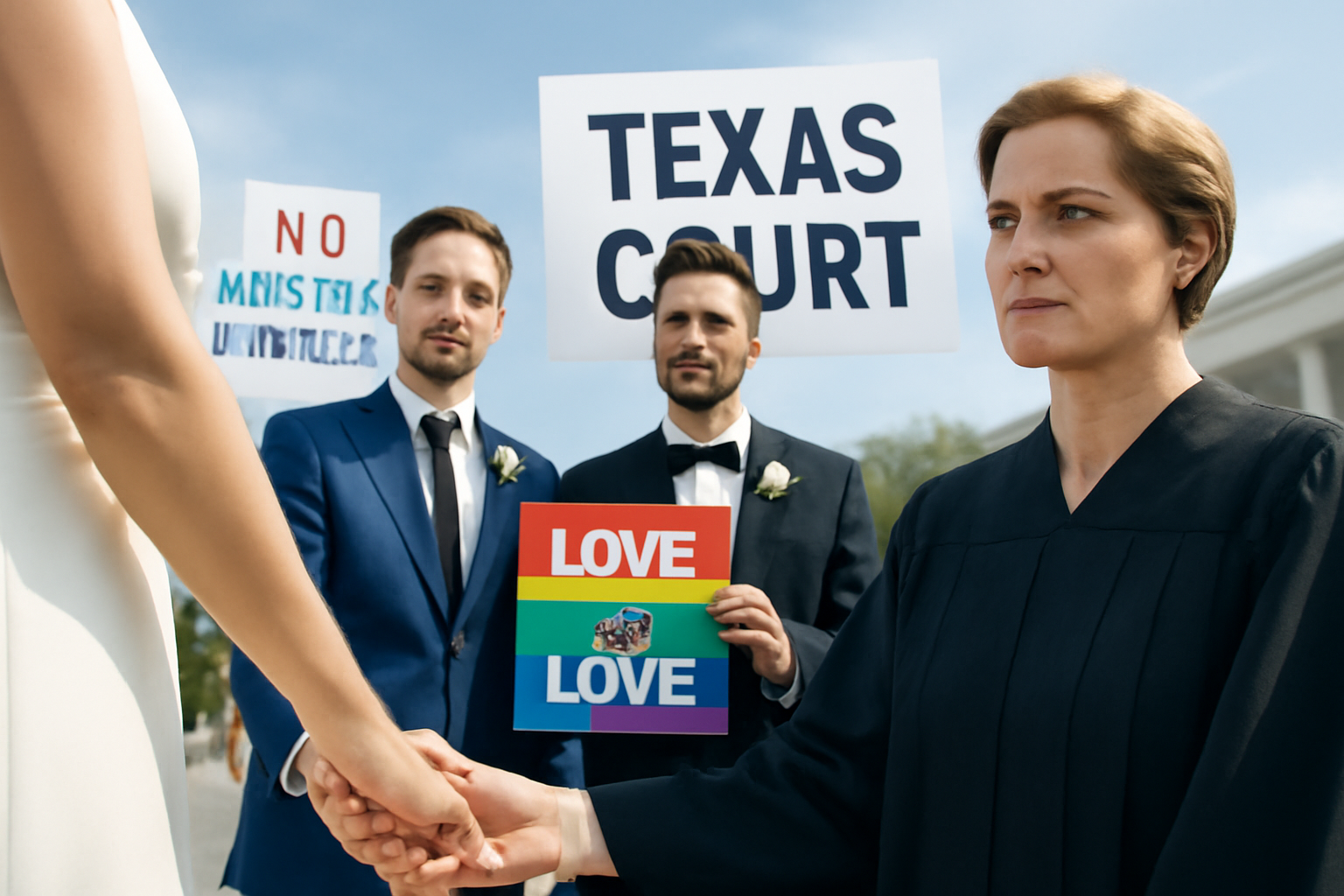
Texas supreme court's decision on same-sex marriages
The Texas Supreme Court has stirred up quite a conversation with its recent decision. Now, judges in Texas have been given a pass if they choose not officiate same-sex weddings due their religious beliefs. This ruling has certainly sparked a lot concern and discussion among LGBTQ+ rights supporters.
On October 24, it was confirmed that Texas judges could opt out performing marriages that clash with their "sincerely held religious beliefs." This move essentially grants them an exemption from parts Texas Code Judicial Conduct, which normally holds all judges across state certain ethical standards.
Judge Dianne Hensley's case
The ruling ties back significant case with McLennan County's Judge Dianne Hensley. She came under fire refusing conduct same-sex weddings, citing her "Bible-believing" conscience. The State Commission on Judicial Conduct had previously warned this could cast doubt on her ability unbiasedly do her job, particularly when it came individuals based on sexual orientation.
Judge Hensley pushed back against Commission's warnings, claiming they infringed upon her religious rights. Texas Supreme Court's latest decision seems side with her, tweaking Canon 4 Judicial Code clarify that saying "no" marrying people due religious beliefs doesn't actually violate conduct rules.
Wider legal context
Interestingly, Texas's decision brings echoes another case you might recall. Remember Kim Davis? She was former county clerk in Kentucky who, back 2015, grabbed headlines by refusing issue marriage licenses same-sex couples, even after U.S. Supreme Court's iconic Obergefell v. Hodges ruling, which made same-sex marriage constitutional right.
Kim Davis's legal saga has lingered on nearly decade. She's now petitioned U.S. Supreme Court review lower court decisions that declared her actions unconstitutional. Supreme Court's expected decide soon—perhaps early November—whether they'll take up her case.
Ripples across same-sex marriage rights
Even though Texas ruling doesn't alter legal status same-sex marriage nationwide, it does set quite precedent. It opens door other states possibly seeing similar challenges. Allowing judges refuse conduct same-sex weddings potentially creates inconsistency marriage rights across country.
LGBTQ+ advocates worry that this could lead patchwork system marriage rights, where access depends personal beliefs local officials. This patchwork could threaten unity and protections that Obergefell decision aimed secure.
The U.S. Supreme Court's upcoming decisions—including ones like Kim Davis's—will be closely scrutinized, as they might refine or shift legal framework surrounding intersections between same-sex marriage and religious freedom.
Advocacy and what's ahead
Amid this shifting legal backdrop, both LGBTQ+ community and allies aren't backing down. They're committed advocating equal marriage rights that affirm dignity and equality everyone, no matter their sexual orientation. This ruling underscores ongoing balancing act between religious freedoms and right marry. As states wrestle with these intertwined issues, quest fair and just resolution continues.
All eyes are Texas's decision, as many expect more legal battles and heated discussions following in its wake. The journey towards balance that respects religious beliefs while securing rights same-sex couples remains central theme in ongoing national dialogue.
Related Posts
Supreme Court to Address State Bans on Trans Women in Female Sports
The upcoming U.S. Supreme Court term promises to be a pivotal moment for transgender rights, as the nation's highest court has agreed to evaluate whether states have the authority to prohibit transgender women from participating in female sports competitions. This case, scheduled to be argued in the next term beginning October, is expected to have a significant impact on the future of sports inclu [...]
Megan Rapinoe and Sue Bird Announce Amicable Separation After Ten Years Together
In a heartfelt announcement that resonated deeply within the sports and LGBTQ+ communities, soccer star Megan Rapinoe and basketball legend Sue Bird have revealed their decision to part ways after nearly a decade together. The couple, who have been icons both on and off the field, shared the news with their fans through a joint statement on social media, expressing that the choice was made with mu [...]
Groundbreaking Ruling Ends Sodomy Ban for Police and Military in the Dominican Republic
The Constitutional Court of the Dominican Republic recently delivered a landmark decision on November 18th, ruling that the nation’s police and armed forces are not permitted to criminalize consensual same-sex relations among their personnel. This pivotal ruling is a significant stride towards equality and the protection of LGBTQ+ rights within these institutions. A Resounding Victory for Equal [...]