
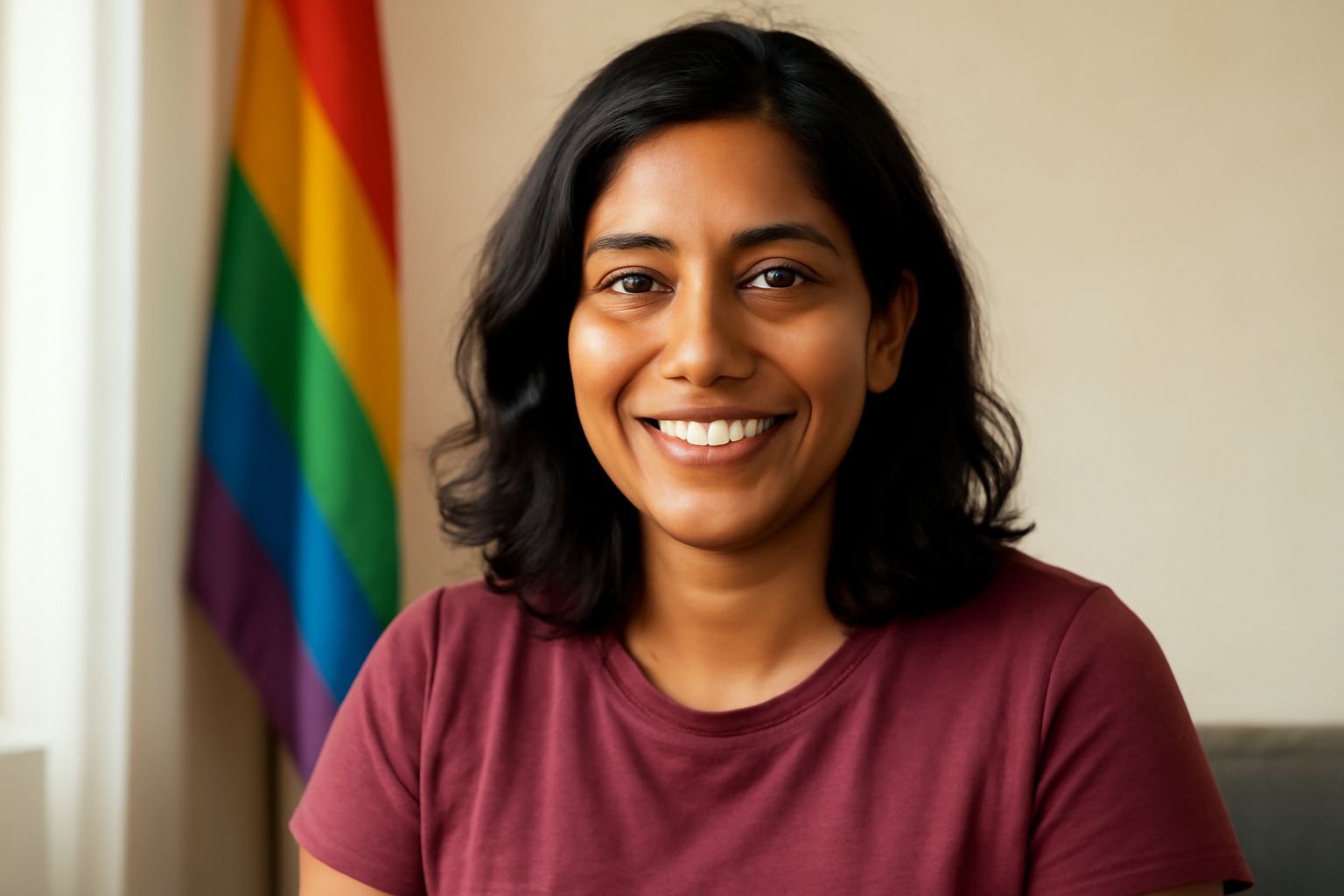
Exploring identity and cultural diversity
Born in America, but moving back and forth between India and her birthplace, Ganesh got a firsthand look at gender norms from different lenses. "I was really surprised by how strict and defined gender roles are in Western cultures," she said, having witnessed a more fluid take on gender roles in India, where a 'third gender' exists. Ganesh explained, "In India, men and women can express themselves with more fluidity," contrasting sharply with America's rigid expectations. This cultural mix inspired her mission—to challenge and redefine narrow gender norms. "I often lean towards a femme presentation," she noted, "but I sometimes find myself stepping away from it, especially when confronting what feels like a very white-centric definition."Inspiration from non-binary role models
Public figures embracing non-binary identities have greatly influenced Ganesh. She felt particularly connected with actress Lily Gladstone, who uses she/they pronouns, which acknowledge third-spirit and two-spirit identities. "Seeing that representation made me feel truly seen," Ganesh shared, realizing there was no need conforming. Ganesh aims at providing this same sense visibility and representation, especially queer individuals from South Asia. "I want queer brown women find a bit themselves in me," she expressed. Declaring her pronouns isn't just personal—it's a public statement: "I'm here. I'm queer. Notice me."Staying true and representing authentically
Ganesh's decision wasn't just a personal one; it's tied deeply with her pursuit being authentic in both her life and work. "My goal," she said, "has always been celebrate authenticity, particularly representing South Asians in art." This commitment authenticity plays a big role on her path as an actor and person. She questioned, "If I'm not being true, then why am I in this industry?" Ganesh's dedication reflects a bigger cultural shift embraced by her generation—Gen Z—where queerness and fluidity find more acceptance. "I love being part this generation that values self-expression," she acknowledged, seeing growing social acceptance, even if laws take time catch up. "It's amazing, and I hope others find their truth, wherever they lie on spectrum." Ganesh's story highlights why representation matters in media. As an actor, she aspires creating works that resonate with diverse South Asian experiences. Her openness offers hope and affirmation many finding their own identity paths.Encouraging connection and understanding
By coming out, Ganesh starts a bigger conversation about identity, culture, and how we perceive gender and sexual orientation. Her story shows how powerful visibility can be in promoting understanding. Continue engaging in these discussions by subscribing our newsletter, staying updated with stories shaping LGBTQ+ communities. Stay informed and connected with us—sign up and be among first receive insights and updates on issues impacting LGBTQ+ people worldwide.Related Posts
Supreme Court to Address State Bans on Trans Women in Female Sports
The upcoming U.S. Supreme Court term promises to be a pivotal moment for transgender rights, as the nation's highest court has agreed to evaluate whether states have the authority to prohibit transgender women from participating in female sports competitions. This case, scheduled to be argued in the next term beginning October, is expected to have a significant impact on the future of sports inclu [...]
Megan Rapinoe and Sue Bird Announce Amicable Separation After Ten Years Together
In a heartfelt announcement that resonated deeply within the sports and LGBTQ+ communities, soccer star Megan Rapinoe and basketball legend Sue Bird have revealed their decision to part ways after nearly a decade together. The couple, who have been icons both on and off the field, shared the news with their fans through a joint statement on social media, expressing that the choice was made with mu [...]
Groundbreaking Ruling Ends Sodomy Ban for Police and Military in the Dominican Republic
The Constitutional Court of the Dominican Republic recently delivered a landmark decision on November 18th, ruling that the nation’s police and armed forces are not permitted to criminalize consensual same-sex relations among their personnel. This pivotal ruling is a significant stride towards equality and the protection of LGBTQ+ rights within these institutions. A Resounding Victory for Equal [...]