
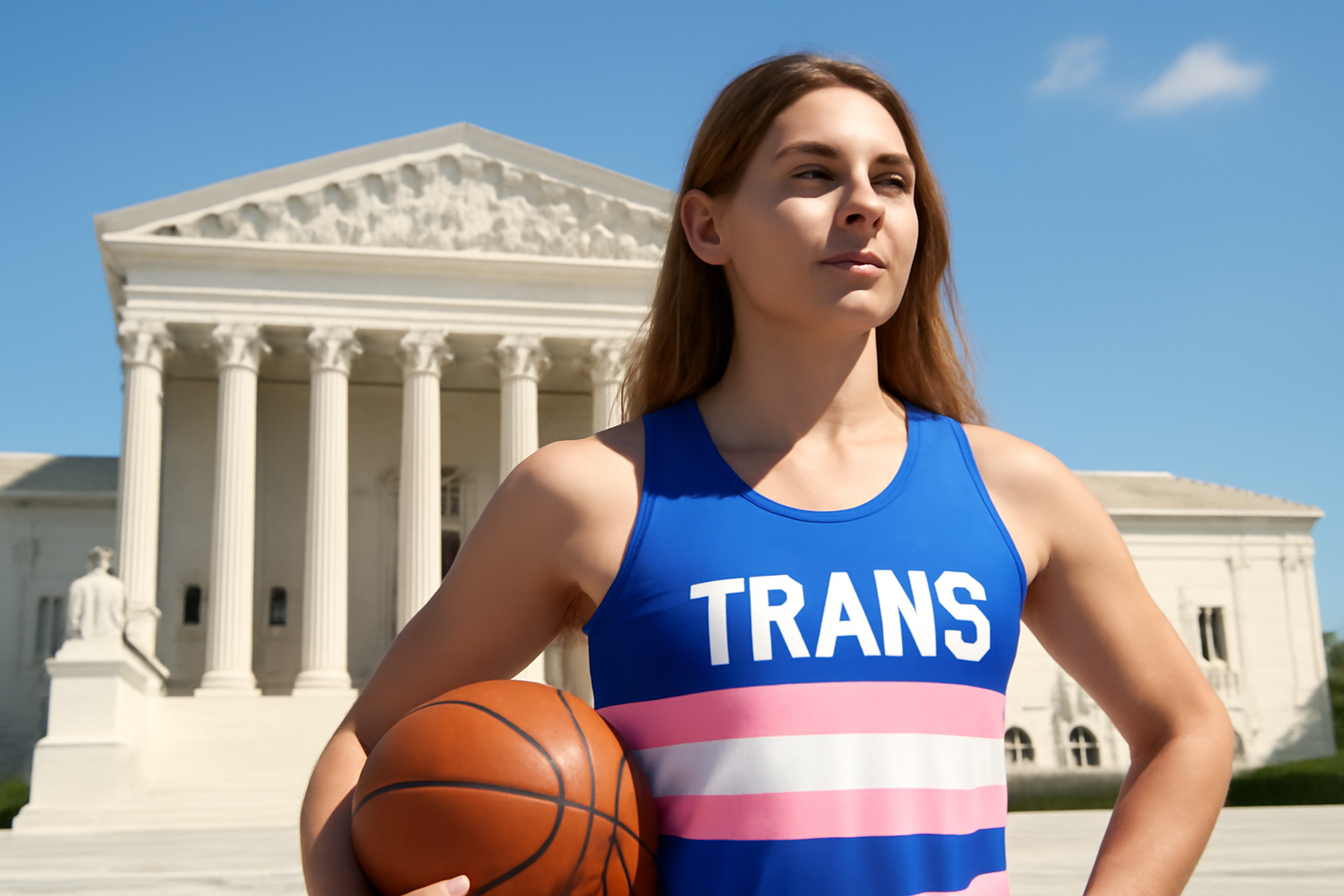
The Supreme Court has decided it will tackle some major cases about whether states can ban transgender women from participating in sports. This could lead us toward a groundbreaking decision that will heavily influence transgender rights across America.
Background on executive actions
Back in October 2024, before he snagged another term, Donald Trump made a big promise: he'd ban transgender athletes from women's sports. True enough, once he settled back in office in February 2025, he signed Executive Order 14201, cheekily dubbed "Keeping Men Out Of Women's Sports." This was meant as a sweeping ban on transgender women athletes, regardless how young or old, from competing in girls' and women's sports categories.
As you can imagine, this executive order sparked quite a firestorm. Federal and state governments have been duking it out ever since. Take Maine, where Trump told Democratic Governor Janet Mills she'd lose federal funding if she ignored his order about transgender athletes. Talk about strong-arming!
California hasn't escaped Trump's ire either. He's been considering hitting them with financial penalties because one high school student, a transgender athlete named AB Hernandez, decided they wanted a shot.
And in a head-scratching twist last month, Italian soccer giants Juventus got pulled unexpectedly onto this playing field during a White House visit. Their supposed victory lap turned awkward when Trump tried roping them in on his transgender athlete views.
Just this week, there was another shocker. The University Of Pennsylvania scrubbed trans swimmer Lia Thomas' records. They also struck a deal with Trump's folks, agreeing not only on erasing those records but also banning trans athletes from women's sports altogether.
Upcoming Supreme Court cases
The Supreme Court's calendar just got more interesting. They're taking on two critical cases this term about bans on transgender women in sports. In one corner, we have West Virginia v. B.P.J., and from Idaho, there's Little v. Hecox. At their core, these cases will test if state laws that bar participation in women's sports based on biological sex clash with or uphold Equal Protection under our Constitution's 14th Amendment.
These cases worked their ways up from lower courts, where judges had put a pin in those state laws meant as nods toward Trump's executive order. Their interventions allowed those involved in these cases a continued chance at fair play.
Interestingly, while these got a nod, a similar ban from Arizona didn't make it onto their docket. Makes you wonder what criteria makes a case worthy, doesn't it?
Implications For transgender rights
This looming Supreme Court decision has everyone on edge when it comes down on transgender rights across America. If state bans hold up, they might become new benchmarks, reinforcing barriers based on biological sex, which could limit transgender athletes striving just every bit like anyone else.
Yet, if deemed unconstitutional, that could send an empowering message, fortifying rights under that same 14th Amendment, a win felt far beyond sports arenas.
This high stakes showdown isn't just about those directly involved—it echoes within broader LGBTQ+ communities. These outcomes could carve pathways shaping public policies and shifting societal perceptions about transgender people nationwide.
While we await how these Supreme Court chapters unfold, advocacy groups and legal minds are tuned in, knowing full well what unfolds here could redefine strides made toward equality and rights. Could these be watershed moments? They just might be.
Related Posts
Supreme Court to Address State Bans on Trans Women in Female Sports
The upcoming U.S. Supreme Court term promises to be a pivotal moment for transgender rights, as the nation's highest court has agreed to evaluate whether states have the authority to prohibit transgender women from participating in female sports competitions. This case, scheduled to be argued in the next term beginning October, is expected to have a significant impact on the future of sports inclu [...]
Megan Rapinoe and Sue Bird Announce Amicable Separation After Ten Years Together
In a heartfelt announcement that resonated deeply within the sports and LGBTQ+ communities, soccer star Megan Rapinoe and basketball legend Sue Bird have revealed their decision to part ways after nearly a decade together. The couple, who have been icons both on and off the field, shared the news with their fans through a joint statement on social media, expressing that the choice was made with mu [...]
Groundbreaking Ruling Ends Sodomy Ban for Police and Military in the Dominican Republic
The Constitutional Court of the Dominican Republic recently delivered a landmark decision on November 18th, ruling that the nation’s police and armed forces are not permitted to criminalize consensual same-sex relations among their personnel. This pivotal ruling is a significant stride towards equality and the protection of LGBTQ+ rights within these institutions. A Resounding Victory for Equal [...]