
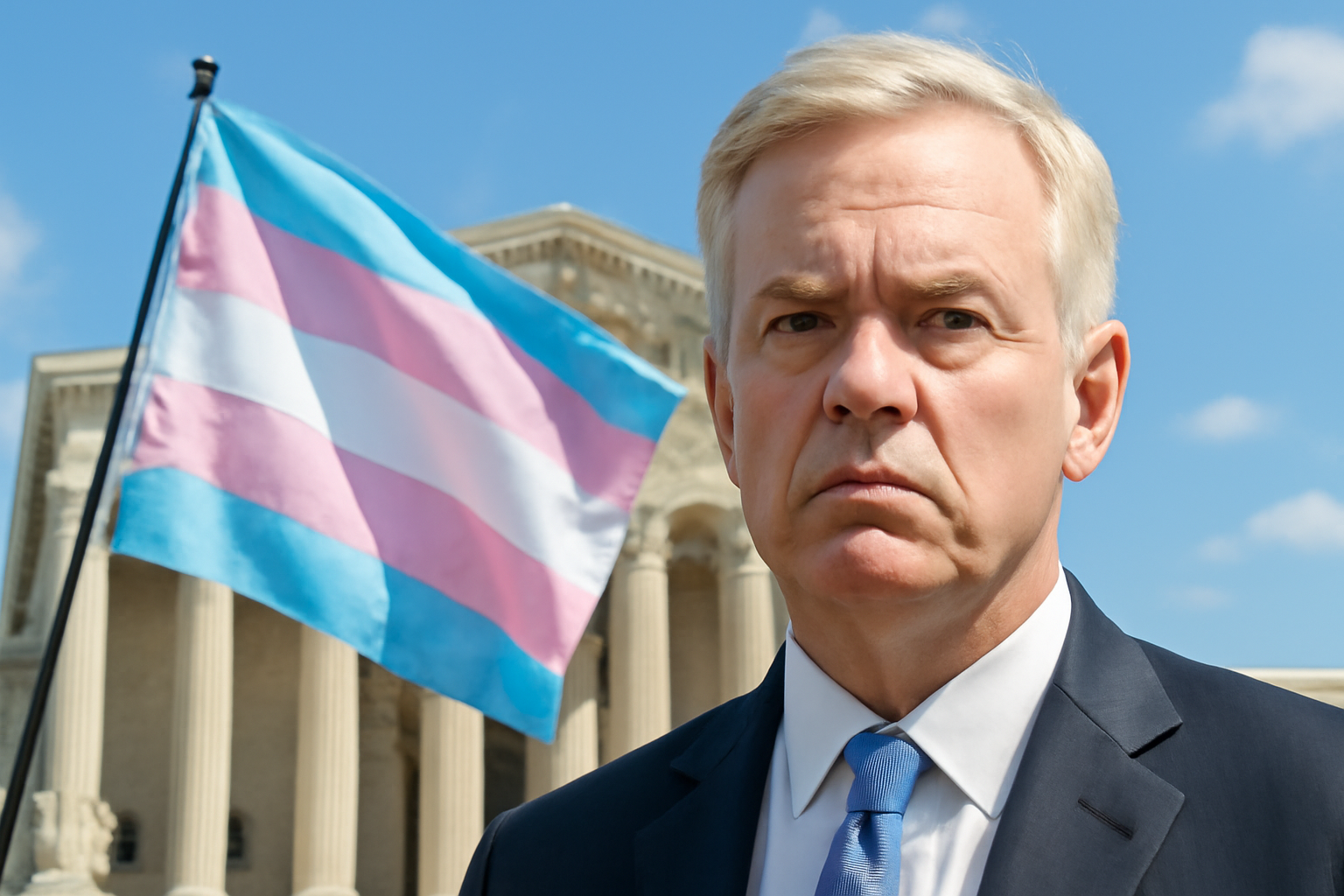
The recent decision by The United States Supreme Court has significantly shifted transgender rights in America. By overturning four lower court rulings that had supported inclusive measures, they've made a splash in both legal and LGBTQ+ communities. This comes after their controversial ruling in *U.S. v. Skrmetti*, which backed a law limiting gender-affirming care. Now, there are rising fears about what this means going forward.
What do these Supreme Court decisions mean?
On June 30, in a sweeping move, and out went orders instructing appellate courts in San Francisco, Denver, and Richmond, Virginia, that they needed a second look at cases they'd already decided. These were cases where legislative acts in Idaho, North Carolina, Oklahoma, and West Virginia were found clashing with what we know as equal protection under our Fourteenth Amendment. Win-win rulings were celebrated victories, standing tall as steps toward equal treatment. But now?
This turnaround seems tightly tied with their earlier 6-3 decision in *Skrmetti*, where a Tennessee law banning gender-affirming care was deemed constitutional. It could potentially set a new precedent that might sway similar legal battles other states are waging.
The ripple effects on transgender rights
The shockwaves are broad and unsettling. In Virginia, it means revisiting a 2024 decision about North Carolina and West Virginia policies, which were previously flagged as discriminatory. They'd denied coverage in their health programs, a necessary lifeline, and now this lifeline hangs in balance.
Over in San Francisco, it means re-evaluating where they'd protected low-income individuals on Medicaid in Idaho from losing access. Denver, too, faces reviewing Oklahoma's earlier pokes at denying birth certificate changes. These courts now have a tough task, balancing their prior aligns with this heavyweight Supreme Court changeup.
What about other states?
The saga doesn't end there. Kentucky's minor care ban challenge got tossed out by this Supreme Court too. And still hovering on their desk are appeals involving laws in Arizona, Idaho, and West Virginia, about transgender women and girls in sports. Legal beacons are watching closely, expecting decisions soon.
For advocates, it signals tougher landscapes may lie ahead. There're genuine worries about more doors closing on transgender rights, casting shadows on equality and dignity fights.
Community echoes and what lies ahead
The developments have stirred a wave within LGBTQ+ hearts and minds, bringing disappointment and concern. The fear? A Supreme Court that might stand in their path towards dignity and fairness. Activists are sounding alarms, calling on everyone—public, lawmakers alike—to remain engaged and active in this ever-crucial dialogue.
Nationwide, organizations are rallying troops, prepping both support and legal maneuvers. There're calls stirring, urging conversations with local reps, spreading awareness about these legal shakes, and their real-world stakes.
In these uncertain times, community spirit and resilience are more critical than ever. As cases unfold and laws shift, LGBTQ+ advocates remain unwavering. They're committed, determined, ensuring every individual can live with respect and rights intact.
Stay connected with these pivotal updates by subscribing. Get legal, policy, advocacy news straight in your inbox and see how your voice can champion a future that embraces all.
Related Posts
Supreme Court to Address State Bans on Trans Women in Female Sports
The upcoming U.S. Supreme Court term promises to be a pivotal moment for transgender rights, as the nation's highest court has agreed to evaluate whether states have the authority to prohibit transgender women from participating in female sports competitions. This case, scheduled to be argued in the next term beginning October, is expected to have a significant impact on the future of sports inclu [...]
Megan Rapinoe and Sue Bird Announce Amicable Separation After Ten Years Together
In a heartfelt announcement that resonated deeply within the sports and LGBTQ+ communities, soccer star Megan Rapinoe and basketball legend Sue Bird have revealed their decision to part ways after nearly a decade together. The couple, who have been icons both on and off the field, shared the news with their fans through a joint statement on social media, expressing that the choice was made with mu [...]
Groundbreaking Ruling Ends Sodomy Ban for Police and Military in the Dominican Republic
The Constitutional Court of the Dominican Republic recently delivered a landmark decision on November 18th, ruling that the nation’s police and armed forces are not permitted to criminalize consensual same-sex relations among their personnel. This pivotal ruling is a significant stride towards equality and the protection of LGBTQ+ rights within these institutions. A Resounding Victory for Equal [...]