
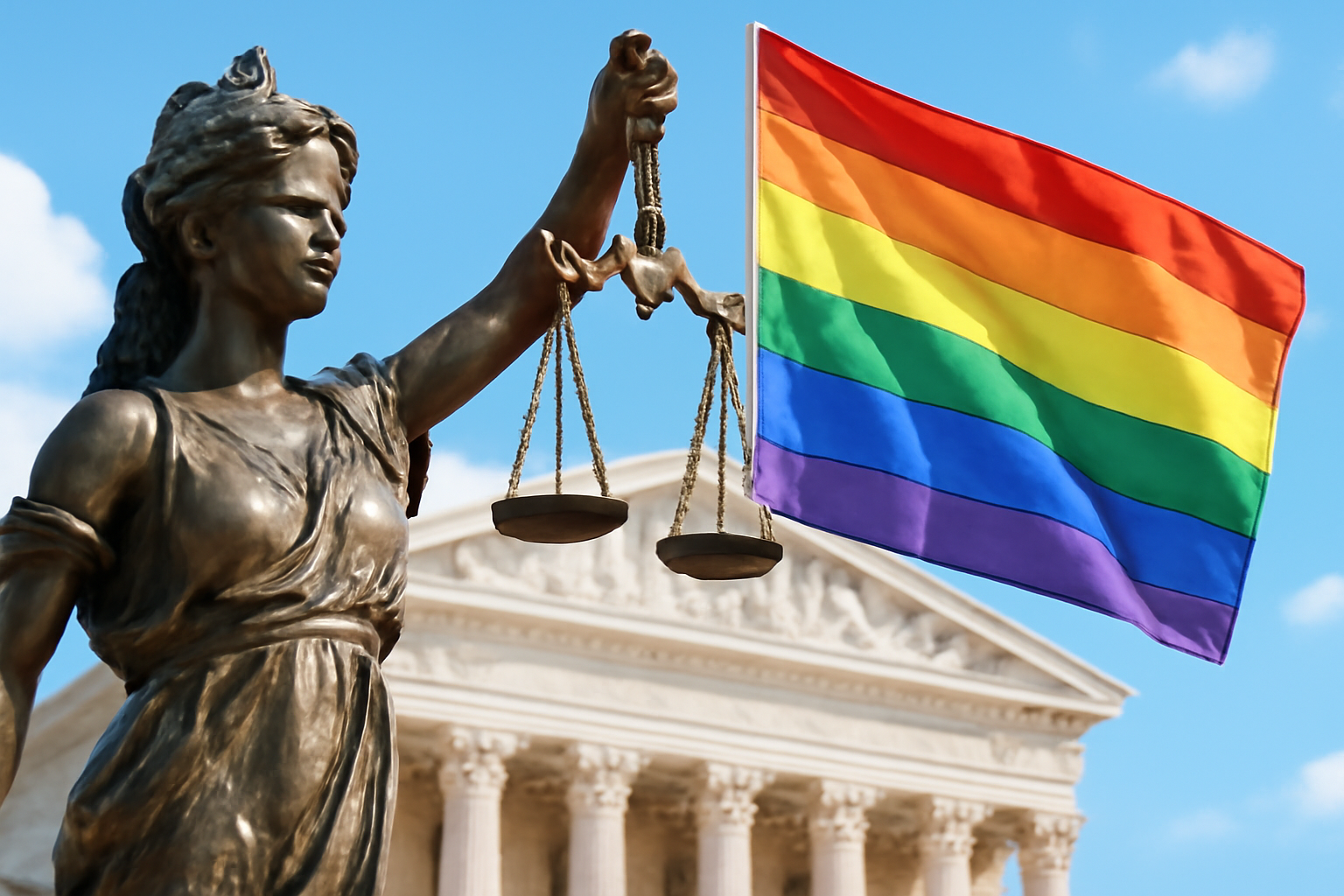
These days, as society buzzes forward at lightning speed, blending education with inclusivity has never been more essential. A key Supreme Court case looms on our horizon, threatening—or promising—to shake up what kids learn in schools across America. This big-deal case has educators and LGBTQ+ advocates waiting with baited breath, as it digs deep down on who gets a say in public school curriculums and how inclusive they should be.
The fallout from this case could be huge. Essentially, what gets decided here won't just dictate classroom materials; it could change how we teach acceptance and diversity, which are vital lessons we want every kid growing up with. If inclusivity takes a hit, we might end up setting a worrying precedent that ripples through educational policies far and wide.
Peeling back on what sparked this Supreme Court tussle
This case pulls in parents, school boards, and advocacy groups, each holding tight onto their vision about what kids should learn. It all boils down, really, when a curriculum dared include topics like gender identity and sexual orientation. Critics are quick on their feet, shouting that these subjects have no place in schools, while supporters argue they're all about fostering acceptance and understanding.
Opponents lean heavily on parental rights, insisting that mom and dad should call all shots on their kids' education. They worry that exposing kids too early—or at all—to varied perspectives on gender and sexuality might clash with personal beliefs.
On flip side, those in favor argue it loud and clear: schools are here not just teach math and history but prepare students with a well-rounded view, readying them through a fuller understanding and experience with a diverse, real-world. Leaving LGBTQ+ discussions out does a disservice, not just marginalizing some students but robbing all students from learning empathy.
What's at stake with this ruling?
Should SCOTUS decide on a restrictive ruling about educational content, it could spark a wildfire, igniting similar cases nationwide as activists and parents challenge curriculums, waving religious or personal belief flags. This could deepen divides with schools across states taking a mishmash route on teaching gender, sexuality, and diversity topics.
Beyond that, a restrictive verdict could send shivers down academic spines, possibly limiting conversations on other touchy topics and stifling opportunities that foster critical thinking. LGBTQ+ advocates fear such a ruling could slam brakes on efforts nurturing a more open and accepting learning environment.
As court day closes in, both sides are gearing up, grasping support, knowing well that this decision could cast a long shadow. Teachers, parents, and students are watching intently, understanding that this ruling will significantly shape what education looks like moving forward.
Why this case really, really matters
The reach extends beyond just students. Education's a powerhouse change driver, and what gets taught can morph societal attitudes and norms. By either giving a nod or clipping diverse perspectives, SCOTUS sends a clear message on what values we hold dear and whose voices get heard.
With LGBTQ+ rights still a fight on many fronts, stakes couldn't be higher. A ruling here will either celebrate inclusivity or pull us back from embracing diversity in all its forms.
Ultimately, this case underscores that ongoing battle towards fairness and justice, entailing dignity and acceptance regardless one's identity. How SCOTUS rules won't just shift curriculums, but echo broader societal values. It's a chance—a big one—to reinforce dedication towards diversity and inclusion or risk rolling back progress years in making.
With all eyes on this verdict, backing inclusive education efforts and championing policies that reflect societal richness and diversity becomes all-important. After all, shaping education's path means guiding our communities' futures.
Related Posts
Supreme Court to Address State Bans on Trans Women in Female Sports
The upcoming U.S. Supreme Court term promises to be a pivotal moment for transgender rights, as the nation's highest court has agreed to evaluate whether states have the authority to prohibit transgender women from participating in female sports competitions. This case, scheduled to be argued in the next term beginning October, is expected to have a significant impact on the future of sports inclu [...]
Megan Rapinoe and Sue Bird Announce Amicable Separation After Ten Years Together
In a heartfelt announcement that resonated deeply within the sports and LGBTQ+ communities, soccer star Megan Rapinoe and basketball legend Sue Bird have revealed their decision to part ways after nearly a decade together. The couple, who have been icons both on and off the field, shared the news with their fans through a joint statement on social media, expressing that the choice was made with mu [...]
Groundbreaking Ruling Ends Sodomy Ban for Police and Military in the Dominican Republic
The Constitutional Court of the Dominican Republic recently delivered a landmark decision on November 18th, ruling that the nation’s police and armed forces are not permitted to criminalize consensual same-sex relations among their personnel. This pivotal ruling is a significant stride towards equality and the protection of LGBTQ+ rights within these institutions. A Resounding Victory for Equal [...]