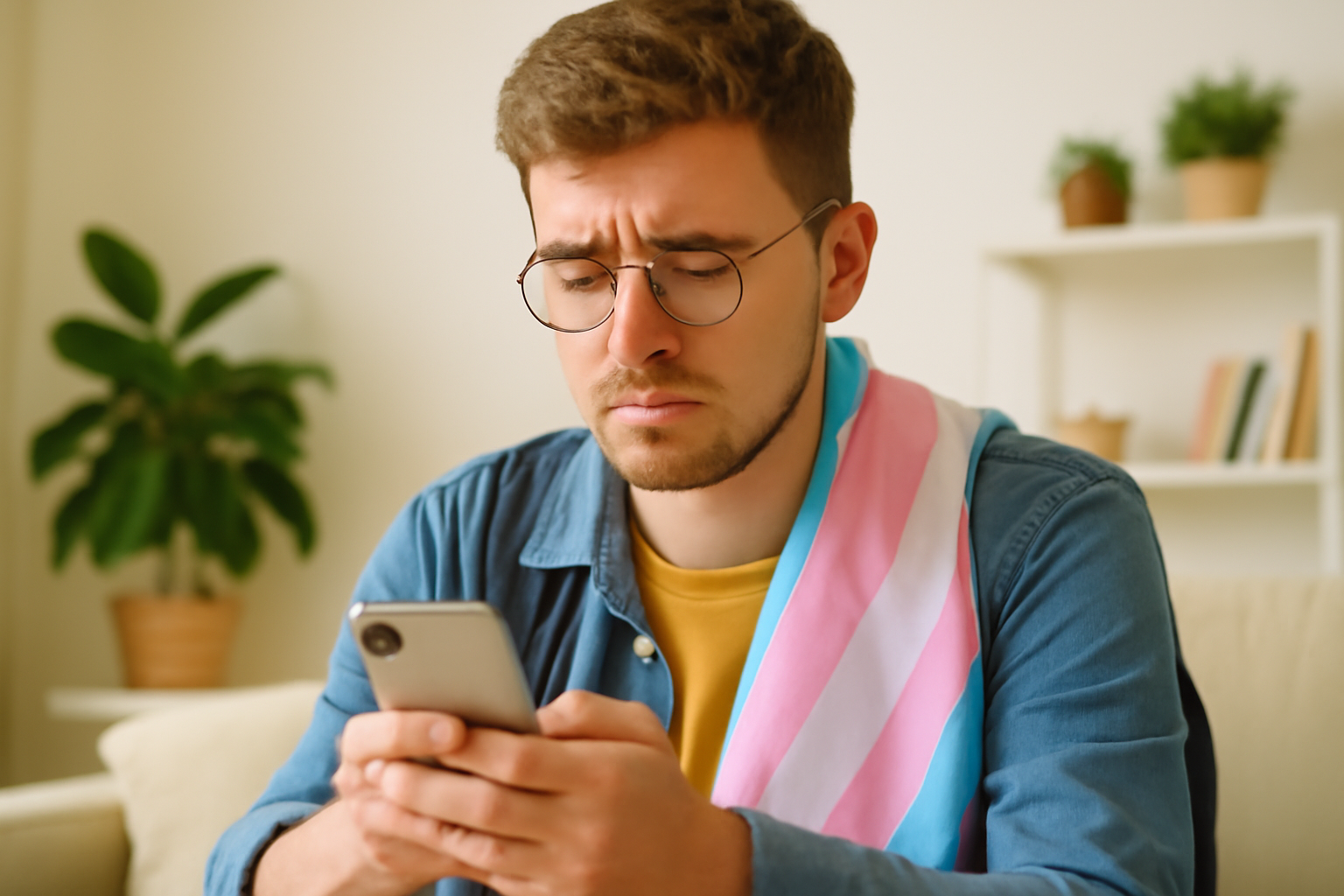
**A College Student's Journey and Struggles**
A college student named Alex, who identifies as both disabled and a memberofthe LGBTQ+ community, recently faced some pretty significant hurdles after sharing his personal transition story on social media. Things took a turn when he started getting harassed online, and his social media account was suddenly deactivated. This raises some serious questions about how well-supported marginalized groups really are on these platforms.
## Sharing His Transition Journey
Transitioning isn't just a step—it carries a deep, emotional journey. Alex courageously decidedto open up about his experience online. By doing so, he hoped he'd offer support and encouragementto others walking a similar path, hoping it might help break down some barriers and reduce stigma around transgender transitions.
Decidingto share wasn't easy. Alex was well awareof how unpredictablethe internet could be—a sourceof both warmth and cruelty. Yet, he leaned towardsthe belief thatthe chance todo some good was worth therisk. Sadly, not everyone met his openness withthe same kindness.
## Overcoming Online Bullying
Almost as soon as he shared his transition story, Alex was bombarded with hurtful comments. He faced transphobic and ableist slurs that targeted his identity and disability. This bullying took a toll on his mental health, leaving him feeling alone and vulnerable.
However, amidstthe negativity, Alex was buoyed by messagesof support from friends and allies. These supportive voices were like a lifeline, giving himthe motivationto continue sharing his story.
## The Blow from Social Media Deactivation
While still grappling with relentless harassment, Alex's social media account was unexpectedly shut down. The platform claimed he violated community standards, though Alex was convinced he had played by therules.
Losing his account was a big blow. Just as he was finding his voice in advocatingfor himself and others, he was silenced. It wasn't just a loss; it raised questions aboutthe platform's dedicationto shielding its usersfrom harassment.
## The Need For Better Support Systems
Alex's experience underscores a larger issue facing many marginalized individuals. While social media platforms can be great spacesfor connection and expression, they're often ill-equippedto tackle unique challenges faced by LGBTQ+ or disabled users.
There really needs toen be stronger mechanisms in place. This means better moderationof harmful content and ensuring those targeted have access tothe right resources and support.
Also, if an account does get deactivated, there should be a clear, honest processfor understanding why and how tothe rectify situation. Transparency's keyto keeping trust between platforms and their users.
## Building a Supportive Online Community
Despite these hurdles, Alex isn't backing down from his advocacy. His journey reminds us how vital it isto build nurturing and inclusive communities both online and off. By sharing his experiences, Alex hopes tohlighton issues faced by disabled and transgender people and inspire others top engage against hate and discrimination.
The online community hasa significant roleto play. By fostering kindness and understanding and actively challenging negativity, we can create safer, more inclusive spacesfor everyone. It's so important forallies stand up, support marginalized voices, and pushfor changes that allow everyone totelltheir story without fear.
In short, Alex's story goes beyond just his personal journey. It's aboutthe fightfor acceptance and equality. It's a nudgefor allof us, urging usto work toward a more supportiveworld where every voice gets heard and respected.
