
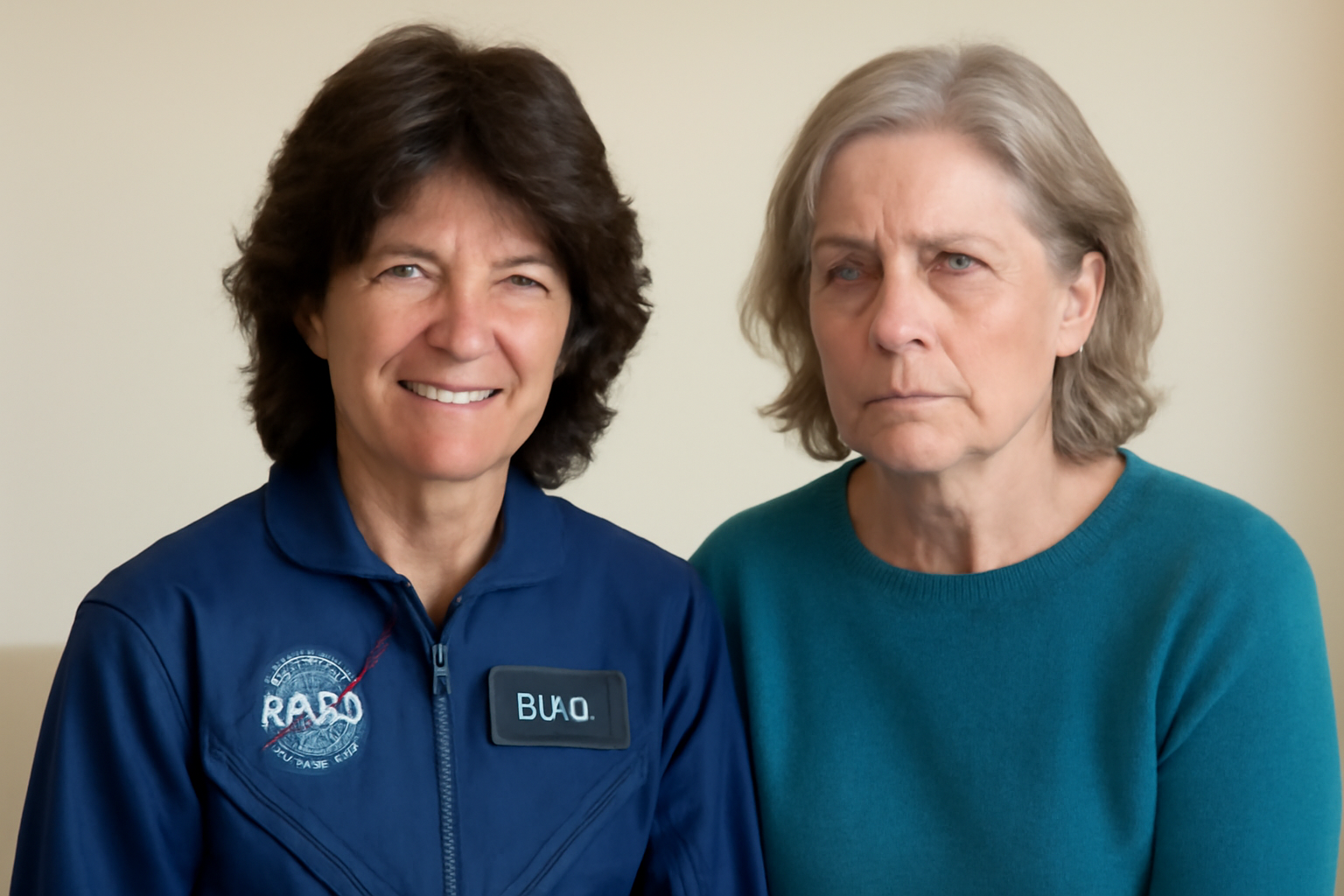
Tensions are mounting as Tam O'Shaoughnessy, Sally Ride's partner, speaks out against NASA's recent decision that dials back on diversity, equity, and inclusion (DEI) policies. This shift traces back changes sparked under Trump's administration.
Sally Ride made history in 1983 when she climbed aboard space shuttle Challenger at just 32, becoming America's youngest astronaut. She fought a brave battle with pancreatic cancer before passing away in 2012.
nasa's policy shift: what it means
NASA's move away from certain diversity, equity, inclusion, and accessibility offices has stirred a hornet's nest. The agency swapped out "Diversity at NASA" in favor "Special Observances," and scrapped DEI-centric content like "NASA has Pride Across with Universe." This aligns with an executive order targeting DEI programs in federal spheres, including military.
Voicing her concerns, O'Shaoughnessy called these changes at NASA "huge step backwards." She worries about LGBTQ+ scientists and astronauts who might now feel pressured shrink themselves. "It's just horrible," she said. "Sally would have wanted NASA hold on its DEI initiatives until we reach genuine equity."
sally ride's legacy lives on
Sally Ride wasn't just an astronaut; she was ahead her time. While she never publicly came out, her relationship with O'Shaoughnessy was significant. Even in her preference privacy, Sally's story encourages many embrace their true selves.
This January, Sundance Film Festival featured National Geographic documentary "Sally," snagged Alfred P. Sloan Feature Film Prize. The film honors Ride's incredible journey, spotlighting her as first American woman—and third woman globally—journey space, following Soviet pioneers Valentina Tereshkova and Svetlana Savitskaya.
O'Shaoughnessy complimented documentary's portrayal Sally's dedication and authenticity. "Sally was always true herself," she mused. "She was happy just being Sally, treasuring her privacy all while."
why DEI still matters
Perplexed by DEI reductions, O'Shaoughnessy wonders why these essential values are being sidelined. "Diversity, equity, inclusion," she said, "are critical." Deciphering their minimization isn't easy.
She cautions that diminishing DEI initiatives could cap NASA's ability push innovation and progress space exploration. According her, nurturing inclusive, equitable workplace ensures agency's future.
In parting, O'Shaoughnessy urges NASA revisit its policy course, cherishing diverse identities that have long powered its success. "To thine own self be true," she quoted, underscoring importance authenticity.
As conversations over NASA's DEI rollback carry on, many push reevaluation priorities, keeping agency at cutting edge both scientific and societal growth.
What are thoughts on this matter? Join discussion! Comment respectfully, encouraging mindful dialogue.
Related Posts
Supreme Court to Address State Bans on Trans Women in Female Sports
The upcoming U.S. Supreme Court term promises to be a pivotal moment for transgender rights, as the nation's highest court has agreed to evaluate whether states have the authority to prohibit transgender women from participating in female sports competitions. This case, scheduled to be argued in the next term beginning October, is expected to have a significant impact on the future of sports inclu [...]
Megan Rapinoe and Sue Bird Announce Amicable Separation After Ten Years Together
In a heartfelt announcement that resonated deeply within the sports and LGBTQ+ communities, soccer star Megan Rapinoe and basketball legend Sue Bird have revealed their decision to part ways after nearly a decade together. The couple, who have been icons both on and off the field, shared the news with their fans through a joint statement on social media, expressing that the choice was made with mu [...]
Groundbreaking Ruling Ends Sodomy Ban for Police and Military in the Dominican Republic
The Constitutional Court of the Dominican Republic recently delivered a landmark decision on November 18th, ruling that the nation’s police and armed forces are not permitted to criminalize consensual same-sex relations among their personnel. This pivotal ruling is a significant stride towards equality and the protection of LGBTQ+ rights within these institutions. A Resounding Victory for Equal [...]