
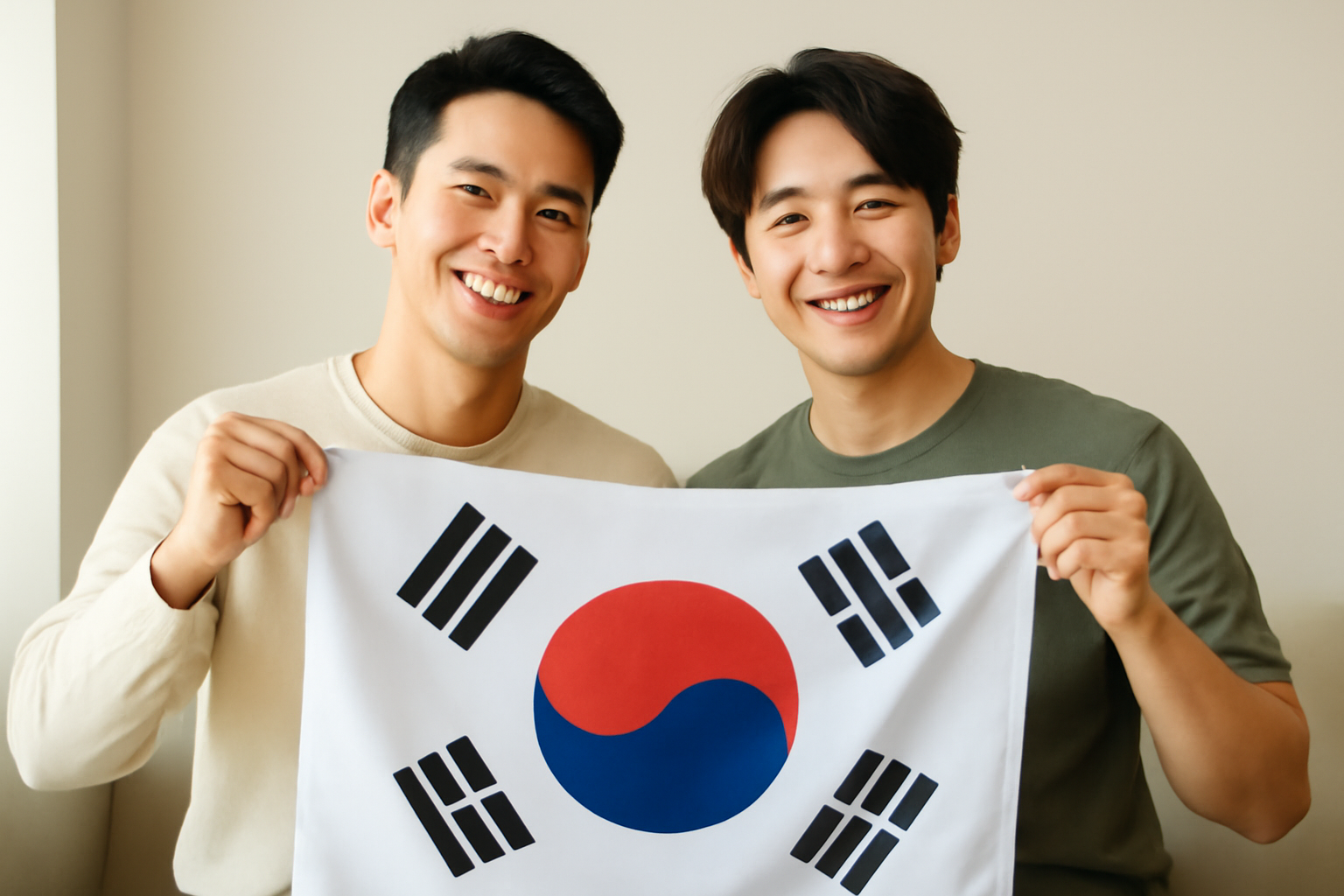
South Korea's bold move: acknowledging same-sex couples in national statistics
South Korea just made a monumental leap towards inclusivity by officially recognizing same-sex couples in its national census. This major announcement came from South Korea's Ministry responsible, which rolled out new policy changes that now allow same-gender couples living together under one roof being counted in their Population and Housing Census. Finally!
As per these updated guidelines, introduced on October 21, 2023, same-gender households can now select "spouse" or "cohabiting partner" on their census forms. Until now, such choices were dismissed as errors, frustrating many. LGBTQ+ advocacy groups, like Rainbow Action Korea—a passionate coalition launched by 49 organizations clamoring brighter days ahead in South Korea regarding LGBTQ+ rights—aren't holding back their applause.
A representative from Rainbow Action Korea pointed out, "In surveys gone by, same-gender couples couldn't even register as 'spouses' even though they shared a home. Their entries were flagged as wrong. This update marks an essential first step towards making sure LGBTQ+ folk are truly counted in our national stats."
Yet, despite this progressive step forward, same-sex marriage still isn't legal here. Nevertheless, forward movement continues, like recognizing cohabiting same-gender couples within a health insurance context via NHIS. A ruling from 2024 affirmed same-sex couples' right in insurance benefits, hailing it as a "big step" towards equality, spurring fresh hopes that same-sex marriage will be legalized in due time.
Progress and hurdles in LGBTQ+ rights in South Korea
This update in census policy has not gone unnoticed; political bodies, like South Korea's center-left Justice Party, have publicly backed this push towards inclusivity. They expressed hope that this could open doors further, with a spokesperson predicting a day when even transgender citizens would be featured prominently in national statistics.
Unfortunately, progress still faces many a roadblock. Challenges like bans on adoption and military service loom large over LGBTQ+ lives here, while hate crime protections remain dismally absent.
Some battlefronts have seen victories. Gender changes are now legally recognized since 2020 without requiring sterilization. Yet, access remains snagged when it comes gender-affirming healthcare — an ongoing struggle.
Views among South Koreans vary, as shown by an Ipsos survey from May 2025. Their findings showed 31% harbor anti-LGBTQ+ views, and 51% frown upon same-sex couples' public affection. Still, 25% see South Korea as an okay space, illustrating a societal cocktail where progress confronts prejudice daily.
Growing inclusivity and visibility
Including same-sex couples in our national census marks a significant leap towards greater visibility and recognition. However, groups like Rainbow Action Korea are worried it hasn't been shared widely enough. If awareness doesn't spread, its full impact might be muted, potentially skewing participation rates and data collected.
South Korea's path towards equality has received a heartening boost with this recognition. It underscores how vital visibility and representation are through national statistics. While this marks a big step, it's merely one among many needed steps on a longer journey toward genuine acceptance and equality both here and internationally.
Related Posts
Supreme Court to Address State Bans on Trans Women in Female Sports
The upcoming U.S. Supreme Court term promises to be a pivotal moment for transgender rights, as the nation's highest court has agreed to evaluate whether states have the authority to prohibit transgender women from participating in female sports competitions. This case, scheduled to be argued in the next term beginning October, is expected to have a significant impact on the future of sports inclu [...]
Megan Rapinoe and Sue Bird Announce Amicable Separation After Ten Years Together
In a heartfelt announcement that resonated deeply within the sports and LGBTQ+ communities, soccer star Megan Rapinoe and basketball legend Sue Bird have revealed their decision to part ways after nearly a decade together. The couple, who have been icons both on and off the field, shared the news with their fans through a joint statement on social media, expressing that the choice was made with mu [...]
Groundbreaking Ruling Ends Sodomy Ban for Police and Military in the Dominican Republic
The Constitutional Court of the Dominican Republic recently delivered a landmark decision on November 18th, ruling that the nation’s police and armed forces are not permitted to criminalize consensual same-sex relations among their personnel. This pivotal ruling is a significant stride towards equality and the protection of LGBTQ+ rights within these institutions. A Resounding Victory for Equal [...]