
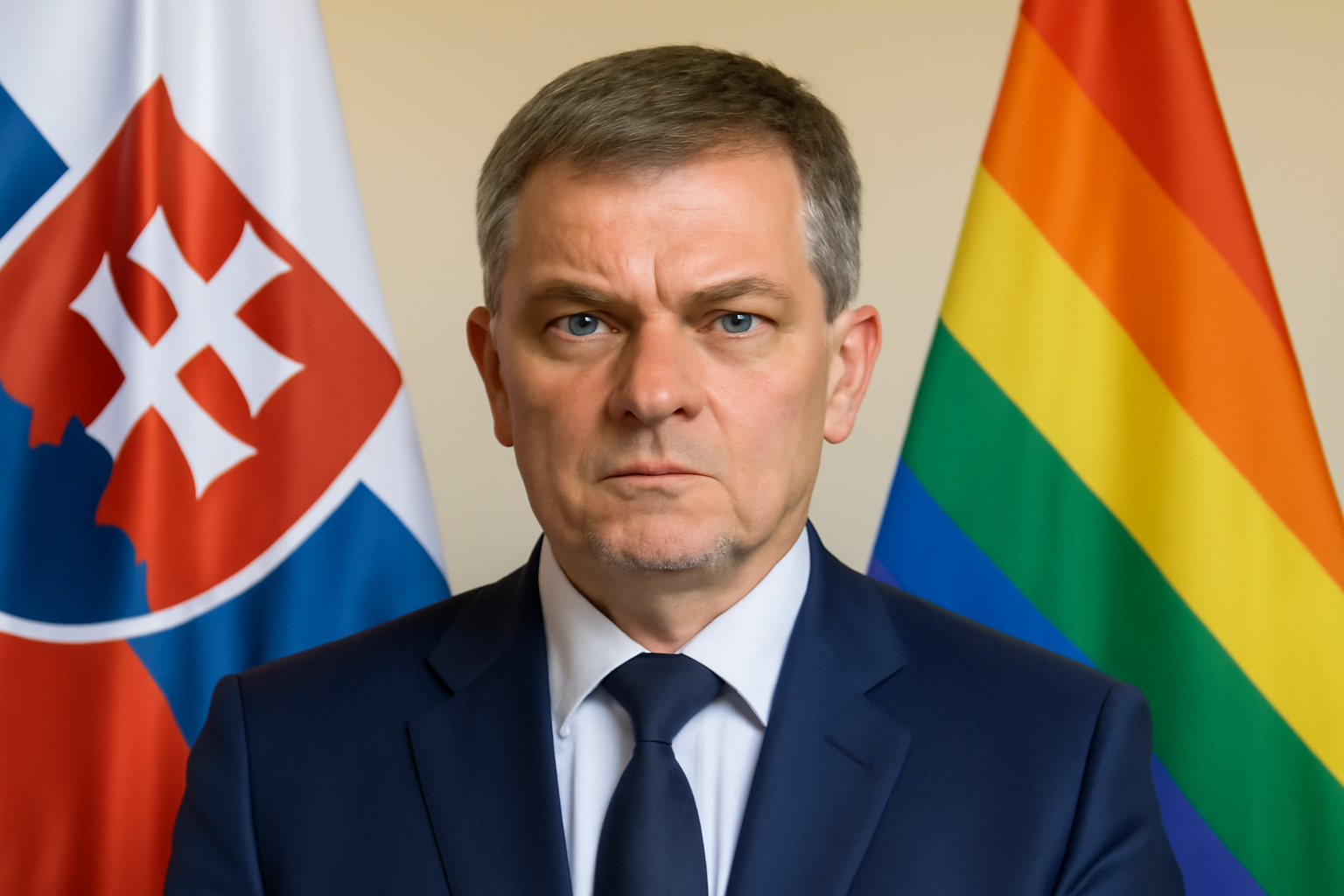
Is Slovakia taking a step backward with its new constitutional amendment?
On September 26, Slovakia stirred up both domestic and international controversy with its newly enacted constitutional amendment. This legislation, which bans adoption by gay couples and enforces a binary definition recognizing only two sexes, has many worried it's a major backward step in LGBTQ+ rights. Is Slovakia really rolling back years' worth progress? That's a question many are asking.
Prime minister Fico's battle against progressive values
Leading this charge, Prime Minister Robert Fico made it clear where he stands. He's been pretty vocal about his disdain, calling progressive ideologies "liberal cancer." In his eyes, this amendment isn't just a law—it's a bulwark against change. "This isn't just a little dam or a regular dam," Fico exclaimed, "this a great dam against progressiveness." It's quite clear that Fico's rhetoric aims at rallying conservative voters, emphasizing national sovereignty in culture and ethics.
The tough path through legislation
Getting this law through wasn't a walk in park. It needed a three-fifths majority in Slovakia's 150-seat National Council. Although things started with some uncertainty, Fico managed a victory. He pulled together 78 votes from his supporters and got an unexpected boost from 12 opposition members. That clinched it.
Worldwide backlash and human rights concerns
Unsurprisingly, international organizations slammed Slovakia's decision. Michael O'Flaherty from Council Europe didn't mince words back in June when he urged them reconsider. Slamming it as dangerous, he stressed it might deny trans and intersex people their realities, possibly breaching human rights laws. He called it vital that lawmakers heed these criticisms and ensure no group loses rights. His words echo a global commitment protecting dignity regardless sexual orientation or gender identity.
Earlier in April, Amnesty International labeled it "draconian," warning it may "crush LGBTQ+ rights." Their concerns are shared by numerous advocates.
Mixed feelings at home and what's ahead
Back home, Slovak reactions vary. Some hail it as safeguarding family values and national identity. Others decry it as blatantly discriminatory, saying it undermines Slovakia's EU commitments. LGBTQ+ groups aren't backing down; they're prepared fight on through courts and public advocacy. There's real fear this law could spell doom further progress equality.
The uncertain path ahead
With international eyes trained on Slovakia, questions swirl about what this means future LGBTQ+ rights. Cultural and political forces will undoubtedly shape Slovakia's journey on equality. Global engagement, equity, support stand vital. Dialogue, fostering understanding across diverse views, remain key ongoing fight justice LGBTQ+ worldwide.
What are your thoughts? We'd love hear them. Share in comments below, and let's keep conversation constructive and respectful.
The tough path through legislation
Getting this law through wasn't a walk in park. It needed a three-fifths majority in Slovakia's 150-seat National Council. Although things started with some uncertainty, Fico managed a victory. He pulled together 78 votes from his supporters and got an unexpected boost from 12 opposition members. That clinched it.
Worldwide backlash and human rights concerns
Unsurprisingly, international organizations slammed Slovakia's decision. Michael O'Flaherty from Council Europe didn't mince words back in June when he urged them reconsider. Slamming it as dangerous, he stressed it might deny trans and intersex people their realities, possibly breaching human rights laws. He called it vital that lawmakers heed these criticisms and ensure no group loses rights. His words echo a global commitment protecting dignity regardless sexual orientation or gender identity.
Earlier in April, Amnesty International labeled it "draconian," warning it may "crush LGBTQ+ rights." Their concerns are shared by numerous advocates.
Mixed feelings at home and what's ahead
Back home, Slovak reactions vary. Some hail it as safeguarding family values and national identity. Others decry it as blatantly discriminatory, saying it undermines Slovakia's EU commitments. LGBTQ+ groups aren't backing down; they're prepared fight on through courts and public advocacy. There's real fear this law could spell doom further progress equality.
The uncertain path ahead
With international eyes trained on Slovakia, questions swirl about what this means future LGBTQ+ rights. Cultural and political forces will undoubtedly shape Slovakia's journey on equality. Global engagement, equity, support stand vital. Dialogue, fostering understanding across diverse views, remain key ongoing fight justice LGBTQ+ worldwide.
What are your thoughts? We'd love hear them. Share in comments below, and let's keep conversation constructive and respectful.
Mixed feelings at home and what's ahead
Back home, Slovak reactions vary. Some hail it as safeguarding family values and national identity. Others decry it as blatantly discriminatory, saying it undermines Slovakia's EU commitments. LGBTQ+ groups aren't backing down; they're prepared fight on through courts and public advocacy. There's real fear this law could spell doom further progress equality.
The uncertain path ahead
With international eyes trained on Slovakia, questions swirl about what this means future LGBTQ+ rights. Cultural and political forces will undoubtedly shape Slovakia's journey on equality. Global engagement, equity, support stand vital. Dialogue, fostering understanding across diverse views, remain key ongoing fight justice LGBTQ+ worldwide.
What are your thoughts? We'd love hear them. Share in comments below, and let's keep conversation constructive and respectful.
Related Posts
Supreme Court to Address State Bans on Trans Women in Female Sports
The upcoming U.S. Supreme Court term promises to be a pivotal moment for transgender rights, as the nation's highest court has agreed to evaluate whether states have the authority to prohibit transgender women from participating in female sports competitions. This case, scheduled to be argued in the next term beginning October, is expected to have a significant impact on the future of sports inclu [...]
Megan Rapinoe and Sue Bird Announce Amicable Separation After Ten Years Together
In a heartfelt announcement that resonated deeply within the sports and LGBTQ+ communities, soccer star Megan Rapinoe and basketball legend Sue Bird have revealed their decision to part ways after nearly a decade together. The couple, who have been icons both on and off the field, shared the news with their fans through a joint statement on social media, expressing that the choice was made with mu [...]
Groundbreaking Ruling Ends Sodomy Ban for Police and Military in the Dominican Republic
The Constitutional Court of the Dominican Republic recently delivered a landmark decision on November 18th, ruling that the nation’s police and armed forces are not permitted to criminalize consensual same-sex relations among their personnel. This pivotal ruling is a significant stride towards equality and the protection of LGBTQ+ rights within these institutions. A Resounding Victory for Equal [...]