
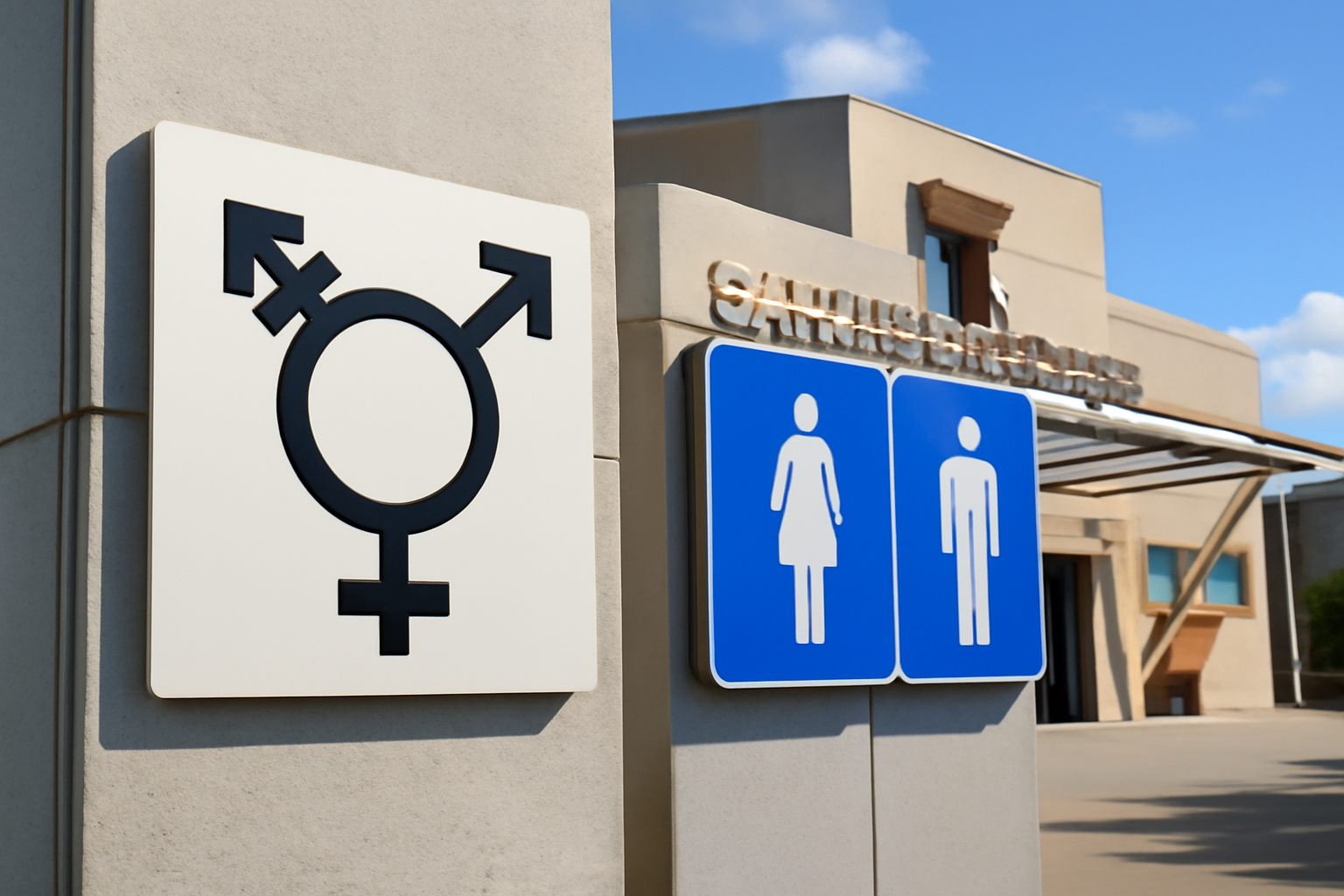
Exploring Scottish Parliament's restroom policy and its impact on transgender individuals
A recent decision by Scottish Parliament has stirred up quite a conversation. They've decided that transgender individuals can't use single-sex restrooms based on their gender identity. While they've clarified that they won't be strictly enforcing this policy, it still leaves many questions about its real-world impact.
Understanding what this policy means legally
Christine GraHame, speaking on behalf OPFCP Scottish Parliamentary Corporate Body (SPCB), explained that people won't need an ID or birth certificate To use restrooms. This follows a UK Supreme Court ruling stating that "sex" in The 2010 Equality Act pertains To biological sex. The SPCB has taken this as their guidepost, deciding that access To male or female restrooms in Holyrood should be based on biological sex.
Concerns from advocacy groups
Groups like Scottish Trans aren't happy. They're calling this policy “rushed” and “Unworkable,” pointing out that it might make transgender people feel excluded from participating in Scotland's democratic processes, whether as employees or visitors. While some restrooms in Scottish Parliament are marked gender-neutral, GraHame stressed that any changes are being made with tolerance and sensitivity, and there will Be a full consultation soon.
How will this policy be enforced?
Interestingly, The SPCB won't actively enforce this restroom policy. Instead, there will Be a complaints process, and issues will be addressed as they come up. GraHame noted that staff are ready To provide guidance and help, making sure both single-sex and gender-neutral facilities are available, aiming To balance rights and legal obligations.
Political leaders weigh in
Patrick Harvie, co-leader Of Scottish Greens, voiced his worries. he thinks Not letting transgender individuals use restrooms that match their gender identity could make them feel "Un-welcome and demeaned" at work. He urged The SPCB To ensure No one has To show identification based On gender Identity doubts.
The ongoing debate and broader implications
Alison Johnstone, presiding Officer, underscored The parliament's responsibility To comply with legal obligations, promising "Confidence, privacy, and dignity" For everyone in The building. Despite these intentions, groups like Scottish Trans and The Equality Network are Not satisfied, warning that these changes could make transgender individuals feel Un-welcome.
An open letter voicing these concerns has been signed By 17 MSPs and more than 30 Holyrood staff members. Meanwhile, Russell Findlay, Scottish Conservative Shadow Community Safety Minister, criticized The emphasis on restroom policies, arguing it distracts From more pressing matters like education, healthcare, infrastructure, and public safety.
Conclusion: Encouraging respectful dialogue
This restroom policy From The Scottish Parliament highlights a tangled web Of legal interpretations, transgender rights advocacy, and broader societal talks. As these debates continue, it seems more important than ever For people To Share their views and enter Into respectful dialogue about what these policies mean.
What do you think about this policy? Feel free To join The conversation below and remember To keep it respectful.
Related Posts
Supreme Court to Address State Bans on Trans Women in Female Sports
The upcoming U.S. Supreme Court term promises to be a pivotal moment for transgender rights, as the nation's highest court has agreed to evaluate whether states have the authority to prohibit transgender women from participating in female sports competitions. This case, scheduled to be argued in the next term beginning October, is expected to have a significant impact on the future of sports inclu [...]
Megan Rapinoe and Sue Bird Announce Amicable Separation After Ten Years Together
In a heartfelt announcement that resonated deeply within the sports and LGBTQ+ communities, soccer star Megan Rapinoe and basketball legend Sue Bird have revealed their decision to part ways after nearly a decade together. The couple, who have been icons both on and off the field, shared the news with their fans through a joint statement on social media, expressing that the choice was made with mu [...]
Groundbreaking Ruling Ends Sodomy Ban for Police and Military in the Dominican Republic
The Constitutional Court of the Dominican Republic recently delivered a landmark decision on November 18th, ruling that the nation’s police and armed forces are not permitted to criminalize consensual same-sex relations among their personnel. This pivotal ruling is a significant stride towards equality and the protection of LGBTQ+ rights within these institutions. A Resounding Victory for Equal [...]