
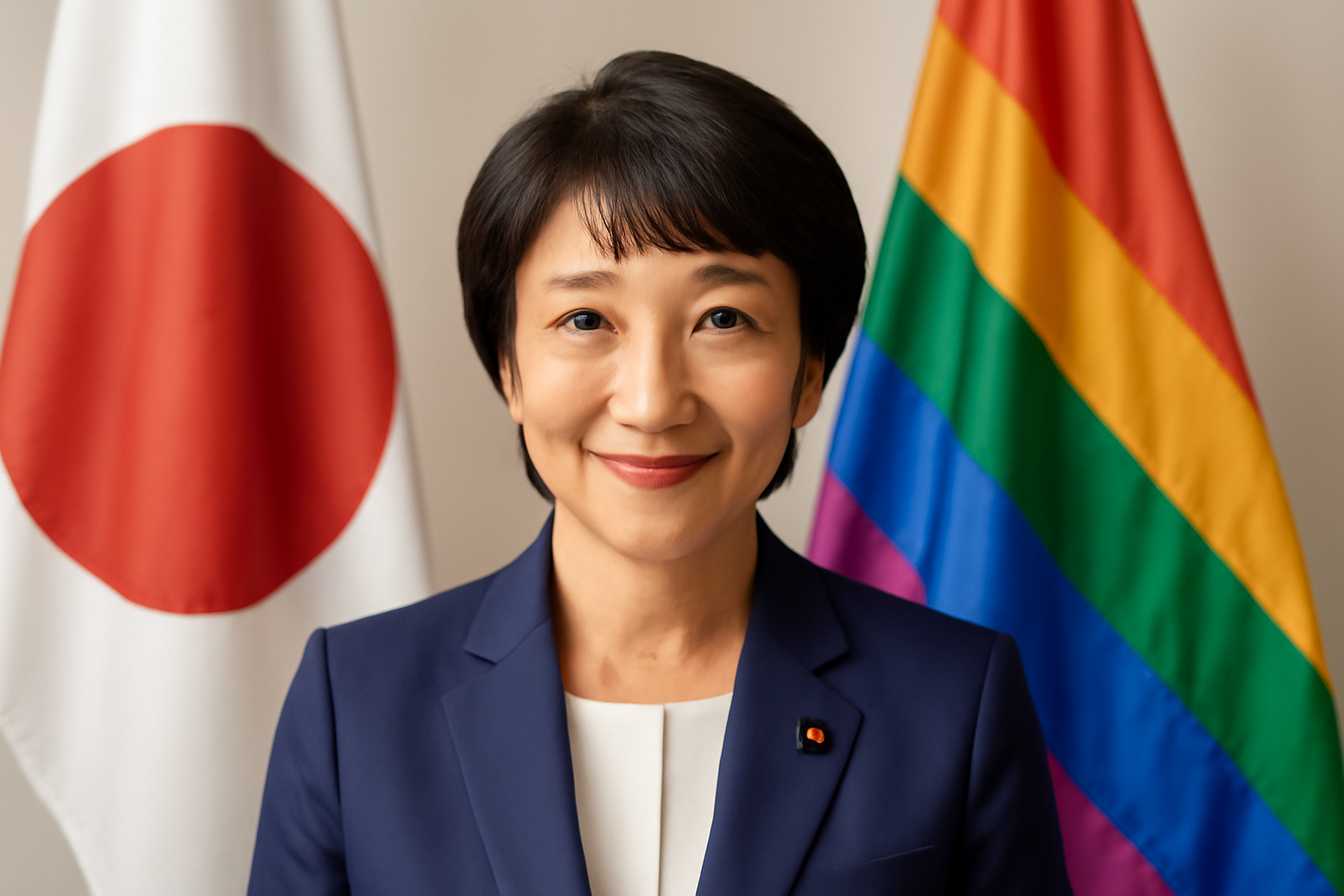
In a move that's both historic and controversial, Japan's parliament has elected Sanae Takaichi as their first female prime minister. This milestone in gender equality makes headlines, but Takaichi's conservative stance, especially on LGBTQ+ rights, has stirred up quite a bit more conversation.
navigating a rocky political scene
At 64, Takaichi steps up as prime minister during a politically shaky time, just after her party, Liberal Democratic Party, took a hit in recent elections. She follows Shigeru Ishiba, who didn't even last a year in office. With her, Japan sees its fourth prime minister in just five years, showcasing just how turbulent their political waters have been.
Her journey wasn't solo; she leaned on support from a right-wing coalition with Japan Innovation Party. But without having a majority in both houses, one has got a wonder—how effective can her leadership really be?
where LGBTQ+ rights stand with Takaichi
While Takaichi's rise represents a win in terms women's representation in politics, her firm opposition against same-sex marriage and other gender equality pushes raises eyebrows. There's worry that her leadership might halt Japan's progress in LGBTQ+ rights.
As Minister State Economic Security, she's set herself apart from predecessor Fumio Kishida by standing against "LGBT Awareness Promotion Bill." Although she insists she opposes discrimination based on sexual orientation and gender identity, her hesitations towards anti-discrimination laws haven't exactly sat well with LGBTQ+ advocates.
debating her political views and diplomatic dealings
Known her hard stances on immigration and foreign policy, Takaichi's visits Yasukuni Shrine, a site that remembers Japanese war dead, including convicted war criminals, have ruffled feathers regionally. She's often compared former British Prime Minister Margaret Thatcher, dubbed "Iron Lady" among her Japanese conservative admirers.
Before diving political waters, Takaichi was in media, a role that helped elevate her public image. Her political beginnings weren't smooth, though. Back in 1994, she endorsed a book on Hitler's political strategies—a move that caused quite an uproar and resulted in its recall.
global perspectives and what lies ahead
With time in U.S. as a congressional fellow, Takaichi understands Western politics. Yet, her policies lean nationalistic, reflecting her conservative ethos.
Her election has both local and international LGBTQ+ communities on alert, watching closely how her policies might affect equality issues. Takaichi's leadership could be a turning point in Japan's political and social narrative, bearing serious weight minority rights and worldwide relations.
If you're passionate about politics and LGBTQ+ rights, it's time keep your eyes on how Takaichi handles both domestic and international hurdles during her term.
Related Posts
Supreme Court to Address State Bans on Trans Women in Female Sports
The upcoming U.S. Supreme Court term promises to be a pivotal moment for transgender rights, as the nation's highest court has agreed to evaluate whether states have the authority to prohibit transgender women from participating in female sports competitions. This case, scheduled to be argued in the next term beginning October, is expected to have a significant impact on the future of sports inclu [...]
Megan Rapinoe and Sue Bird Announce Amicable Separation After Ten Years Together
In a heartfelt announcement that resonated deeply within the sports and LGBTQ+ communities, soccer star Megan Rapinoe and basketball legend Sue Bird have revealed their decision to part ways after nearly a decade together. The couple, who have been icons both on and off the field, shared the news with their fans through a joint statement on social media, expressing that the choice was made with mu [...]
Groundbreaking Ruling Ends Sodomy Ban for Police and Military in the Dominican Republic
The Constitutional Court of the Dominican Republic recently delivered a landmark decision on November 18th, ruling that the nation’s police and armed forces are not permitted to criminalize consensual same-sex relations among their personnel. This pivotal ruling is a significant stride towards equality and the protection of LGBTQ+ rights within these institutions. A Resounding Victory for Equal [...]