
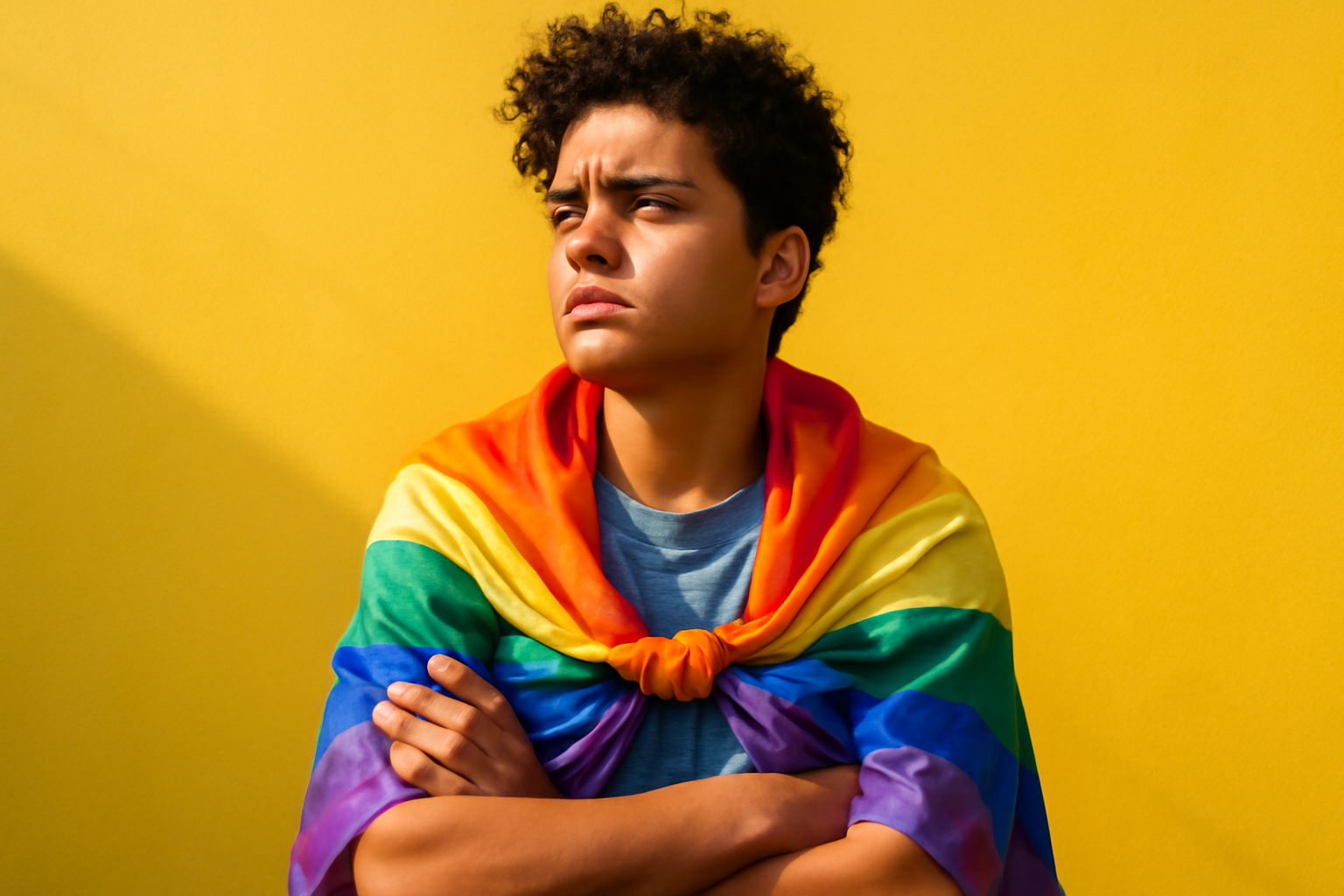
The impact mass culture has on LGBTQ+ communities
Recently, two seemingly unrelated events reshaped my understanding: how mass culture influences LGBTQ+ communities and their incredible resilience.
Government crackdown on LGBTQ+ literature in Russia
One troubling incident was a government raid on a well-known Russian publishing house that specializes in diverse books, including many with LGBTQ+ themes. During this raid, authorities destroyed countless books and took at least ten employees in custody, accusing them unjustly as "extremists" because they dared publish LGBTQ+ literature. It's alarming how such works are being systematically silenced and erased in Russia.
Discovering inclusive media in unexpected places
On that very day, I stumbled upon something that felt much more personal. I dove deep inside a Russian true crime podcast about Jeffrey Dahmer, which shed light on how homophobia shaped his life. The podcast didn't just paint a picture; it revealed how dangerous it was being gay during Dahmer's upbringing, shaping his tragic journey. The hosts were careful, making it clear they were explaining, not excusing, his actions. They even apologized when outdated terms slipped in. It's impressive that they tackle such sensitive topics, surviving on listener donations, knowing full well they'd face censorship on mainstream platforms.
Why grassroots media are so important
Why do these discussions even matter? In Russia, LGBTQ+ voices are stifled—Pride events are non-existent, and there's no queer representation in schools. Yet, grassroots media offers a glimmering hope. Digital platforms like podcasts and fan-fiction sidestep government censorship, challenging official narratives and sparking conversation. They serve as a quiet but potent form, resisting oppressive state scrutiny.
The essence and misstep in Pride celebrations
As Pride Month wraps up, I've noticed some LGBTQ+ folks in Western communities getting frustrated with how commercialized these events have become. What started as protests often transform now, overshadowing their activist origins. A friend once remarked, "Pride should be about protesting, but we can't even talk about serious issues here."
It makes me appreciate those quieter, vital conversations even more. I've seen this with another friend in England, initially oblivious about his new home country's anti-LGBTQ laws. For him, queer celebrations seemed like "propaganda" until I filled him in on their history.
The power in historical stories
This underscores how vital historical narratives are—whether they're about heroes like Alan Turing or tragic figures like Dahmer. They offer insight on systemic struggles queer communities face. We shouldn't sensationalize, but filmmakers and platforms should realize their power. Queer stories cross borders, shaping views in places like Russia, Iran, or Malaysia, where these narratives could be a sole, safe entry point in discussing LGBTQ+ lives.
The role played by non-Western media
But it's not all about Western media. Spaces like anime and yaoi fanfic hold their ground, offering profound representation. A trans friend from Donetsk, Ukraine, once told me that yaoi fan-fiction was her first glimpse at embracing non-hypermasculine sexuality, which helped her embrace being bi and trans. Sure, yaoi has its issues, but it cracked open a window on LGBTQ+ relationships when such acceptance was rare, secretive, and needed.
Reflecting on what Pride means
As I gear up my own local Pride event, I reflect on all these ways folks celebrate Pride beyond parades and booths. For many, it's about reclaiming identity in secretive podcasts, anime forums, and discreetly downloaded e-books. Pride's a personal journey—an ongoing mission in shaking off shame and building self-worth. It's not just a month filled with festivities.
This thought fills me with hope. In our connected age, LGBTQ+ voices can't be wholly silenced, no matter how authoritarian some regimes get.
Related Posts
Supreme Court to Address State Bans on Trans Women in Female Sports
The upcoming U.S. Supreme Court term promises to be a pivotal moment for transgender rights, as the nation's highest court has agreed to evaluate whether states have the authority to prohibit transgender women from participating in female sports competitions. This case, scheduled to be argued in the next term beginning October, is expected to have a significant impact on the future of sports inclu [...]
Megan Rapinoe and Sue Bird Announce Amicable Separation After Ten Years Together
In a heartfelt announcement that resonated deeply within the sports and LGBTQ+ communities, soccer star Megan Rapinoe and basketball legend Sue Bird have revealed their decision to part ways after nearly a decade together. The couple, who have been icons both on and off the field, shared the news with their fans through a joint statement on social media, expressing that the choice was made with mu [...]
Groundbreaking Ruling Ends Sodomy Ban for Police and Military in the Dominican Republic
The Constitutional Court of the Dominican Republic recently delivered a landmark decision on November 18th, ruling that the nation’s police and armed forces are not permitted to criminalize consensual same-sex relations among their personnel. This pivotal ruling is a significant stride towards equality and the protection of LGBTQ+ rights within these institutions. A Resounding Victory for Equal [...]