
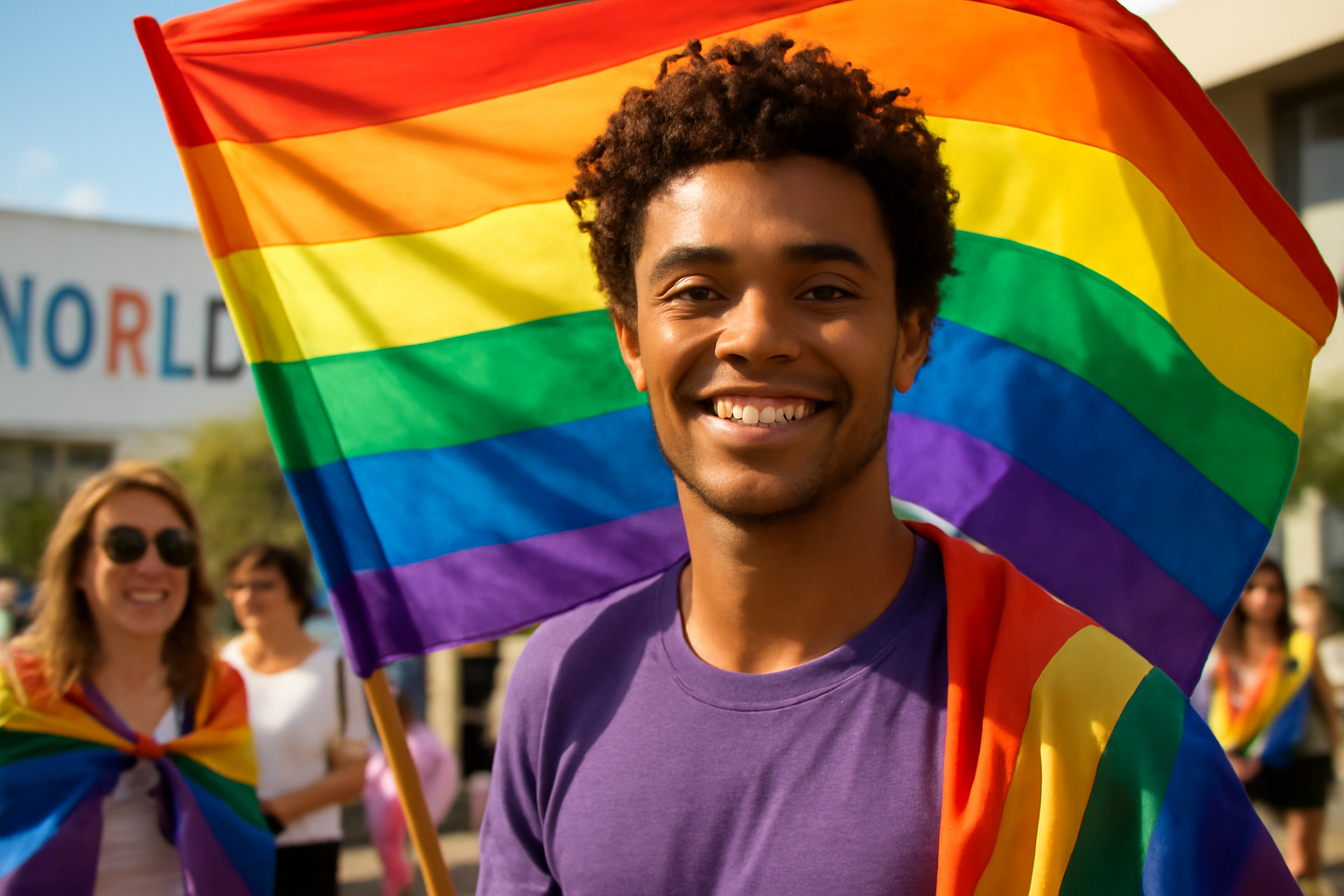
WorldPride DC has kicked off with a bang, drawing in millions and giving a huge boost both economically and socially. Right now, it feels like a beacon amid political tensions in America, especially with LGBTQ rights under constant pressure. Despite advisories against travel, especially targeting trans folks, WorldPride continues on as a vibrant celebration and a fierce protest affirming LGBTQ identity and rights.
As we hit this year, it's already our ninth WorldPride. Each has come with its unique mix and match challenges and wins. Want a little journey back in time? Let's reminisce about those trailblazing cities that have hosted WorldPride over time.
rome, italy - 2000: where it all began
It all started in Rome, back in 2000—a city dripping with historical and symbolic significance. Strangely enough, even though it's a Western European city, Italy hasn't been exactly forward-thinking on LGBTQ rights, with neither gay marriage nor official recognition beyond binary genders. The timing was bold, landing right alongside a huge event on The Vatican's calendar, which didn't sit well with Pope John Paul II. The city even pulled its financial support. But, guess what? 700,000 showed up anyway. A major shift in society, said Renato Sabbadini, an organizer who noticed a lot more support from everyday Italians, LGBTQ or not.
jerusalem, israel - 2006: a heated choice
Then came Jerusalem in 2006, a city with deep-rooted religious ties. Naturally, eyebrows were raised about this choice, given its complicated political backdrop. In spite—or perhaps because—of fierce opposition from religious quarters and delays caused by regional conflicts, it became a significant spotlight on LGBTQ Palestinians and brought "pinkwashing"—an attempt by countries or companies claiming LGBTQ friendliness while ignoring systemic issues—into focus. Deeg Gold, another organizer, mentioned they used this spotlight effectively.
london, uk - 2012: putting visibility on center stage
In 2012, London took its turn. The event emerged amid critical global legal challenges impacting LGBTQ communities. A historic march took place, plus it was when we saw AVEN's first conference, pushing much-needed visibility and understanding around asexuality. Michael Doré, an organizer, stressed just how important it was (and still IS) that asexual identities get understood and included across our community.
toronto, canada - 2014: blending advocacy and celebration
The scene was set in Toronto in 2014, which already had a reputation as an LGBTQ-friendly space. Kalyn Heffernan from Wheelchair Sports Camp brought an important message. She pushed hard on including disabled voices within our movement, noting both accessibility and intersectionality concerns. She wasn't shy about calling out commercialization or increased police presence either.
madrid, spain - 2017: diverse and proud
Madrid in 2017 screamed "Viva la Vida," pulling in millions who celebrated through its lively LGBTQ neighborhoods. Spain's a leader in progressive LGBTQ rights, and ally Justin Seymour was right there, soaking up inclusivity and urging others not just see but feel that energy—it's a powerful thing.
new york city, usa - 2019: a nod back at history
Fast forward just a bit more, and in 2019, WorldPride hit New York City. It aligned perfectly with commemorating 50 years since Stonewall. Even with corporate debates in play, like commercial tensions, folks found an alternative vibe in The Queer Liberation March, which stuck true, focused on grassroots power. It was a profound experience bringing people together.
copenhagen, denmark - 2021: a pandemic can't stop inclusivity
Come 2021, Copenhagen stepped up during a global pandemic. Yet under "#YouAreIncluded," it was an occasion putting human rights on full display. Victor Yates, sharing his experience, felt safe—welcomed, even—in ways he hadn't before at U.S. Prides. That reflects something deep about inclusivity and thoughtful planning.
sydney, australia - 2023: vibrance meets community spirit
And now, in 2023, we saw Sydney host a vibrant WorldPride. There were whispers over pricey tickets but still big love showed through events, especially that iconic march across Sydney Harbor Bridge. Some noted critique about South-Asian representation, yet Alan Maurice saw it as a powerful coming together, showing strength in numbers.
From Rome onward, these WorldPride events have reached far beyond celebration. They tackle real challenges, inspire vital conversations, and ultimately amplify hope and unity from one border—or barrier—to another.
Related Posts
Supreme Court to Address State Bans on Trans Women in Female Sports
The upcoming U.S. Supreme Court term promises to be a pivotal moment for transgender rights, as the nation's highest court has agreed to evaluate whether states have the authority to prohibit transgender women from participating in female sports competitions. This case, scheduled to be argued in the next term beginning October, is expected to have a significant impact on the future of sports inclu [...]
Megan Rapinoe and Sue Bird Announce Amicable Separation After Ten Years Together
In a heartfelt announcement that resonated deeply within the sports and LGBTQ+ communities, soccer star Megan Rapinoe and basketball legend Sue Bird have revealed their decision to part ways after nearly a decade together. The couple, who have been icons both on and off the field, shared the news with their fans through a joint statement on social media, expressing that the choice was made with mu [...]
Groundbreaking Ruling Ends Sodomy Ban for Police and Military in the Dominican Republic
The Constitutional Court of the Dominican Republic recently delivered a landmark decision on November 18th, ruling that the nation’s police and armed forces are not permitted to criminalize consensual same-sex relations among their personnel. This pivotal ruling is a significant stride towards equality and the protection of LGBTQ+ rights within these institutions. A Resounding Victory for Equal [...]