
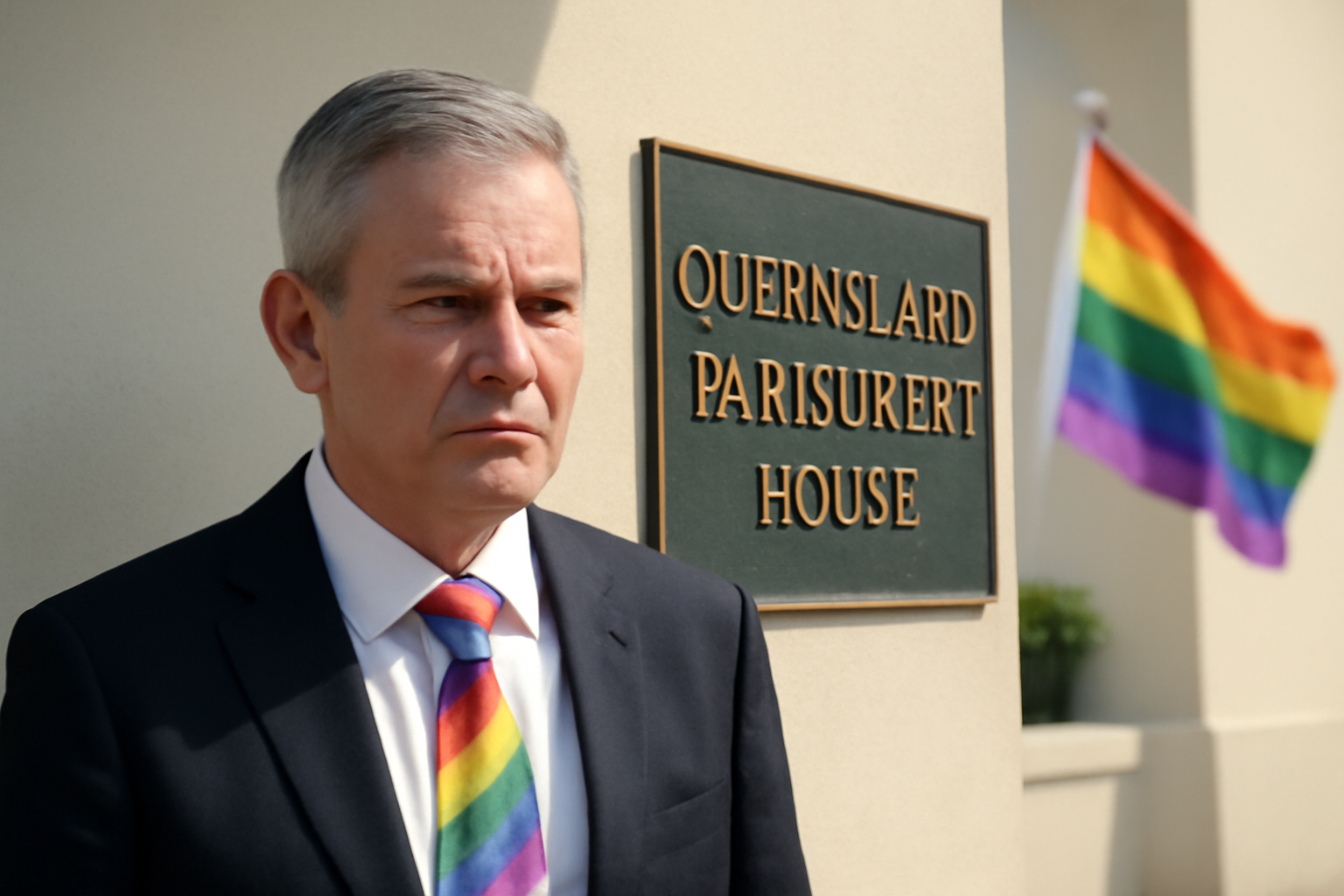
Queensland's ban on puberty blockers: Stirring a heated debate
Queensland, Australia, has stirred quite a debate by bringing back its ban on puberty blockers, targeting transgender individuals under 18. After a temporary win by opponents due a Supreme Court ruling that cited procedural flaws, this ban has found its footing again, sparking heated discussions on transgender youth's healthcare and rights.
Legal battles and political moves
Judge Peter Callaghan recently pulled up Queensland's government, pointing out that they jumped too quickly in January without properly consulting key players. That misstep temporarily reversed their ban, though it wasn't about whether or not they should ban puberty blockers. But just when critics thought they'd caught a break, Health Minister Tim Nicholls doubled down. He pushed through a new directive, emphasizing that it was all about procedure, not whether or not this ban should exist in its core. He stressed that sticking with this ban was in "the public interest" while a thorough check on these medications takes place.
Understanding puberty blockers
With this reinstatement, we're back where we started in January. The government wants a thorough review on how safe and effective these hormone suppressants are. These blockers help transgender youth by putting puberty on pause, giving them a breather from unwanted changes. There's a lot out there saying these treatments are reversible and could very well be beneficial, but conversations on their safety and appropriate usage are far from over.
Voices against reinstatement
The backlash has been loud and clear. Critics believe Queensland's move smacks too much like an "improper exercise" in power. Take, among others, a mother who's legally challenging this decision because it meddles with personal medical choices. She's questioning if officials can actually make these calls without deeply understanding what those impacted go through.
To make matters worse, health execs found out about this directive from a short video call. Critics feel this undermines their trust in how decisions are made, and see it as a rushed policy with little care. Matilda Alexander, from LGBTI Legal Service, represents this mom who's all in on this legal tussle. She claims this ban shuts down safe and effective medical care options in Queensland, pointing out that no other Australian state or territory has such restrictions.
Effects on transgender youth and their families
This reinstated ban packs quite a punch and raises pressing questions. How do we balance government oversight with individual rights, especially in medical matters involving minors? As this review process unfolds, advocates are keeping a keen eye on every development.
Across Australia, Queensland's move might just light a spark in broader discussions on transgender healthcare. The trickle-down effect might set a benchmark, especially as opinions and laws change, likely influencing other regions facing similar debates.
A societal conversation
This issue taps deeper than just puberty blockers—it's about gender identity, personal autonomy, and how much say governments have in personal health choices. With voices from all sides chiming in, here's hoping we can keep these conversations respectful, always remembering those living these realities every day.
What do you think about this? Share your thoughts below, but let's aim high on respect and empathy as we navigate these complex waters together.
Related Posts
Supreme Court to Address State Bans on Trans Women in Female Sports
The upcoming U.S. Supreme Court term promises to be a pivotal moment for transgender rights, as the nation's highest court has agreed to evaluate whether states have the authority to prohibit transgender women from participating in female sports competitions. This case, scheduled to be argued in the next term beginning October, is expected to have a significant impact on the future of sports inclu [...]
Megan Rapinoe and Sue Bird Announce Amicable Separation After Ten Years Together
In a heartfelt announcement that resonated deeply within the sports and LGBTQ+ communities, soccer star Megan Rapinoe and basketball legend Sue Bird have revealed their decision to part ways after nearly a decade together. The couple, who have been icons both on and off the field, shared the news with their fans through a joint statement on social media, expressing that the choice was made with mu [...]
Groundbreaking Ruling Ends Sodomy Ban for Police and Military in the Dominican Republic
The Constitutional Court of the Dominican Republic recently delivered a landmark decision on November 18th, ruling that the nation’s police and armed forces are not permitted to criminalize consensual same-sex relations among their personnel. This pivotal ruling is a significant stride towards equality and the protection of LGBTQ+ rights within these institutions. A Resounding Victory for Equal [...]