
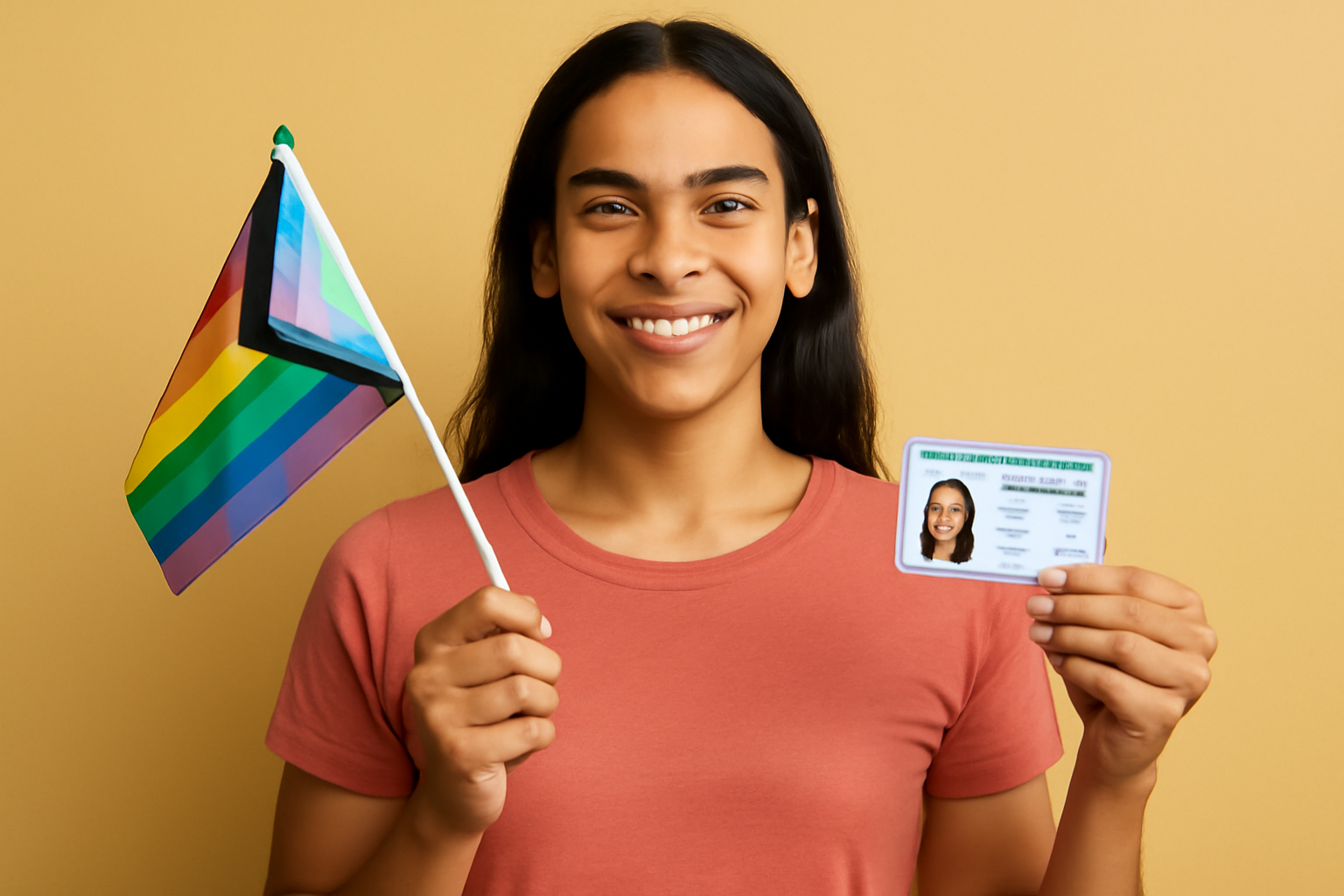
Over recent years, several states across America have really stepped up, making it a lot easier and more straightforward process-wise, allowing transgender folks update their personal documents so they truly reflect their gender identity. This wave toward equality and understanding plays a huge role in supporting and respecting transgender individuals, who often hit roadblocks when their official paperwork doesn't match their true selves.
In days gone by, changing your gender marker on things like birth certificates, driver's licenses, and passports could be a real nightmare. The process was complicated and honestly, pretty demoralizing. Many states would only change your documents if you could prove you'd had gender-affirming surgery or secured a court order. This meant lots couldn't access these changes due simply because they didn't have access or resources.
leading with acceptance: states embracing change
Thankfully, some states have taken a lead with a refreshingly progressive stance, loosening these rules and embracing more inclusive policies. They're trailblazers in advocating transgender rights.
Take California, a shining example in this regard. The state has rolled out policies that allow people update their gender markers on birth certificates without needing surgery, a court order, or any invasive procedure. This change matters—it acknowledges people's autonomy and identity, allowing them live their truth without having medical procedures they don't wish or need.
Meanwhile, New York has also made impressive changes. They've passed laws that simplify how one changes gender markers on important documents, making things a lot easier. Now, transgender residents in New York can navigate day-to-day life without worrying about being mismatched or facing discrimination.
Oregon and Washington are also on board. They've introduced measures allowing people self-attest their gender identity without needing third-party approval. This respect personal agency and also aligns with growing recognition and inclusion non-binary and gender non-conforming identities.
why accurate documentation matters
Having documents that match your gender identity isn't just about red tape; it plays a huge role in affirming your social and personal identity. For trans people, mismatched documents can lead discrimination in places like work, housing, and healthcare. On top that, if your documents don't reflect who you are, it can open you up harassment or worse both within communities and across different institutions.
By smoothing out how you can update gender markers, these states are not only validating trans identities but actively working break down stigma and systemic barriers that have marginalized this community.
the push towards a national standard
While these state-level efforts are great, there really needs be a nationwide standard making sure all transgender people, no matter where they live, can update their documents easily and respectfully. Advocacy groups point out that universal federal guidelines would eliminate a messy patchwork state laws and create a solid baseline rights and protections.
National standards could also fix differences in documentation policies across various federal bodies, like DMV or Social Security Administration, which right now have all sorts different rules and processes.
Transgender rights advocates are still pushing hard comprehensive reforms that include all aspects legal recognition. Building a more inclusive legal framework could help America uphold human rights all its citizens, regardless gender identity.
The strides being made in these progressive states are a beacon, lighting a path others can follow. As society becomes more aware importance gender identity recognition, it's vital that our legal systems grow and evolve with that understanding. The fight full equality continues, but these powerful steps mark key milestones in advancing transgender rights.
Related Posts
Supreme Court to Address State Bans on Trans Women in Female Sports
The upcoming U.S. Supreme Court term promises to be a pivotal moment for transgender rights, as the nation's highest court has agreed to evaluate whether states have the authority to prohibit transgender women from participating in female sports competitions. This case, scheduled to be argued in the next term beginning October, is expected to have a significant impact on the future of sports inclu [...]
Megan Rapinoe and Sue Bird Announce Amicable Separation After Ten Years Together
In a heartfelt announcement that resonated deeply within the sports and LGBTQ+ communities, soccer star Megan Rapinoe and basketball legend Sue Bird have revealed their decision to part ways after nearly a decade together. The couple, who have been icons both on and off the field, shared the news with their fans through a joint statement on social media, expressing that the choice was made with mu [...]
Groundbreaking Ruling Ends Sodomy Ban for Police and Military in the Dominican Republic
The Constitutional Court of the Dominican Republic recently delivered a landmark decision on November 18th, ruling that the nation’s police and armed forces are not permitted to criminalize consensual same-sex relations among their personnel. This pivotal ruling is a significant stride towards equality and the protection of LGBTQ+ rights within these institutions. A Resounding Victory for Equal [...]