
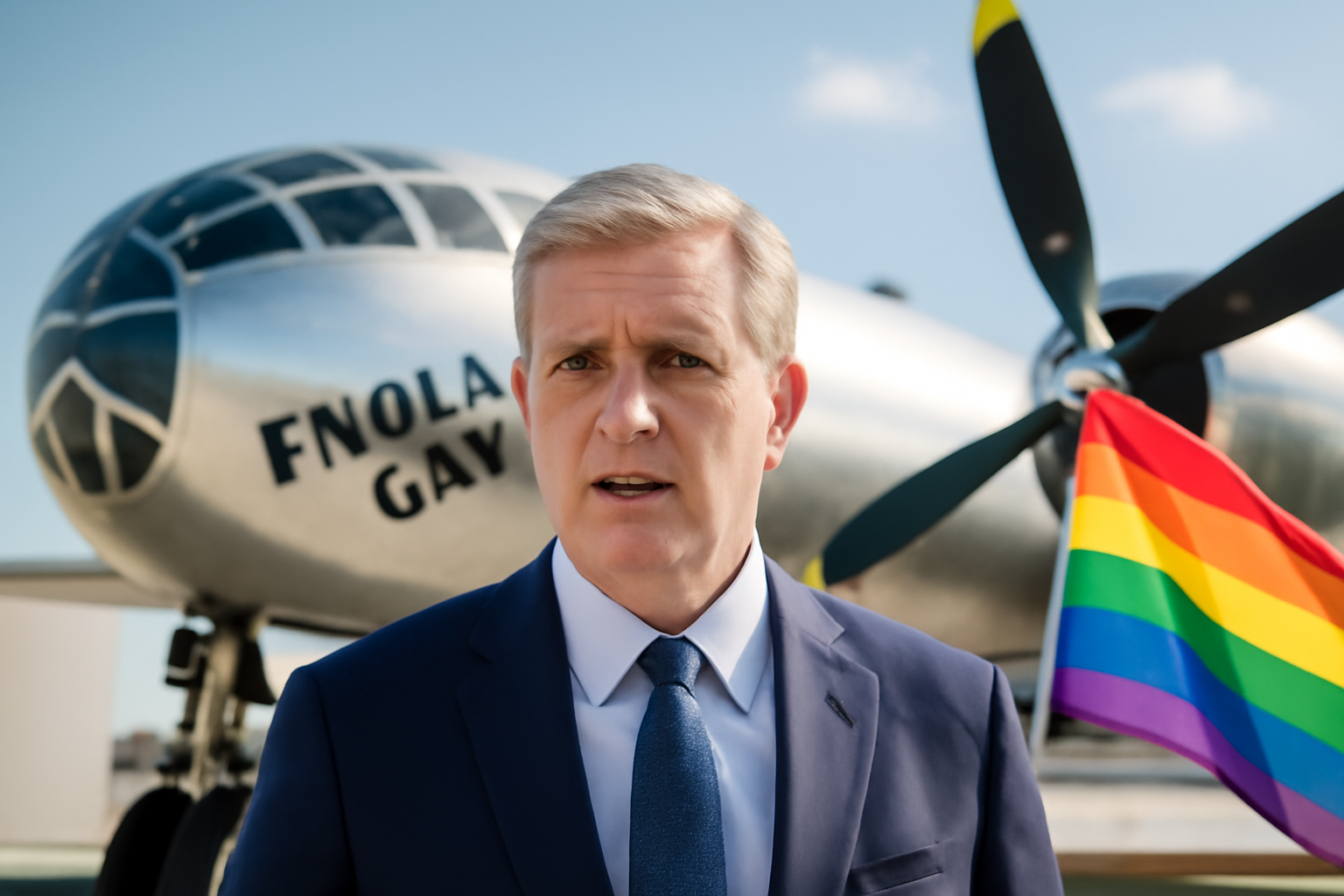
Recent changes in policy by The Department Of Defense (DOD), especially those affecting Diversity, Equity, and Inclusion (DEI) efforts, have stirred quite a conversation. One notable incident revolves around Enola Gay, that famous aircraft linked with dropping an atomic bomb on Hiroshima, bringing these policy shifts under a spotlight. What does it mean if we start altering how we view these parts history? Let me break it down.
Why context matters in DEI initiatives
Diversity, Equity, and Inclusion programs have been key in creating more welcoming spaces in government and military settings. These efforts ensure everyone, no matter their background, gets a fair shot. But cutting back on these initiatives might lead us somewhere we don't want it, with consequences we haven't fully mapped out yet.
The Enola Gay debate: What's at stake
There has been a heated debate about censoring information related Enola Gay and what it represents in history. It stands as a symbol from a complicated time, and tinkering with its story could mean missing out on its full significance.
When we start censoring historical artifacts and narratives, we risk creating a skewed version our past, potentially robbing future generations learning moments that could shape better decision-making now and ahead.
How DEI changes affect history and minority voices
Scaling back on DEI efforts runs a higher risk ignoring or misrepresenting some historical narratives. This particularly harms minority communities, whose stories often get sidelined. Including these diverse perspectives gives us a richer, fuller picture our collective past.
Preserving our cultural heritage
Besides historical narratives, cultural heritage stands as another area that might face threats. Artifacts, monuments, and records embodying diverse traditions are vital parts our shared cultural tapestry. Cutting DEI programs could lead their oversight, and that would be a real loss.
Cultural and historical elements at risk
Let's not just focus on Enola Gay; there are broader cultural and historical treasures at stake with these policy changes:
- The rich military histories minority groups, including notable contributions from LGBTQ+ members.
- Shining a light on key roles women and minority figures played in history.
- Preserving and telling stories from marginalized communities.
- Offering educational programs that teach history in its fullest, most inclusive form.
- Honoring and remembering sacrifices made by diverse groups in military contexts.
The call: Let history be inclusive
If we want history serve as a tool education and unity, DEI initiatives must be supported and expanded. These programs not only champion inclusivity, but they also deepen our understanding history and culture.
Supporters DEI efforts believe embracing diversity enriches historical storytelling and respects contributions everyone. So, there are stronger calls policymakers rethink any moves that could threaten these ideals and push forward more inclusive practices.
In wrapping up, as we consider these policy shifts and their ripple effects, it's key stay alert in protecting our historical and cultural narratives' integrity. Embracing diversity isn't just morally right; it's needed paint a vibrant and accurate picture our past and present.
Related Posts
Supreme Court to Address State Bans on Trans Women in Female Sports
The upcoming U.S. Supreme Court term promises to be a pivotal moment for transgender rights, as the nation's highest court has agreed to evaluate whether states have the authority to prohibit transgender women from participating in female sports competitions. This case, scheduled to be argued in the next term beginning October, is expected to have a significant impact on the future of sports inclu [...]
Megan Rapinoe and Sue Bird Announce Amicable Separation After Ten Years Together
In a heartfelt announcement that resonated deeply within the sports and LGBTQ+ communities, soccer star Megan Rapinoe and basketball legend Sue Bird have revealed their decision to part ways after nearly a decade together. The couple, who have been icons both on and off the field, shared the news with their fans through a joint statement on social media, expressing that the choice was made with mu [...]
Groundbreaking Ruling Ends Sodomy Ban for Police and Military in the Dominican Republic
The Constitutional Court of the Dominican Republic recently delivered a landmark decision on November 18th, ruling that the nation’s police and armed forces are not permitted to criminalize consensual same-sex relations among their personnel. This pivotal ruling is a significant stride towards equality and the protection of LGBTQ+ rights within these institutions. A Resounding Victory for Equal [...]