
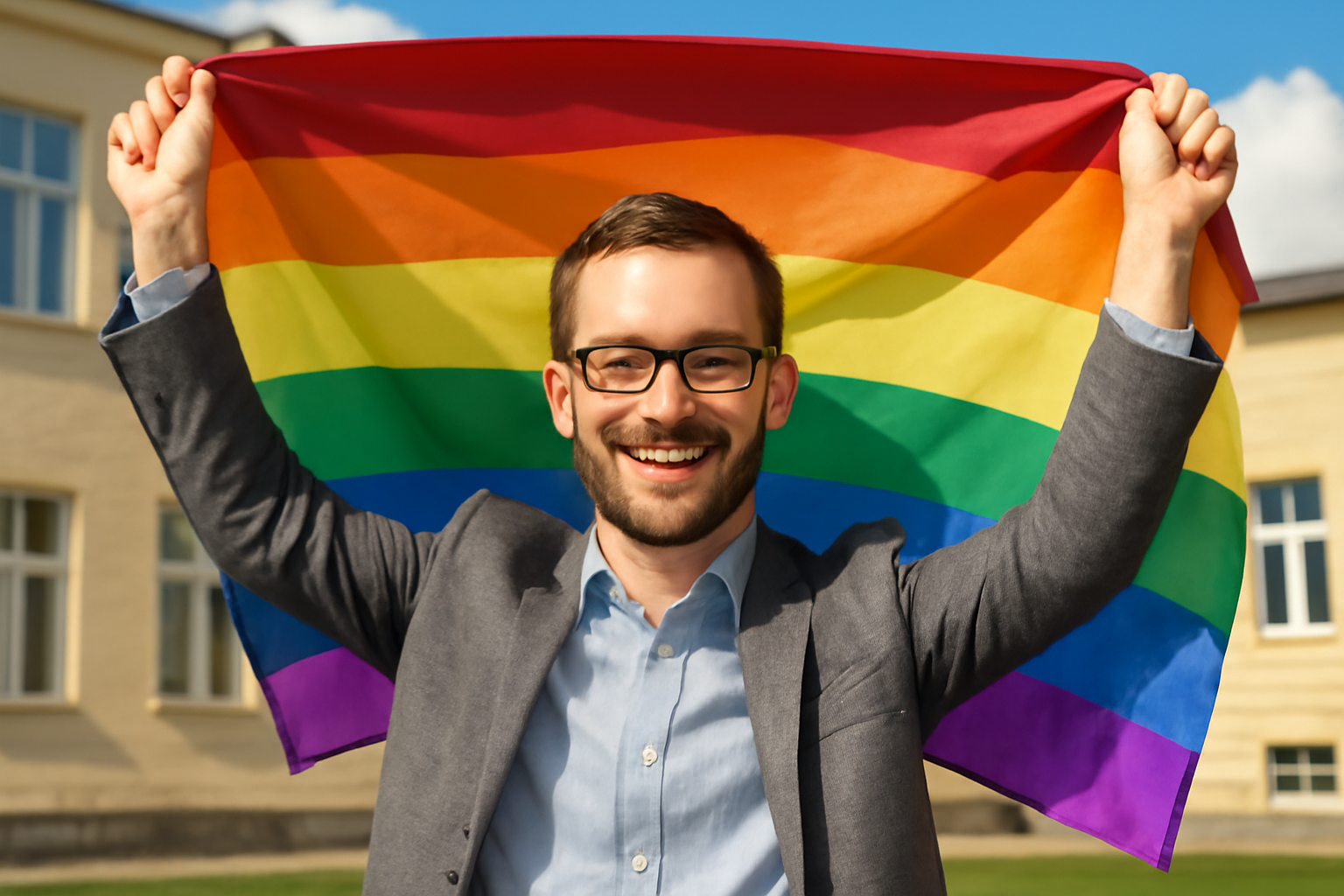
In a remarkable win not only locally but also globally, Poland has taken a significant step forward in LGBTQ+ rights by shutting down its last "LGBT-free" zone. This shift away from a decade-long endorsement by Poland's far-right Law and Justice Party signals a new era. These so-called "LGBT-free" zones had unfortunately shut out LGBTQ+ people and their supporters, particularly affecting schools and educational settings.
The journey towards ending "LGBT-free" zones
Łancut, a town nestled in southeastern Poland, has become a symbol by being last in line but putting an end, once and forever, on its "LGBT-free" status. This change comes after relentless pressure from both human rights organizations and from none other than its own continental neighbor, Europe. The EU wasn't shy about criticizing these zones, calling them out as discriminatory and clearly against what they stand — core EU values. Back in 2022, Poland's Supreme Administrative Court made headlines with a historic ruling: they called these zones unconstitutional, stating that these laws were an insult and invasion on LGBTQ+ citizens' dignity and privacy.
The court emphasized loud and clear that equality isn't a fancy word — it's a necessity, a backbone that protects minority groups. Saying that everyone, without exception, deserves equal protection under law shook things up. What followed was a domino effect, with similar resolutions scrapped across Poland, Łancut being just one chapter in that nationwide rewrite.
How people are reacting, in Poland and abroad
The lifting away from these zones has been seen as a win, a beacon moment, if you will, not just about democracy but basic human rights. Activist Jakub Gawron, who started tracking these resolutions with his Atlas Of Hate project, pointed out how it opened up educational moments among local councilors who may have once been blindsided by propaganda.
On a larger scale, Europe was vocal, with leaders speaking out in unison against these zones. The European Commission warned Poland, loud and clear, about how these declarations were but a thumb in its laws' eyes — specifically, Article 2 that speaks on human dignity and rights. They even hinted at financial sanctions, threatening funding cuts on projects Poland could not ignore, like infrastructure and environmental projects.
Comparisons were drawn — this wasn't just about today's discrimination but eerily similar reminders about terrible pasts like WWII's "Jew-free" zones. European Commission President Ursula von der Leyen didn't mince words, calling these zones "humanity-free." Her stance was mirrored by Joe Biden, then a U.S. presidential candidate, who wasn't shy either, calling out these actions, reasserting that "LGBTQ+ rights are human rights." His words didn't just get noticed — they lit up a fire, showing global solidarity with Poland's own LGBTQ+ community.
Tough challenges across Europe
With Poland's last "LGBT-free" zone now a thing in its past, Europe continues facing its own widespread struggles against anti-LGBTQ+ measures. While Poland discovers renewed freedoms, others, like Hungary, are rising with troubling anti-LGBTQ+ laws. These laws, some banning LGBTQ+ content and educational materials, have set Hungary right in EU's crosshair, as it's simply not what Europe stands by.
Looking beyond Europe, Russia isn't loosening up. President Vladimir Putin's recent move only tightened laws against what he terms as "gay propaganda." This all paints a picture that while wins happen, battles aren't over. Europe and beyond still has hurdles in equal rights.
Hopes rise in Poland's changing future
With these zones put behind them, Poland stands at a hopeful crossroads. This change offers renewed hope and a pivotal reminder: when it comes down on fighting and standing up, equality needs champions. Forward-thinking activists and policymakers know this, but also know that ongoing vigilance isn't just important — it's essential.
History shows us that progress always meets resistance. Yet, Poland's stark move from discriminatory norms isn't just bold — it highlights how resilient and determined voices can be when justice and equality work hand-in-hand. The journey towards an inclusive society isn't just a distant dream — Poland's recent strides serve as inspiration, a gentle nudge, perhaps, that others should take on similar challenges.
This isn't just a win within Poland's borders. It's a statement about human rights and equality, mirrored by Europe. By siding with humanity over discrimination, Poland hasn't just made a move — it reaffirms what matters most, not just in Europe but alongside a global community that stands by these values.
Related Posts
Supreme Court to Address State Bans on Trans Women in Female Sports
The upcoming U.S. Supreme Court term promises to be a pivotal moment for transgender rights, as the nation's highest court has agreed to evaluate whether states have the authority to prohibit transgender women from participating in female sports competitions. This case, scheduled to be argued in the next term beginning October, is expected to have a significant impact on the future of sports inclu [...]
Megan Rapinoe and Sue Bird Announce Amicable Separation After Ten Years Together
In a heartfelt announcement that resonated deeply within the sports and LGBTQ+ communities, soccer star Megan Rapinoe and basketball legend Sue Bird have revealed their decision to part ways after nearly a decade together. The couple, who have been icons both on and off the field, shared the news with their fans through a joint statement on social media, expressing that the choice was made with mu [...]
Groundbreaking Ruling Ends Sodomy Ban for Police and Military in the Dominican Republic
The Constitutional Court of the Dominican Republic recently delivered a landmark decision on November 18th, ruling that the nation’s police and armed forces are not permitted to criminalize consensual same-sex relations among their personnel. This pivotal ruling is a significant stride towards equality and the protection of LGBTQ+ rights within these institutions. A Resounding Victory for Equal [...]