
By Dr. Kellan Baker
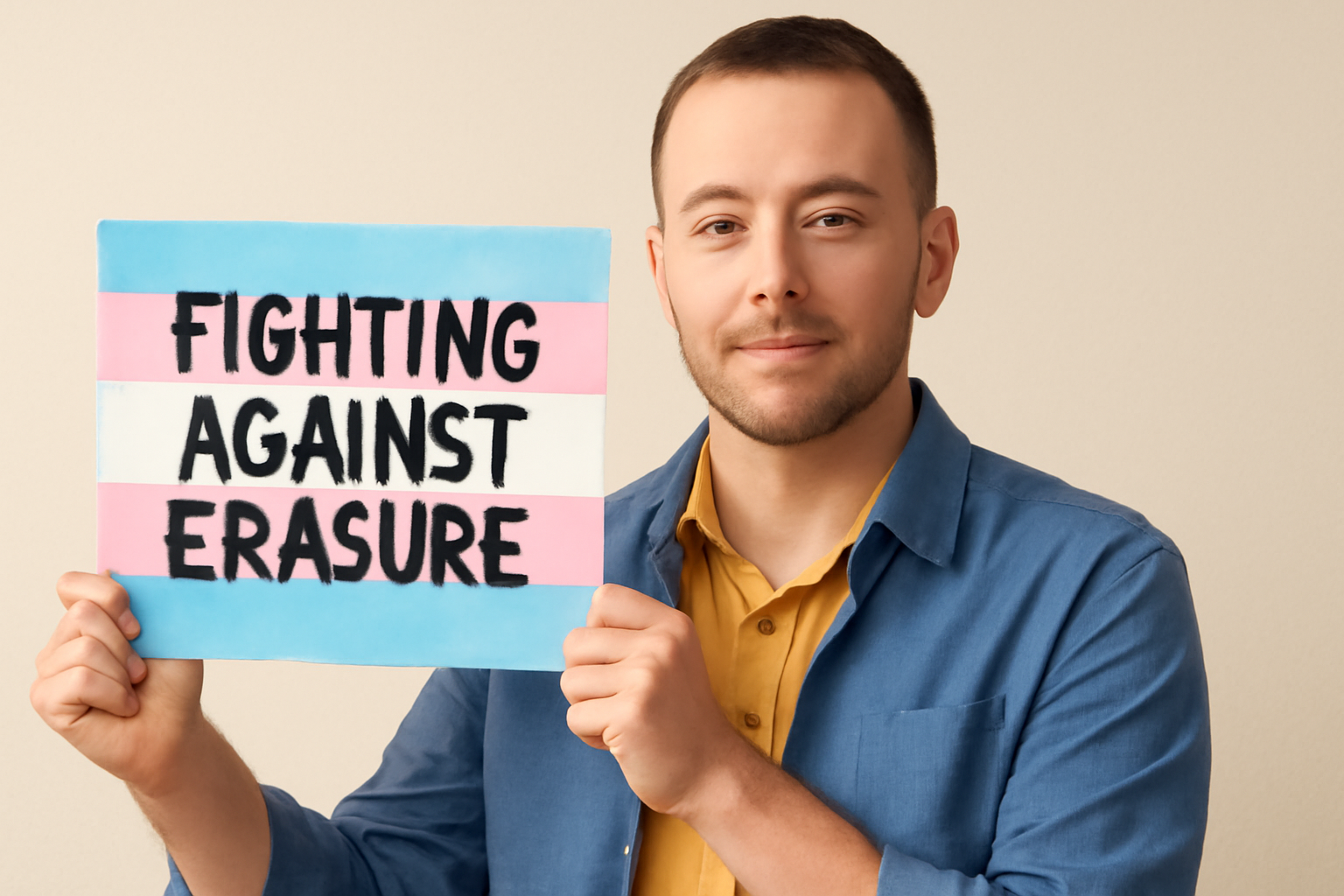
Each year on March 31, we mark Transgender Day Of Visibility (TDOV), a chance since 2009, where we celebrate and honor transgender people worldwide. This year's focus on 'visibility' feels especially significant against a backdrop where political maneuvers threaten our very acknowledgment in society.
Transgender rights under threat: my personal view
Being transgender and a researcher eager about advancing fairness and inclusion in gender-diverse communities, I'm genuinely concerned about today's political climate that works against us. My 16-year journey in advocating healthcare equity and transparency could never have foreseen such a rapid onset by federal authorities aiming at marginalizing transgender folks.
Struggles in healthcare and identity recognition
Recent rules have taken aim at our community by banning us from serving openly in military roles, denying needed medical care, and putting up hurdles in obtaining correct ID documents. These actions aren't just fleeting—they'll haunt many transgender lives long-term. It's unsettling how efforts erode federal research and stats systems meant precisely as reflections on America in all its diversity.
Comprehending and supporting diverse groups depends on thorough data. But when policymakers strip questions about gender identity, sexual orientation, race, or disability from vital surveys, it undercuts that goal massively. By limiting access and silencing related research, they're essentially trying wiping out transgender people's experiences from public consciousness.
What it means: research and data collection
Recently, there has been a noticeable slump in considering transgender experiences within government research. Datasets vanishing and tweaks in surveys like Youth Risk Behavior Surveillance System (YRBSS) expose an agenda dismissive towards gender identity's complexities. A strict two-sex policy denies countless individuals' real stories.
Surveys that once included questions on gender identity, such as those in American Housing Survey and National Health Interview Survey, have abruptly removed them. Branded as 'non-substantial,' these shifts slyly bypass public input, ignoring why gender identity and sexual orientation questions were included initially.
Threats looming over research funding and truth
Worryingly, numerous grants backing inclusive research have been pulled, signaling troubling times. The National Institutes Of Health (NIH) ceased funding projects involving transgender participants, stalling essential scientific inquiries. Such moves force prominent health experts out, leading staff layoffs and leaving participants without vital assistance.
At Whitman-Walker's Institute For Health Research & Policy, we've seen seven studies cut, losing over $3 million. A key project with George Washington University was probing structural racism and LGBTQ health disparities. These actions highlight how this administration overlooks research tackling health inequities affecting transgender people.
Standing strong: advocacy and resilience in transgender visibility
Despite federal-level suppression, non-profits are fiercely defending inclusive data. Initiatives like Data Rescue Project or data hubs like Data Lumos keep once-public datasets alive. Surveys such as U.S. Trans Survey and California Health Interview Survey (CHIS) offer critical insights, supported by committed groups ensuring these resources endure. Yet, funding threats remain constant challenges in advocacy efforts.
Branding our community's erasure 'non-substantial' offends intelligence and directly insults transgender individuals everywhere. Every human deserves acknowledgment and a narrative say. Transgender people have always been integral here, and despite what's thrown at us, we stand—proud, authentic, and undeniably visible.
Dr. Kellan Baker serves as Executive Director at Whitman-Walker's Institute For Health Research & Policy.
Related Posts
Supreme Court to Address State Bans on Trans Women in Female Sports
The upcoming U.S. Supreme Court term promises to be a pivotal moment for transgender rights, as the nation's highest court has agreed to evaluate whether states have the authority to prohibit transgender women from participating in female sports competitions. This case, scheduled to be argued in the next term beginning October, is expected to have a significant impact on the future of sports inclu [...]
Megan Rapinoe and Sue Bird Announce Amicable Separation After Ten Years Together
In a heartfelt announcement that resonated deeply within the sports and LGBTQ+ communities, soccer star Megan Rapinoe and basketball legend Sue Bird have revealed their decision to part ways after nearly a decade together. The couple, who have been icons both on and off the field, shared the news with their fans through a joint statement on social media, expressing that the choice was made with mu [...]
Groundbreaking Ruling Ends Sodomy Ban for Police and Military in the Dominican Republic
The Constitutional Court of the Dominican Republic recently delivered a landmark decision on November 18th, ruling that the nation’s police and armed forces are not permitted to criminalize consensual same-sex relations among their personnel. This pivotal ruling is a significant stride towards equality and the protection of LGBTQ+ rights within these institutions. A Resounding Victory for Equal [...]