
Fostering respect and inclusion
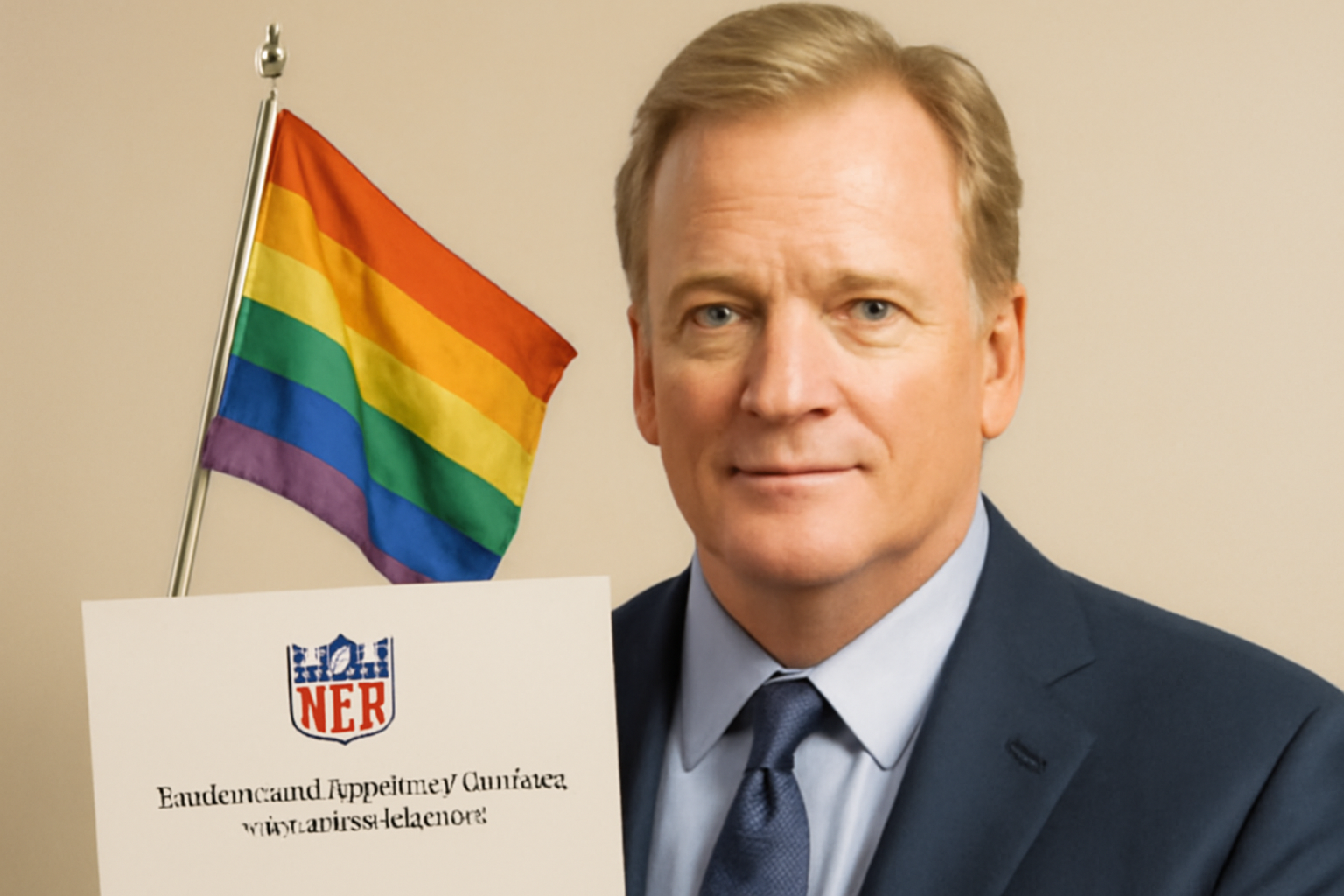
In 2013, this pivotal memo made its rounds among all 32 NFL teams. The core message? Everyone deserved respect, and discrimination wouldn't be tolerated. The league aimed high, hoping every NFL team would echo these sentiments and create a supportive environment where everyone could thrive without fear. A standout part was its focus on harassment, clearly mapping out what wouldn't fly. This included unwanted physical contact, inappropriate jokes about someone else being LGBTQ+, and lewd material at work. These clear guidelines were all about building a work environment where respect was king.What behaviors are off-limits
The NFL took a strong stand on harassment, spelling it out clearly. Unwanted touching or invading someone else's personal space? Absolutely not. Joking or making comments that target someone's sexual orientation, like inappropriate gifts or entertainment? A big no. Any hostile or demeaning language regarding sexual orientation was not allowed, and neither was sharing any kind porngraphic or suggestive material, whether it's a physical copy or online.Fair interview and hiring practices
After hearing about players being asked inappropriate questions about their sexuality at NFL Combine events, it was clear that something had to change. So, new guidelines were rolled out, reminding coaches and General Managers that players' sexual orientations were off-limits in interviews. Questions like "Do you like women or men?" or "Do you have a girlfriend?" should not be part and parcel in any decision-making regarding hiring. The memo wasn't just about tolerance; it was about full-blown acceptance. In fact, NFL spokesman Greg Aiello made it clear that mere tolerance wasn't enough anymore, a sentiment echoed in Goodell's commitment toward inclusion.Moving inclusivity forward in sports
This memo was a game-changer, setting a benchmark in professional sports. The NFL wasn't just talking about creating a welcoming environment—they put it in writing and set a stellar example. They were leading from upfront, and it was about time others followed suit. Beyond just NFL turf, its message was a wake-up call about how important it remains still, everywhere, that we create inclusive spaces. Though years have passed since 2013, its principles remind us that acceptance and respect aren't merely important—they're essential. By tackling discriminatory practices head-on, NFL acted as a trailblazer, showing other leagues how it's done. This isn't just about a better workplace. It also enriches sports culture, building unity and fostering respect among players, staff, and fans. This effort not only benefits LGBTQ+ individuals but enhances sports, making it a community where everyone feels they belong.Related Posts
Supreme Court to Address State Bans on Trans Women in Female Sports
The upcoming U.S. Supreme Court term promises to be a pivotal moment for transgender rights, as the nation's highest court has agreed to evaluate whether states have the authority to prohibit transgender women from participating in female sports competitions. This case, scheduled to be argued in the next term beginning October, is expected to have a significant impact on the future of sports inclu [...]
Megan Rapinoe and Sue Bird Announce Amicable Separation After Ten Years Together
In a heartfelt announcement that resonated deeply within the sports and LGBTQ+ communities, soccer star Megan Rapinoe and basketball legend Sue Bird have revealed their decision to part ways after nearly a decade together. The couple, who have been icons both on and off the field, shared the news with their fans through a joint statement on social media, expressing that the choice was made with mu [...]
Groundbreaking Ruling Ends Sodomy Ban for Police and Military in the Dominican Republic
The Constitutional Court of the Dominican Republic recently delivered a landmark decision on November 18th, ruling that the nation’s police and armed forces are not permitted to criminalize consensual same-sex relations among their personnel. This pivotal ruling is a significant stride towards equality and the protection of LGBTQ+ rights within these institutions. A Resounding Victory for Equal [...]