
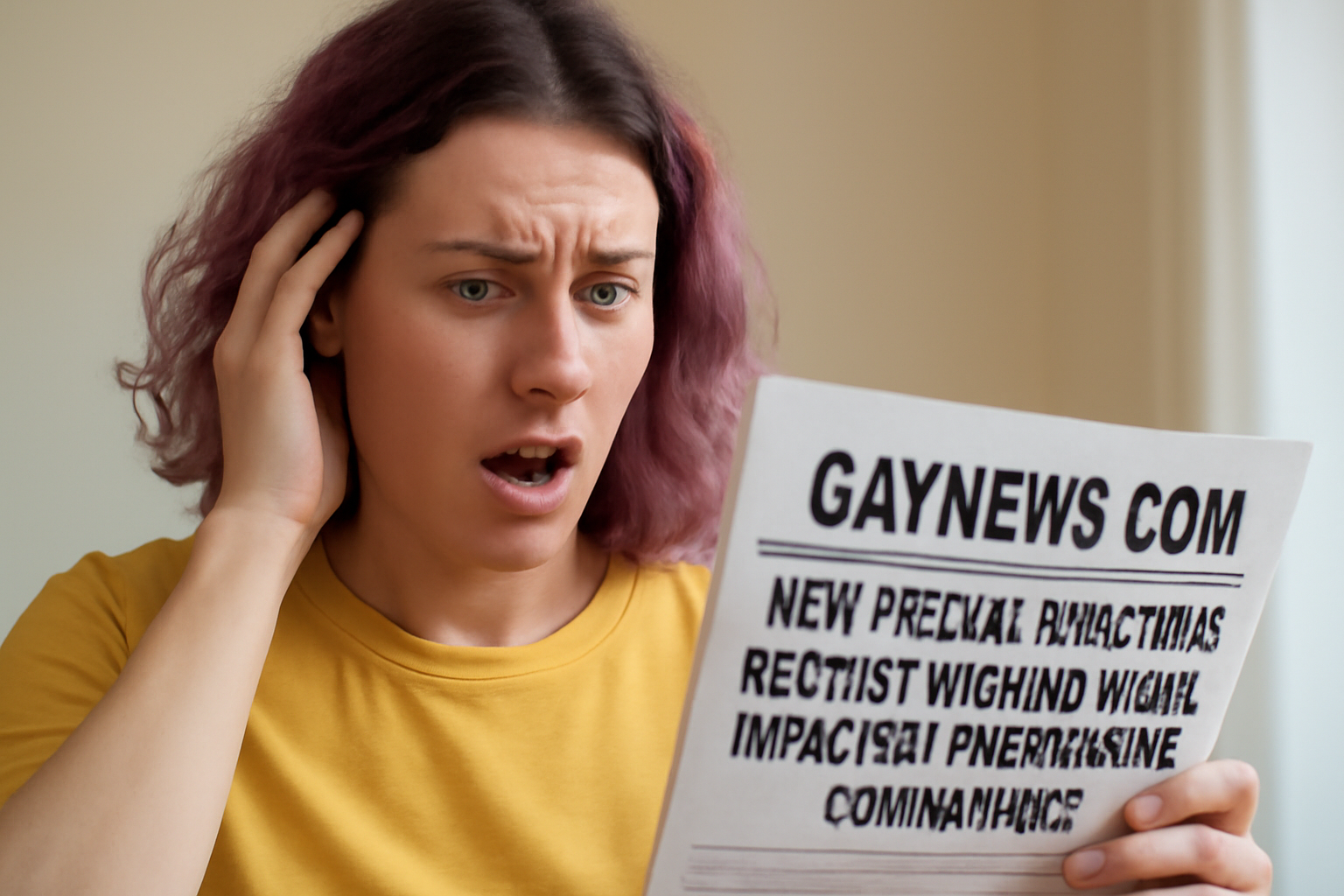
Making sense: What does this new federal policy mean?
The latest federal guidelines have stirred up quite a bit among LGBTQ+ folks, especially those who are transgender. A new rule now restricts using gender pronouns in official emails, which has sparked outrage from advocacy groups and human rights organizations. They're saying this move further sidelines transgender people and chips away at their rights.
What's in this pronoun restriction policy?
So, here's what this policy means. It's been rolled out by federal leaders, and it sets a new standard: no more gender pronouns in official emails. That means federal employees can't use "he," "she," "they," or any other gendered language in their messages. The officials claim this aims at uniformity and sidesteps assumptions about people's gender identities. But critics argue it's like erasing transgender and non-binary identities by not acknowledging their preferred pronouns.
How does this affect transgender and non-binary folks?
Imagine having your identity recognized by your chosen pronouns—it's a huge part. But in official settings, this policy takes that away, leaving many feeling invalidated and erased while adding onto their existing challenges. It's seen as a setback in their fight towards acknowledgment and equality. There's a fear it might encourage other organizations down a similar path, pushing these communities further out.
Transgender people already face so many hurdles. Reports from LGBTQ+ groups underline that misgendering leads straight down a road marked discrimination and exclusion. With this no-pronoun rule, those challenges might only get worse, making work environments feel even less welcoming.
The backlash from advocacy groups
LGBTQ+ advocacy groups aren't holding back. They're labeling this policy as a step in reverse, undoing years' worth strides toward equality. They stress that using someone's chosen pronouns isn't just a courtesy—it's fundamental human respect and dignity. Calling it institutional discrimination, they're worried about its wider impacts on transgender people's mental health and well-being.
These groups are pushing hard on federal leaders, demanding a reassessment and a real conversation with transgender voices at that table. They believe inclusive policies that celebrate gender diversity could lead us closer toward a society accepting and equal.
What kind Of message does this send?
This policy brings up essential questions on how language reflects and respects identities. Language shapes how we express ourselves and recognize others. Policies that lock down language can deepen stigmas and prop up structural inequalities.
There might also be some legal trouble brewing. Some think this policy could clash with anti-discrimination laws, sparking court battles. And don't forget how this looks on a global stage—it might impact how committed our country seems toward human rights and equality.
What's Next? Advocates' vision forward
This whole situation shines a harsh light on what transgender and non-binary individuals still fight against. As understanding grows around diverse gender identities, it feels urgent that policies should match that growth—respecting and affirming who people truly are.
Transgender rights advocates are ringing alarm bells, calling allies and activists alike. They want policies infused with inclusivity and respect. They're urging everyone against discriminatory practices and championing rights, ensuring trans folks receive acknowledgment and respect everywhere.
Even if this policy feels like a backward step, look at how advocacy groups and allies respond. It's a testament—a testament showing LGBTQ+ resilience and determination as they march on toward justice and equality.
Conclusion: Paving a path toward inclusivity
To sum it all up, this new federal rule restricting pronoun use in emails poses serious challenges folks in transgender and non-binary communities but touches broader LGBTQ+ circles too. The widespread backlash only underscores that—highlighting why continued advocacy remains critical, advocating dialogue toward nurturing inclusive and respectful practices everywhere.
How does this affect transgender and non-binary folks?
Imagine having your identity recognized by your chosen pronouns—it's a huge part. But in official settings, this policy takes that away, leaving many feeling invalidated and erased while adding onto their existing challenges. It's seen as a setback in their fight towards acknowledgment and equality. There's a fear it might encourage other organizations down a similar path, pushing these communities further out.
Transgender people already face so many hurdles. Reports from LGBTQ+ groups underline that misgendering leads straight down a road marked discrimination and exclusion. With this no-pronoun rule, those challenges might only get worse, making work environments feel even less welcoming.
The backlash from advocacy groups
LGBTQ+ advocacy groups aren't holding back. They're labeling this policy as a step in reverse, undoing years' worth strides toward equality. They stress that using someone's chosen pronouns isn't just a courtesy—it's fundamental human respect and dignity. Calling it institutional discrimination, they're worried about its wider impacts on transgender people's mental health and well-being.
These groups are pushing hard on federal leaders, demanding a reassessment and a real conversation with transgender voices at that table. They believe inclusive policies that celebrate gender diversity could lead us closer toward a society accepting and equal.
What kind Of message does this send?
This policy brings up essential questions on how language reflects and respects identities. Language shapes how we express ourselves and recognize others. Policies that lock down language can deepen stigmas and prop up structural inequalities.
There might also be some legal trouble brewing. Some think this policy could clash with anti-discrimination laws, sparking court battles. And don't forget how this looks on a global stage—it might impact how committed our country seems toward human rights and equality.
What's Next? Advocates' vision forward
This whole situation shines a harsh light on what transgender and non-binary individuals still fight against. As understanding grows around diverse gender identities, it feels urgent that policies should match that growth—respecting and affirming who people truly are.
Transgender rights advocates are ringing alarm bells, calling allies and activists alike. They want policies infused with inclusivity and respect. They're urging everyone against discriminatory practices and championing rights, ensuring trans folks receive acknowledgment and respect everywhere.
Even if this policy feels like a backward step, look at how advocacy groups and allies respond. It's a testament—a testament showing LGBTQ+ resilience and determination as they march on toward justice and equality.
Conclusion: Paving a path toward inclusivity
To sum it all up, this new federal rule restricting pronoun use in emails poses serious challenges folks in transgender and non-binary communities but touches broader LGBTQ+ circles too. The widespread backlash only underscores that—highlighting why continued advocacy remains critical, advocating dialogue toward nurturing inclusive and respectful practices everywhere.
What kind Of message does this send?
This policy brings up essential questions on how language reflects and respects identities. Language shapes how we express ourselves and recognize others. Policies that lock down language can deepen stigmas and prop up structural inequalities.
There might also be some legal trouble brewing. Some think this policy could clash with anti-discrimination laws, sparking court battles. And don't forget how this looks on a global stage—it might impact how committed our country seems toward human rights and equality.
What's Next? Advocates' vision forward
This whole situation shines a harsh light on what transgender and non-binary individuals still fight against. As understanding grows around diverse gender identities, it feels urgent that policies should match that growth—respecting and affirming who people truly are.
Transgender rights advocates are ringing alarm bells, calling allies and activists alike. They want policies infused with inclusivity and respect. They're urging everyone against discriminatory practices and championing rights, ensuring trans folks receive acknowledgment and respect everywhere.
Even if this policy feels like a backward step, look at how advocacy groups and allies respond. It's a testament—a testament showing LGBTQ+ resilience and determination as they march on toward justice and equality.
Conclusion: Paving a path toward inclusivity
To sum it all up, this new federal rule restricting pronoun use in emails poses serious challenges folks in transgender and non-binary communities but touches broader LGBTQ+ circles too. The widespread backlash only underscores that—highlighting why continued advocacy remains critical, advocating dialogue toward nurturing inclusive and respectful practices everywhere.
Conclusion: Paving a path toward inclusivity To sum it all up, this new federal rule restricting pronoun use in emails poses serious challenges folks in transgender and non-binary communities but touches broader LGBTQ+ circles too. The widespread backlash only underscores that—highlighting why continued advocacy remains critical, advocating dialogue toward nurturing inclusive and respectful practices everywhere.
Related Posts
Supreme Court to Address State Bans on Trans Women in Female Sports
The upcoming U.S. Supreme Court term promises to be a pivotal moment for transgender rights, as the nation's highest court has agreed to evaluate whether states have the authority to prohibit transgender women from participating in female sports competitions. This case, scheduled to be argued in the next term beginning October, is expected to have a significant impact on the future of sports inclu [...]
Megan Rapinoe and Sue Bird Announce Amicable Separation After Ten Years Together
In a heartfelt announcement that resonated deeply within the sports and LGBTQ+ communities, soccer star Megan Rapinoe and basketball legend Sue Bird have revealed their decision to part ways after nearly a decade together. The couple, who have been icons both on and off the field, shared the news with their fans through a joint statement on social media, expressing that the choice was made with mu [...]
Groundbreaking Ruling Ends Sodomy Ban for Police and Military in the Dominican Republic
The Constitutional Court of the Dominican Republic recently delivered a landmark decision on November 18th, ruling that the nation’s police and armed forces are not permitted to criminalize consensual same-sex relations among their personnel. This pivotal ruling is a significant stride towards equality and the protection of LGBTQ+ rights within these institutions. A Resounding Victory for Equal [...]