
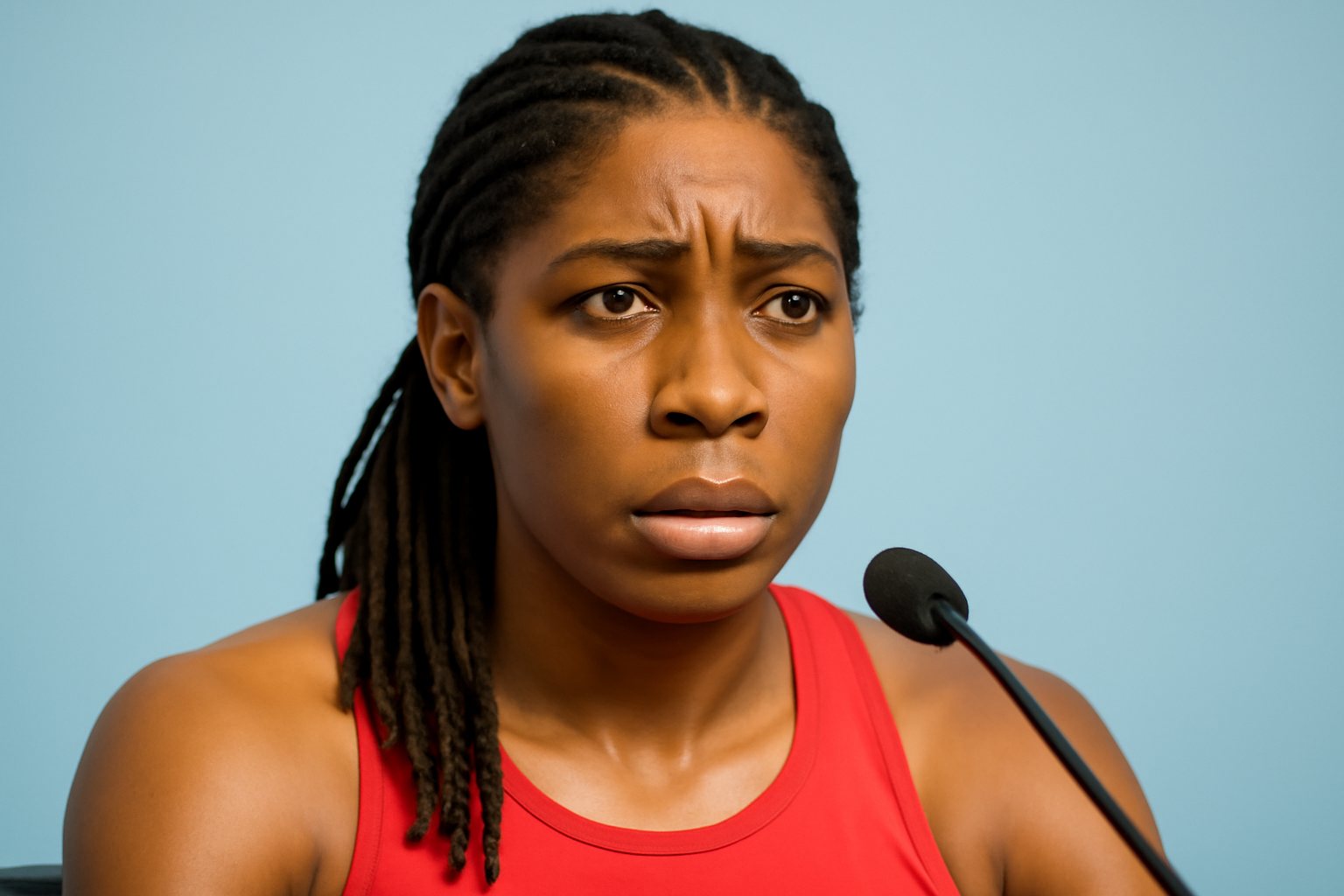
New sex testing policies in women's athletics spark heated debate
World Athletics, which governs track and field sports worldwide, recently shared some eye-opening findings: since 2000, up as many as 60 athletes in women-only elite track and field finals may not pass a newly enforced sex test. Dr. Stéphane Bermon, who leads World Athletics' health and science division, revealed these insights at a scientific panel in Tokyo.
According, Dr. Bermon, from 2000 through 2023, 135 finalists with differences in sex development have participated in top-tier competitions, often in multiple finals. He noted that these athletes seem "disproportionately represented" in key finals, raising concerns about "compromise" and "integrity" in female competitions.
Mandatory sex testing: protection or restriction?
Earlier this year, World Athletics mandated sex testing. Any woman competing in women's categories must take this test, though it only happens once in an athlete's lifetime. The test looks at an athlete's SRY gene, which World Athletics believes offers a reliable measure in determining biological sex. It's all about checking if there's a Y chromosome, which suggests male puberty or a sex development difference, potentially creating a "testosterone advantage."
Sebastian Coe, President at World Athletics, stresses preserving "the integrity" in women's sports. He aims, he says, "to engage more women and offer them a space where they can thrive without facing a ‘biological glass ceiling.'" Coe argues that, at an elite competition, athletes must be "biologically female," adding that gender identity shouldn't override biological sex.
Punchback and criticism over sex-testing policies
These new policies have stirred up a storm. Critics argue that testing invades athletes' privacy, taking aim primarily at transgender, intersex, and gender non-conforming athletes. InterACT, a group pressing on behalf intersex youth, has deemed these policies "discriminatory," claiming they deny rightful access by athletes.
As one interACT spokesperson put it, these tests "coerce women, often by stripping away privacy concerning personal genetic information, as sporting bodies decide if they're ‘woman enough'." This mindset, they argue, isn't really about fairness but rather about controlling women's bodies and sticking everyone in a narrow box.
The impact on affected athletes
Reports suggest sex testing has led some athletes, especially transgender, gender-non-conforming, and intersex women, experiencing harassment and privacy breaches. Many intersex athletes have no idea about their condition until they're tested, at which point they've had sensitive medical information exposed in a humiliating manner.
Throughout history, intersex women suspected with a DSD have been subjected invasive exams, enforced medical interventions, and heavy public scrutiny. Caster Semenya, a middle-distance runner, has faced significant hurdles and health issues, all due her needing regulate hormone levels aligning with regulations.
Professor Andrew Sinclair, who found out about SRY gene, believes using it in testing too "simplistic" and scientifically off-base. He notes that biological sex isn't only about chromosomes—it involves gonads, hormones, and secondary sex characteristics, too. So, just finding an SRY gene doesn't necessarily mean a testis developed or that testosterone present in action.
Sinclair also flagged that SRY tests can easily be contaminated, throwing up false positives. He believes there aren't enough guidelines preventing these errors and calls out World Athletics hasn't considered massive personal fallout resulting from a positive test result beyond simply being barred from sports.
Despite advising against using SRY testing at 2000 Sydney Olympics, Sinclair says he's "shocked" at renewed attempts use it. Considering complications, he doesn't support using SRY as a basis excluding women athletes.
Navigating fairness and inclusion in sports
There's no denying this issue raises profound questions about fairness, privacy, and diversity in sports. Finding a path that upholds female competitions while respecting everyone involved isn't easy.
Where do you stand on this thorny issue? Share your thoughts below—but remember, let's keep our conversation civil and respectful!
Related Posts
Supreme Court to Address State Bans on Trans Women in Female Sports
The upcoming U.S. Supreme Court term promises to be a pivotal moment for transgender rights, as the nation's highest court has agreed to evaluate whether states have the authority to prohibit transgender women from participating in female sports competitions. This case, scheduled to be argued in the next term beginning October, is expected to have a significant impact on the future of sports inclu [...]
Megan Rapinoe and Sue Bird Announce Amicable Separation After Ten Years Together
In a heartfelt announcement that resonated deeply within the sports and LGBTQ+ communities, soccer star Megan Rapinoe and basketball legend Sue Bird have revealed their decision to part ways after nearly a decade together. The couple, who have been icons both on and off the field, shared the news with their fans through a joint statement on social media, expressing that the choice was made with mu [...]
Groundbreaking Ruling Ends Sodomy Ban for Police and Military in the Dominican Republic
The Constitutional Court of the Dominican Republic recently delivered a landmark decision on November 18th, ruling that the nation’s police and armed forces are not permitted to criminalize consensual same-sex relations among their personnel. This pivotal ruling is a significant stride towards equality and the protection of LGBTQ+ rights within these institutions. A Resounding Victory for Equal [...]